Languages
Tuesday, October 20, 2026



News and Views from the Global South
Drought

A Hotter World Is a Hungry World
Food prices will soar and hundreds of millions will starve without urgent action to make major cuts in fossil fuel emissions. That is what is at stake here on the last day of the U.N. climate talks known as COP 18, scientists and activists say.
Extreme Weather Hits the Poor First – and Hardest
The old adage ‘nature is the great equaliser’ no longer holds true in countries like Sri Lanka, where the poor bear the brunt of extreme weather events.
Donors Must Seize 2013 Opportunity in Sahel, U.N. Urges
Reporting that the worst of the food crisis in the Sahel region of Africa appears to have been averted, the United Nations’ top official on the area, David Gressley, warned on Wednesday that the potential passing of the immediate emergency should not divert international attention from what needs to be done in 2013, which he calls a critical year for building resilience in the region.
International Food Prices Again at Record Levels, World Bank Warns
After decreasing somewhat in recent months, international food prices have again risen dramatically, according to figures published on Thursday by the World Bank. Statistics for July indicate a 10 percent rise over just the previous month, and a six percent increase over already high prices from the same time frame a year ago.
As Temperatures Rise in Sri Lanka, Drought Wreaks Havoc
It is a time of extreme heat and anxiety in Sri Lanka. Even the rains last week felt like a sudden burst of cold water on the smouldering asbestos sheets on most Sri Lankan household roofs, creating a blast of cold air before the heat returns once the rains end.Drought Dries Up Balkans Harvests
After two months of waiting, people from the central Serbian town Valjevo followed the call of their bishop and went to local Orthodox Church to pray for rain.
Could Water Strife Lead to ‘Mass Killings’ in the Future?
As the world faces possible water scarcities in the next two to three decades, the U.S. intelligence community has already portrayed a grim scenario for the foreseeable future: ethnic conflicts, regional tensions, political instability and even mass killings.
Beating the Weather With Sustainable Crops
Narrow, cobblestoned lanes separate the rows of mud houses with cool interiors and mud-smoothened patios, some with goats tethered to the wooden posts. This is Tajpura village, deep in this water-stressed, drought-prone region of northern India.
U.S. Drought Exposes “Hydro-Illogical” Water Management
The historic drought withering much of the United States this summer has revealed a need for strategies to better manage water supplies that could remain under severe pressure both this year and in the longer term.
Crops Failing as U.S. Simmers in Record Heat Wave
The United States is suffering one of its most severe droughts in decades, leading to both widespread crop failures and increased public concern about the impacts of climate change.
“Famine May Have Ended, But For Us Hunger Has Not”
One-year-old Miriam Jama is a symbol of life in Somalia after the famine. Born just as the United Nations World Food Programme declared famine in this Horn of Africa nation a year ago on Jul. 20, Miriam has known no other life than the one in the Badbaado refugee camp, situated 10 kilometres outside the country’s capital, Mogadishu.
U.N. Warns of Impending Humanitarian Crisis in Somalia
The United Nations has called for sustained aid efforts in Somalia to prevent the war-torn country from experiencing another humanitarian crisis as more than three million people remain in need of urgent aid.
Refugees in South Sudan Facing “Full-blown Humanitarian Crisis”
Within the next nine days, drinking water at refugee camps in South Sudan's Upper Nile state will run dry, warned the aid agency Doctors Without Borders on Tuesday. Meanwhile, refugees continue to stream into the state, as the few camps set up to house to entrants are stretched even further beyond capacity.
Cilantro Spices Up Coexistence with Drought in Brazil
Many grow lettuce, tomatoes, carrots, beets and other vegetables. But cilantro is ever-present in the gardens that are helping rural families weather the lengthy drought that is once again wracking Brazil’s impoverished Northeast.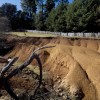
Action Needed Now to Prepare for Severe Drought
Mexico and Central America look like they are covered in dried blood on maps projecting future soil moisture conditions.
Rural Women Are Leading the Way – Will the World Follow? – Part 2
The United Nations’ 56th session of the Commission on the Status of Women (CSW) begins today in New York, with the empowerment of rural women high on a list of priorities for this year.Drought in Sahel Affects Urban Cameroonians
Sala Aminata, a housewife from Logone and Shari Division in Cameroon’s Far North Region, looks at her six kids with apprehension as she tries to figure out how to feed them with her meagre salary.Warming to Ignite the Carbon Bomb
Rising temperatures are drying out northern forests and peatlands, producing bigger and more intense fires. And this will only get much worse as the planet heats up from the use of ever larger amounts of fossil fuels, scientists warned last week at the end of a major science meeting in Vancouver.
Rural Women Are Leading the Way – Will the World Follow? – Part 1
Agriculture currently provides a livelihood for roughly 1.3 billion smallholder farmers and landless workers, of which nearly half – close to 560 million – are women.
COTE D’IVOIRE: Illicit Timber Trade Exposes the North to Drought
Environmental groups in Côte d'Ivoire say the illegal logging and sale of wood from the African gum tree is exposing the north of the country to the encroaching desert. The NGOs are calling on the authorities to take firmer action against the illicit timber traders – who allegedly include government officials.
NIGER: Strained Welcome for 15,000 Malian Refugees
The little village of Chinagoder, on the Niger-Mali border, has become a refugee camp, flooded with Malian families fleeing fighting between their regular army and Tuareg rebels known as the MNLA - the National Movement for the Liberation of Azawad.« Previous Page — Next Page »





The Week with IPS

NEXT STOP - SDGs
Tracking global progress towards a sustainable world
Tracking global progress towards a sustainable world
