Languages
Tuesday, November 10, 2026



News and Views from the Global South
Millennium Development Goals (MDGs)

Q&A: Agriculture Can Lead Poverty Reduction
Agriculture is vital to the economies of West and Central African countries, but poverty remains a reality in the region's rural areas.HEALTH: Namibia Makes Strides in Paediatric HIV
While paediatric HIV remains a growing concern throughout Southern Africa, Namibian doctors have managed to put high numbers of babies on the life-saving antiretroviral (ARV) treatment with the help of an early infant diagnosis (EID) programme based on dry blood sampling.ENVIRONMENT: Rich Nations Vulnerable to Water Disasters
The growing shortage of water - a perennial problem in the world's poorer nations - is expected to eventually reach the rich nations in the Western world.
COSTA RICA: Women Ageing Alone, Easy Prey to Looting
Though América Herrera may not ever know it, she has become the poster child for a growing practice in Costa Rica, which experts define as financial or economic abuse of the elderly.
ECONOMY-ANGOLA: Entrepreneurial Spirit Born Out of Necessity
"Amiga, amiga," the women shout out, "Apples, pears, pineapples..." their cries fading into the beeps and growls of the traffic noise.POVERTY-SWAZILAND: Planning Oversight Halts Food Security Programme
A Food-for-Work programme, which cleverly aims to combat both environmental degradation and food shortages, has come to a halt due to lack of long-term planning.POLITICS: U.N. to Live or Die by Its Policy Ideas
The United Nations has long been described - rather contemptuously - as one of the world's biggest talking shops.
HEALTH-AFRICA: Phoney Choice Between Life and Death
Failure to sustain funding for HIV/AIDS treatment programmes could lead to a rising number of deaths, particularly in Africa.
LESOTHO-WATER: One Dollar Per Square Metre, Now Move
The construction of a two billion dollar dam in Metolong, some 35 kilometres outside of Lesotho’s capital Maseru, is being welcomed by people in and around the city who will gain access to clean and safe drinking water when construction is completed in 2013.
AUSTRALIA: Male Job Losses Rise as Families Count Costs
Despite concerns that female workers would bear the brunt of Australian job losses due to the global economic downturn, employees in the male-dominated manufacturing industry have so far been the hardest hit.HEALTH-AFRICA: Where To Find A Million New Nurses?
If developing countries want to succeed in improving their health systems, they urgently need to decentralise them and shift tasks from doctors to nurses and community health workers, said experts at the Fifth International AIDS Society (IAS) Conference on HIV Pathogenesis, Treatment and Prevention in Cape Town.
Q&A: Sanitation No Longer a Dirty Word in India
In India, many moons ago, nobody dared talk about toilets - a subject that was taboo, particularly at mealtime.
LATIN AMERICA: While Women Pull Double Shift, State Looks the Other Way
Little does it matter if they’re black or white, rich or poor, young or old. Neither does it matter if they work or hold a degree. In Latin America, women bear the brunt of household chores, child-raising and care of the elderly, while the state looks the other way.
HEALTH-AFRICA: Maintain Funding for HIV/AIDS Prevention
Health experts and scientists have accused the world's wealthiest countries of abandoning the goal of universal access to HIV prevention, care and treatment by 2010.Q&A: Burkina Faso Moving Towards Food Security
Burkina Faso was one of several countries that where a rapid rise in food prices led to rioting in the streets in 2008. Policy-makers had sensed a crisis developing, but the country was not able to build up sufficient reserves of imported commodities such as rice, wheat and oil to avoid it. There is now an emphasis on achieving food security.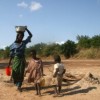
Q&A: Defending Women’s Rights Under New Land Policy
After years of delays, Kenya's cabinet has finally adopted a draft National Land Policy (NLP), which is now awaiting debate in parliament.RIGHTS-UGANDA: Women Press for Domestic Violence Bill
"Man forces wife to breastfeed puppies," screams one headline. "Police boss shoots wife," shouts another; and a third: "Man batters wife over meat". These are typical headlines in Uganda’s newspapers today. Women daily report surviving different forms of violence in their homes: physical, sexual, emotional or even economic abuse.FINANCE: Congress, Activists Push for Conditions on IMF Funding
Development groups and some U.S. lawmakers are urging the administration of U.S. President Barack Obama to use its power on the governing board of the International Monetary Fund (IMF) to make the global financial body more transparent, democratic and responsive to the needs of its poorest borrowers.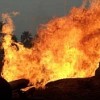
ENVIRONMENT-NIGERIA: Playing With Fire
Nigeria's gas flare-out date has once again been extended - this time to 2011. The decision follows 25 years of political procrastination by the federal government and illegal behaviour on the part of major oil multinationals engaged in flaring associated gas (AG), the byproduct of oil production in the Niger Delta.EDUCATION: Mother Tongue Absent in Thousands of Classrooms
Millions of children across the world fail to receive a basic education not only because they are born into poverty, but because local authorities do not allow them to read and write in their native language at school.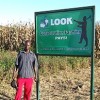
ZAMBIA: Conservation Agriculture Gaining Ground
Not even the least alert of drivers can miss the sign along the busy road 30 kilometres south of Lusaka: "Look, Conservation Farming Pays!"« Previous Page — Next Page »





The Week with IPS

NEXT STOP - SDGs
Tracking global progress towards a sustainable world
Tracking global progress towards a sustainable world
