Languages
Saturday, October 17, 2026



News and Views from the Global South
Millennium Development Goals (MDGs)

The “Secret Treasure” of Food Waste
Twenty-nine-year-old Andrzej W. and his partner lived for almost a year off of food found in the trash bin of the upscale supermarket Piotr i Pawel in Muranow, a neighbourhood near the centre of the Polish capital Warsaw. And they ate in style.
Kenyans Mobilise Against Taxing the Poor
On a side street in Nairobi’s bustling neighbourhood of Shauri Moyo, Faisal Ngila shouts to street vendors, motorbike taxi drivers and pedestrians. “Do you know taxes are increasing in Kenya?” he asks, handing out flyers urging Kenyans to say “no to Unga (maize flour) tax” by dialling a phone number that will register their signature on a petition.
India Goes Bananas Over GM Crops
India’s environmental and food security activists who have so far succeeded in stalling attempts to introduce genetically modified (GM) food crops into this largely farming country now find themselves up against a bill in parliament that could criminalise such opposition.
Q&A: Impact Assessment Key in Rural Development Projects
The Latin American Centre for Rural Development (RIMISP) is promoting a method for assessing strategies, results, reach and impact of IFAD-funded agricultural projects targeting vulnerable groups in the region.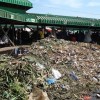
Is the 2030 Goal for Hunger Eradication Realistic?
With less than three years before a 2015 deadline, the developing world is largely expected to miss one of the U.N.'s key Millennium Development Goals (MDGs): halving the number of people living in extreme poverty and hunger.
OP-ED: In South Sudan, Ending Child Marriage Will Require a Comprehensive Approach
Akech B. loved to study and dreamed of becoming a nurse. But when she was 14, her uncle who was raising her forced her to leave school to marry a man Akech described as old and gray-haired. The man paid 75 cows as dowry for Akech. He was already married to another woman with whom he had several children.
Putting Uganda’s Working Kids Back in School
Children around the world may complain about attending school and doing their homework, but not 14-year-old Raya*. For two years she was forced by her illiterate parents to spend every day, rain or shine, selling sugar cane from the family garden to customers on the streets of Entebbe, about 35 km outside the Ugandan capital, Kampala.
‘Happy Prostitutes’ AIDS Campaign Sparks Debate
Happiness, the subject of endless philosophical discussions, has now become the focus of controversy in an HIV/AIDS prevention campaign aimed at prostitutes in Brazil. The campaign chief has been booted out and a further question has been raised: What are the limits of popular participation in the definition of public policies?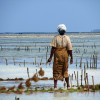
Zanzibar’s Encroaching Ocean Means Less Water
Khadija Komboani’s nearest well is filled with salt water thanks to the rising sea around Tanzania’s Indian Ocean island of Zanzibar.
Globe Less Peaceful Than Five Years Ago – Report
The world - especially the Greater Middle East – has become less peaceful than it was five years ago, according to the 2013 edition of the annual Global Peace Index (GPI) released here Tuesday by the Institute for Economics & Peace (IEP).
Q&A: U.N. Looks to High Seas to Alleviate Food Crisis
The Food and Agriculture Organisation (FAO) is convinced there is sufficient global capacity to produce enough food to adequately feed the world's seven billion people.
Labour Violations Under Tight Wraps in Thailand
Next time you visit Walmart and throw that packet of frozen shrimp in your shopping cart, pause a moment.
OP-ED: Are We at the Tipping Point for Ending Hunger and Malnutrition?
Author Malcolm Gladwell draws on the science of epidemiology in his book "The Tipping Point" to explain how ideas spread through a population, in the same way as an infectious disease can proceed from a few cases to a full-blown pandemic.
When the Train Passes, But Never Arrives
José "Goyo" Hernández has never been given a mask to keep him from breathing in the coal dust blowing off the 13 trains that pass daily through this village in the municipality of Zona Bananera in the northern Colombian department of Magdalena, during his 12-hour shift at the railway crossing.Bishkek Building Boom Sharpens Social Divisions
Glance at the parking lot outside parliament, at the fleet of Lexus SUVs kitted out with chrome, and you might think Bishkek is the capital of a wealthy country. A block down Chui Avenue, a shiny new Range Rover is parked on the sidewalk. Police drive their own BMWs.
The Girl Who Couldn’t Herd Goats Now Saves Lives
When she was nine years old, Jane Meriwas, a Samburu from the Kipsing Plains in Kenya’s Rift Valley region, was considered of no use by her father. After all, nine of his goats had been eaten by hyenas under her watch.
Senegal’s ‘Religious Schools’ Places of Exploitation
In Dakar, urban commuters are familiar with kids as young as five years old begging on street corners at all hours of the day or the night, with torn, dirty clothes, collecting donations in an empty tin can.How to Close Latin America’s Rich-Poor Chasm
Latin American governments have increasingly been working to lessen inequality in the region, but new data suggests their efforts vary widely in quality and impact.
U.S., Malaysia Lead Worldwide “Land Grabs”
Africa is the main target for "land grabs" by foreign investors, according to a new report on large-scale land acquisitions around the world released Monday.
Q&A: Women Hardest Hit by Growing Austerity Measures
The widespread financial crisis in Europe, and its negative fallout in the developing world, has triggered severe austerity measures worldwide.
Behind the Climate Finance Headlines
Developed countries report that they delivered more than 33 billion dollars in Fast Start Finance (known as FSF), beyond the pledges they made at COP 15 in Copenhagen in 2009. Recent analysis suggests that the funding delivered may have exceeded 38 billion dollars. But that is not the whole story.« Previous Page — Next Page »





The Week with IPS

NEXT STOP - SDGs
Tracking global progress towards a sustainable world
Tracking global progress towards a sustainable world
