Languages
Tuesday, October 27, 2026



News and Views from the Global South
World Health Organization (WHO)
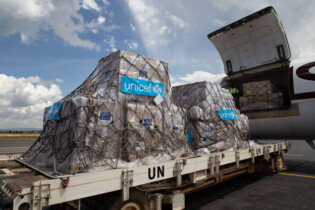
Ebola Spread Raises Fresh Urgency for Africa’s Domestic Health Funding
An Ebola death last week in Kenya is highlighting the urgency of Africa’s public health emergency preparedness and how the continent’s governments are committing their national budgets to the health sector.
Ukrainian Groups Urge WHO to Act on Torture of Captives by Russian Medical Staff
More than 60 Ukrainian organisations have issued an appeal to the World Health Organisation (WHO) to help stop the torture of Ukrainians held in Russian captivity.
Connecting the Dots: Quality Seed, Resilient Food Systems and Good Health
It is often said that the quality of seed determines the quality of the produce and, consequently, the sustainability of the entire agricultural value chain, influencing everything from crop yields to nutritional value.
Scarcity of Treatment Makes Syrians More Vulnerable to Mental Health Crisis
The protracted years of conflict in Syria have inflicted profound scars that transcend physical destruction, permeating the psychological well-being of millions.
Pacific Islanders Combat Mercury Poisoning of the Environment
It is an invisible contaminant that has been found in fisheries, an essential part of the food chain for many Pacific Islanders. Mercury, emitted from fossil fuel power generation and other industrial processes around the world, has now penetrated marine ecosystems in the Pacific Islands with detrimental consequences for people’s health and wellbeing.
It Is Time For Africa to Fund Its Health Security
Relying on foreign aid is bad for Africa's health and it must stop if the continent is to enjoy health security.
Trachoma: What It Takes to Eliminate a Disease in the Pacific Islands
Two Pacific Island nations have been applauded for their successes in the global health campaign to eliminate the infectious eye disease, Trachoma.
Four Years Later, Still No Clarity: WHO Report Highlights Gaps in Global Cooperation
More than four years since Covid-19 upended the world, the question of how it began remains unanswered. Did SARS-CoV-2 originate from animals to humans naturally, or did it accidentally escape from a laboratory? The World Health Organization’s latest report offers little new clarity and raises serious concerns about international cooperation and scientific transparency.
Turning the Tide: Health Community Turns to UNFCCC for Inclusivity
There is a rapid realization that climate change is impacting health, which is why the recently adopted World Health Organization's Climate Change and Health Resolution is considered pivotal.
WHO Africa Advances African Science by Promoting Peer-Reviewed Research
The World Health Organization's African regional office and partners published over 25 peer-reviewed articles in scientific journals in 2023 as part of efforts to address the imbalance in global research and ensure that Africa was better represented in the production of health research academic literature, a new report shows.
No Country On Track to Ensuring a Better Future for its Children
There is no country that is on the right path to ensure the safety, health and proper environment for their children, an explosive report has claimed.
WHO Declares Coronavirus a Public Health Emergency, Highlights Need to Support Countries ‘Weaker Health Systems’
Weeks into widespread panic about the “Coronavirus” that has so far killed at least 170 people in China, the World Health Organisation (WHO) on Thursday declared it a public health emergency. As of Friday, the disease had spread to all the regions in Mainland China, with more than 7,500 cases in the country alone, according to the BBC.
The World had an ‘Unprecedented’ Number of People in Humanitarian Need this Year
The world had an unexpected number of people in crisis this year, which exceeded projected numbers the United Nations had expected, with climate change being one of the key crises that led to “needs to unprecedented levels” according to a new report.
As Donors Ramp up Polio Funding, Worries of Comeback Persist
Efforts to wipe polio off the face of the planet took a step forward this week, with a multibillion-dollar fundraiser in the Middle East helping eradication schemes tackle a virus that disproportionately kills and cripples children in poor countries.
World’s Sewage Workers ‘Underpaid, Sidelined and Risking their Lives’
People who empty out sewage tanks and scrub down latrines doubtless perform a vital, thankless and even undesirable task. A new report, however, shows that doing such jobs could also cost workers their lives.
Opting In: The Value of Vaccines
Since the introduction of vaccines, diseases such as measles and polio were quickly becoming a thing of the past. However, the world’s progress on immunisation is now being threatened.
People Affected by Leprosy in Latin America Unite for Their Rights and Their Voice
With the decision to found a regional coalition to promote rights and greater participation in national and international forums and decisions, the First Latin American and Caribbean Assembly of Organisations of People Affected by Hansen's disease, popularly known - and stigmatised - as leprosy, came to an end.
‘Antimicrobial Resistance Knows No Boundaries’
European Union officials and global health bodies have called for help for poorer countries as growing resistance to antibiotics threatens to become a ‘global health tragedy’ and jeopardises Sustainable Development Goals in some parts of the world.
Sustainable Coastal Fisheries in the Pacific Depends on Improving Sanitation
At the mouth of the Mataniko River, which winds its way through the vibrant coastal port town of Honiara to the sea, is the sprawling informal community of Lord Howe Settlement, which hugs the banks of the estuary and seafront. A walk from the nearby main road to the beach involves a meandering route through narrow alleys between crowded dwellings, homes to about 630 people, which are clustered among the trees and overhang the water.
Global Warming Threatens Europe’s Public Health
Climate change and health experts are warning of the growing threat to public health in Europe from global warming as rising temperatures help potentially lethal diseases spread easily across the continent.
Reflections on World Health Day
What’s the most precious thing in the world which unfortunately we take for granted and realise it true value when it is impaired? Good health, of course.Next Page »





The Week with IPS

NEXT STOP - SDGs
Tracking global progress towards a sustainable world
Tracking global progress towards a sustainable world
