Languages
Tuesday, October 27, 2026



News and Views from the Global South
Zimbabwe
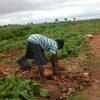
COVID-19: Zimbabwe’s Smallholder Farmers Step into the Food Supply Gap
Bulawayo, Zimbabwe' second city of some 700,000 people, has experienced a shortage of vegetables this year, with major producers citing a range of challenges from poor rains to the inability to access to bank loans to finance their operations. But this shortage has created a market gap that Zimbabwe smallholders — some 1.5 million people according to government figures — have an opportunity to fill.
Current Laws Cannot Protect Zimbabwe’s Women from Sex Trafficking
Similo Ntuli* looks like a ordinary, fashion-savvy woman in her twenties. As a hairdresser and beauty therapist in Bulawayo, Zimbabwe's second-largest city, Ntuli has her finger on the pulse of the latest styles and trends. But she also has, what she admits, are dark secrets.
Zimbabwe’s Thin Line between Child Smuggling and Child Trafficking
Elton Ndumiso*, a bus-conductor who works the route from Zimbabwe’s capital, Harare, to neighbouring South Africa, sees it all the time: Zimbabwean women travelling with three or four children, who are clearly not their own kids, and taking them across the border.It’s a crime that most bus drivers or conductors either turn a blind eye to, or become accomplices in by assisting the women.

Will Zimbabwe Allow Freedom of Airwaves and Freedom of Speech too?
Zimbabwe is making fresh commitments to open up its airwaves with government promising to issue licences to private television and community radio stations before the end of the year.
Vegetables Rot in Food Markets across Zimbabwe While Half the Population Faces Food Insecurity
Piles and piles of rotting vegetables at food markets situated right in Zimbabwe's central business district would elsewhere be viewed as a sign of plenty. But this Southern African nation has not been spared the irony of food wastage at a time of food shortages.
Genuine Reform Culture Lacking in Zimbabwe
Zimbabwe needs urgent economic and political reforms to transform its economy amidst a growing national crisis, researchers say in a new study that urges swift policy changes and a sound financial framework to attract investment.
Zimbabwe’s Inflation Makes it Hard to Keep Track of Cost of Living
Stung by the country’s spiralling inflation, Zimbabwe’s government workers took to the streets this week for the first ever police-sectioned march demanding improved wages.
Q&A: Holistic Land Management – Only a Movement can Prevent Desertification
Desertification is not cheap. It has social, cultural, environmental and of course economic costs to reverse what it destroys.
Zimbabwe’s ex-President Robert Mugabe Leaves a Mixed Legacy
Former Zimbabwe strongman Robert Mugabe, who died this week, aged 95, leaves a mixed and divisive legacy.
The Storm is Over, But in Southern Africa, Cyclone Idai Continues to Rage for Women and Girls
In late March Cyclone Idai carved a path of devastation across Zimbabwe, Mozambique, and Malawi. It was the deadliest cyclone to hit the region in more than a century, others have even referred to it as “Africa’s Hurricane Katrina.” More than 1,000 people were killed. Many more saw their homes, food crops, and even entire villages washed away.
Zimbabwe’s Resettled Farmers Hawking Cigarettes to Survive
For subsistence farmer Rogers Hove—who proudly brandishes a worn out letter for his five hectare piece of land he obtained from government following the chaotic land seizures from white commercial farmers over two decades ago—what matters most to him, “is to see my piece of land in my possession”.
Cyclone Idai: A Time to Reassess Disaster Management
It was one of the worst tropical cyclones hit Southern Africa in recent times. Cyclone Idai, which has been characterised by heavy rains and flooding including mudslides in some parts of Mozambique, Zimbabwe, and Malawi, has left more than 750 dead, with thousands marooned in remote rural areas, whilst others are still unaccounted for. More than 1,5 million people are affected by the cyclone in the region.
Zimbabwe’s Long Road to Gender Parity
Zimbabwe goes to the polls in July for the first general election since the departure of Robert Mugabe, and the jockeying over who will represent the country’s major political parties is in full throttle.
Low Awareness Restrains Growth of Solar Technologies
Every year, Amos Chandiringa, 43, a farmer in Nemaire village in Makoni district in northeastern Zimbabwe, laboriously waters his tobacco nursery with a watering can. The toil of the job often leaves him without the energy or time to do other household chores.
The Dark Chapter of Zimbabwe’s History That Won’t Go Away
With Zimbabwe’s new President Emmerson Mnangagwa just concluding a 100-day timeline to address what he considered the country’s most pressing issues, which focused on economic revival, human rights activists have their own timeline.
Women Miners Stake a Claim in Zimbabwe
Tapiwa Moyo, 40, religiously leaves her home each day when the first cock crows and joins a throng of women who have taken up artisanal mining in her community.
Women on the Front Lines of Halting Deforestation
In Zimbabwe, the bulk of rural communities and urban poor still get their energy supplies from the forests, leading to deforestation and land degradation.
Migrant Promoters and Musicians Spread Message of “One Africa”
The crowd in the park gave out roars of approval as the next act was announced: Mothusi Bashimane Ndlovu, one of Zimbabwe’s most popular singers and actors, who took to the stage with a small axe in hand.
Goodbye Mugabe, Hello New Zimbabwe?
Robert Mugabe - the world’s oldest head of state - is dead, politically at least.
Zimbabwe’s Diaspora Could Help Revive Ailing Economy
At the dawn of the millennium, Sheila Mponda, 60, waved goodbye to her four children, who were leaving Zimbabwe for the United Kingdom in search of greener pastures. Mponda had just lost her husband and had been a housewife all her life.
Once Decimated by AIDS, Zimbabwe’s Khoisan Tribe Embraces Treatment
Sixty-seven-year-old Hloniphani Sidingo gives a broad smile while popping out through the gate of a clinic in her village, as she heads home clutching containers of anti-retroviral pills.« Previous Page — Next Page »





The Week with IPS

NEXT STOP - SDGs
Tracking global progress towards a sustainable world
Tracking global progress towards a sustainable world
