Languages
Friday, October 9, 2026



News and Views from the Global South
Energy

Latin America and Caribbean Won’t Lose Oil Aid from Venezuela
Venezuela will keep in place the regional energy integration policies promoted by the late president Hugo Chávez if he is succeeded by acting president Nicolás Maduro, experts on regional relations told IPS.Pak-Iran Pipeline Carries Energy and Defiance
After almost two decades of non-stop negotiations, and two years of intense U.S. opposition, the much-delayed and controversial 7.5 billion dollar Iran-Pakistan pipeline is well on its track to full operation in the next 15 months.
Native Women Bring Solar Energy to Chile’s Atacama Desert
Three indigenous communities from the Chilean highlands have just received solar panels, which will be set up and maintained by unlikely solar engineers: five native women who travelled halfway around the world to India and overcame language and other barriers to bring photovoltaic energy to their villages.
Civil Society Wants Bigger Role in Green Climate Fund Planning
As the new board of the United Nations Green Climate Fund meets in Berlin this week, activist and watchdog groups here and around the world are expressing frustration over proposed rules they say are already significantly limiting civil society participation in the new initiative.
Public Pays for Fukushima While Nuclear Industry Profits
Two years after Japan's Fukushima Daiichi nuclear disaster, the country faces 100 to 250 billion dollars in cleanup and compensation costs, tens of thousands of displaced people and widespread impacts of radiation.
Brazilian-Made Plastic Solar Panels, a Clean Energy Breakthrough
As part of the country’s growing emphasis on green tech research, Brazilian scientists have developed plastic solar panels that could revolutionise power generation from this clean, renewable energy source.
Necessary Extinction
When the environment changes, smart creatures adapt. And, in the face of a changing climate and changing economics, smart people are backing green energy. In 2011 almost a third of new electricity came from renewable sources. But, just as the first mammals had to contend with a world of dinosaurs, the pioneers of green energy have to contend with a world based on an obsolete carbon-based energy system that refuses to upgrade.
Canada Losing Its Seasons
"Canada is not a country, it's winter," Canadians say with pride. But the nation's long, fearsome winters will live only in memory and song for Canadian children born this decade.
Fukushima Running Out of Workers
Japan has promised to scrap the crippled Fukushima nuclear reactors that faced the world’s worst nuclear accident. But Hiroyuki Watanabe, councillor in Iwaki City located 30 kilometres from the accident site, greets such intentions on the second anniversary of the disaster on Monday with misgiving.
Tehran Mulls Almaty II Amid Hopes for More Give and Take
The meeting between Iran and the so-called P5+1 (five permanent members of the U.N. Security Council plus Germany) that took place in late February in Almaty, Kazakhstan was described as positive and even a "turning point" by Iran's chief nuclear negotiator, Saeed Jalili.
Across U.S., Health Concerns Vie with Fracking Profits
Peter “Pete” Seeger is a 93-year old U.S. folk legend who resides near Wappingers Falls in southern New York. He can be spotted occasionally on the traffic-heavy Route 9, flanked by world peace signs and armed with a banjo.
U.S. Hopes for Some Rapprochement After Chávez
While the administration of U.S. President Barack Obama says it would like to improve relations with Venezuela in the aftermath of the death Tuesday of President Hugo Chávez, officials and independent analysts here believe any rapprochement will take time and faces political obstacles both here and in Caracas.For Iran and Pakistan, Energy Trumps Enmity
Iran appears to be putting its immediate economic and strategic needs ahead of religious solidarity as it seeks to promote ties with neighbouring Pakistan.
Cuba Diversifies – But Energy Focus Still on Oil
Cuba continues to focus heavily on oil for its energy needs, through agreements with partners like Venezuela, with the hope of discovering commercially exploitable wells in the Gulf of Mexico.
Draft Assessment of Tar Sands Pipeline “Devastatingly Cynical”
The U.S. State Department late Friday released a draft environmental impact assessment of a contentious pipeline project that simultaneously acknowledged the dangers posed by climate change while also noting the project would “not likely result in significant adverse environmental effects”.
U.S. Security Establishment Increasingly Worried about Climate Change
More than three dozen national security officials, members of Congress and military leaders are warning of the threat climate change poses to U.S. national security, the latest in an indicator that U.S. intelligence and national security circles are increasingly worried about a warming planet.
Killer Heat Waves and Floods Linked to Climate Change
Killer heat waves, floods and storms are increasingly caused by climate change, new research reveals.
Green Energy Solves Dual Crises of Poverty and Climate
Green energy is the only way to bring billions of people out of energy poverty and prevent a climate disaster, a new study reveals.Winter of Discontent Progresses to Bulgaria
Bulgarian prime minister Boiko Borisov of the ruling centre-right Citizens for the European Development of Bulgaria (GERB), announced his resignation Wednesday, following two weeks of sustained protests across the country which were sparked by rising electricity and heating costs.
Open Pit Miners Strike in Colombia
Two weeks into an indefinite strike called by workers at Cerrejón, one of the largest open-pit coal mines in the world, the company has agreed to sit down again and negotiate with Colombia's National Union of Coal Industry Workers (Sintracarbón).Stopping Uranium to Fight Off Nuclear
Local activists have begun protests in Slovakia after a government ministry appeared to give its backing to a controversial uranium mining project despite reassurances to people living near the proposed site that no mining would be allowed to take place.« Previous Page — Next Page »





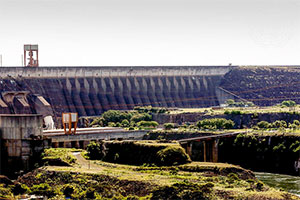 UN Power Plant, Paraguay. Credit: UN Photo/Evan Schneider
Energy has posed a great challenge for economies around the world. As global energy consumption skyrockets throughout the years, so does the need for sustainable solutions. The Sustainable Development Goals are essential in providing people with access to safe, affordable, and sustainable energy sources that minimize harm on the planet. Progress towards these goals opens the door for an advancement in modernization for communities on a global level and allows for a potential mitigation of tensions between nations.
The UN’s Summit of the Future in 2024 offered new initiatives that are being taken to achieve these goals, including a decreased reliance on fossil fuels, a switch to renewable energy sources, and improved climate financing.
IPS is well positioned to provide relevant, insightful, and compelling analysis of recent updates and measures being taken around the world to achieve a cleaner future.

The Week with IPS

NEXT STOP - SDGs
Tracking global progress towards a sustainable world
Tracking global progress towards a sustainable world
