Languages
Friday, November 13, 2026



News and Views from the Global South
Food and Agriculture

The Path to Global Food Security
This year, the Nobel Peace Prize recognised the inextricable link between hunger and conflict. With climate change as a further complicating factor, research, investment, and coordination with local farmers are critical for ensuring food security for all.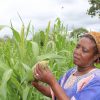
Using Traditional and Indigenous Food Resources to Combat Years of Successive Drought
For Zimbabwean farmer Sinikiwe Sibanda, planting more sorghum and millet than maize has paid off. As the coronavirus pandemic has led to decreased incomes and increased food prices across the southern African nation -- it is estimated that more than 8 million Zimbabweans will need food aid until the next harvest season in March -- Sibanda's utilisation of traditional and indigenous food resources could provide a solution to food security here.
Can Agroecology Feed the World?
Producing food and ensuring nutrition security, protecting the environment and restoring biodiversity, building sustainable and fair food systems: That’s the promise of agroecology.
‘The Sahel – a Microcosm of Cascading Global Risks Converging in One Region’
The European Commission this week pledged $27.8 million in humanitarian support to the Sahel region as floods and the coronavirus pandemic exacerbate the stability in a region deeply in conflict. While the figure is less than 2 percent of the $2.4 billion that the United Nations has appealed for, Amnesty International researcher Ousmane Diallo told IPS that despite past donations from international development partners to Sahelian countries, the situation hasn’t improved over the years.
Food Security Bursts Onto the Global Agenda
The month of October 2020 will be recalled as one of the most important moments in raising awareness about world food security, whether in the global debate or in the search for possible concrete solutions.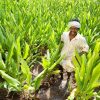
Why Food System Transformation Needs Water
The impact of Covid-19 on supply chains and food security has dealt a blow to the already faltering global development ambition of ending hunger.
NESFAS Partner Communities Celebrate World Food Day
World Food Day, a day dedicated to tackle world hunger, is annually celebrated on October 16, 2020 globally. To commemorate this day, the North East Slow Food and Agrobiodiversity Society (NESFAS) along with its partner organisations — Society for Urban and Rural Empowerment (SURE) and North East Network (NEN), Nagaland — hosted several programmes across 27 communities in Meghalaya and Nagaland. It may be mentioned here that all government SOPs and measures were followed during the events.
Why a Zimbabwean Farming Project Failed: Lessons for Rural Innovation
Many countries in sub-Saharan Africa commit resources to promote agricultural innovations. This is based on the assumption that rural livelihoods are mainly agricultural and that the innovations will increase agricultural production and household income.
Q&A: Food Systems need to Mimic Nature
Despite the World Food Programme (WFP) being awarded the 2020 Nobel Peace Prize for its work in addressing global hunger, sustainable food systems expert Emile Frison believes a lot more needs to be done. This includes the rethinking of approaches to agricultural production, establishing deeper relationships between consumers and producers, and taking a wholistic approach towards socio-economic factors.
Food Citizenship: Innovative Partnerships for Healthy Food Systems
Food is high on the political agenda. The need to make food systems more resilient to external shocks like climate change and Covid-19 is now well acknowledged among states and other actors. Green, healthy, and inclusive food systems should become the new normal. But to make this happen we need to reshape the entire food system, with citizens driving bottom-up innovations.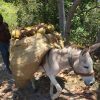
Working Animals’ Role in SDGs and Addressing Climate Change, Pandemic Crises
As we prepare to celebrate the 75th anniversary of the Food and Agriculture Organization of the United Nations (FAO), it is time to recognise the role of working animals in livelihood systems, addressing climate change and in human health, which has been overlooked for too long. The Working Animal Alliance seeks to change this.
How the Pacific Islands are Balancing COVID-19 Survival Demands on Coastal Fisheries with Sustainable Management
Coastal fisheries in the Pacific Islands have become a food and livelihood lifeline to many people who have lost jobs, especially in urban centres and tourism, following COVID-19 lockdowns and border closures. Now governments and development organisations are trying to meet the crisis-driven survival needs of here and now, while also considering the long-term consequences on near shore marine resources and habitats.
Gendering Agriculture so Women Take the Lead in Feeding Africa
Africa’s hopes of feeding a population projected to double by 2050 amidst a worsening climate crisis rest on huge investments in agriculture, including creating the conditions so that women can empower themselves and lead efforts to transform the continent’s farming landscape.
Nobel Peace Prize to World Food Programme Delivering Life-Saving Sustenance to Millions Worldwide
With the 2020 Nobel Peace Prize bestowed on the Rome-based World Food Programme (WFP), the United Nations and its affiliated agencies continue to hold a monopoly of one of the world’s most prestigious annual awards.
What Does Building Back Better Look Like for African Women Engaged in Smallholder Agriculture and Food Businesses?
“We need to build back better.” This has been the rallying call on the COVID-19 response by UN Secretary General Antonio Guterres to leaders and communities around the world. It has been echoed in conference rooms and in the numerous Zoom meetings organized to discuss the pandemic. It will be especially important to apply the idea to women working in the agriculture and food sector.
Sustainability of Zimbabwe’s Natural Food Sources take a Knock Amid Growing Economic Crisis
Sarudzai Moyo, a former teacher, has begun a new career as a fishmonger. Once a week she makes the 450km journey from Bulawayo to Binga, on the shores of Lake Kariba, where she buys between 100 and 150 kilograms of fish for resale as the demand for cheaper dietary options increase in Zimbabwe.
India: Are the Farm Ordinances Against Farmers’ Interests?
Farm policy in India is in its own conundrum. If you ask, “what are the major challenges for increasing farmer income?”, any farmer in India would tell us that it is the low remunerative prices for their produces and he or she will add that most of the market margins goes to the middlemen.
Hundreds of sustainable and profitable agribusiness opportunities available in Nigeria – IITA DDG
CGIAR-IITA Deputy Director General, Partnerships for Delivery, Kenton Dashiell, has encouraged Nigerians to take up sustainable and profitable opportunities in the country’s agriculture sector. He made this appeal during his keynote address at the National Conference on Agricultural Innovations for Food Security in the Post COVID-19 Era.
Less Food Loss and Waste, More Right to Food
Most cultures have created taboos and norms that prevent food waste. At the same time, social mores have reserved for occasions of celebrations or hospitality a code associating the abundance of food, in quantities much higher than normal, with concepts such as generosity and honour.
How to Make Nutritious Food Affordable for the 1 Billion Africans
One of the biggest revelations of the COVID-19 pandemic has been that people with pre-existing, diet-related conditions such as obesity, heart disease, and diabetes, are more at risk of suffering severe forms of the disease leading to a need for intensive hospitalization.
Scientists Draw up Guidelines to Help Agri-food Companies Align with 2030 Agenda
In Amuru district, 47 kilometres from Gulu town in northwestern Uganda, the Omer Farming Company has proven that it is possible to farm on thousands of acres of land using methods that conserve the environment and its biodiversity.« Previous Page — Next Page »


 Farming on the Outskirts of Juba. Credit: UN Photo/JC McIlwaine
Promoting human and planetary health is a central focus of the United Nations, as laid out in the 2030 Sustainable Development Goals (SDGs). World hunger and unsustainable farming practices continue to be pressing concerns for the world. According to the 2025 State of Food Security and Nutrition in the World report by the Food and Agriculture Organization (FAO), 673 million people faced hunger in 2024. There are stark regional disparities, with the FAO projecting that 60% of the world population facing hunger will reside in Africa by 2030. Globally, the prevalence of food insecurity has remained consistently higher for women than men.
Sustainable and efficient national food systems are essential in preserving health, education, environmental well-being, peace, economy, and security. However, creating sustainable food systems can be a challenging endeavor, as food production takes a heavy toll on the environment. The agricultural sector accounts for a significant portion of greenhouse gases. Finding safe, sustainable, and ethical strategies to feed the world is crucial in ensuring planetary longevity. A recent initiative from 2023, the EU Regulation on Deforestation-free Products (EUDR), seeks to advocate for sustainable food systems. The main driver of deforestation is the expansion of agricultural land used to produce commodities like cattle, wood, cocoa, coffee, etc. The EUDR is part of the 2020 European Green New Deal and the EU Biodiversity Strategy for 2030 and aims to limit Europe’s consumption of products linked with deforestation by requiring that companies prove that their products are deforestation-free. Despite aiming to achieve major strides in sustainability, policies such as EUDR also raise socioeconomic concerns for targeted countries. Many emerging Latin American economies are impacted by the policy, and have raised the question of how developing countries can grapple with the tensions between economic development and advancing sustainability.
IPS has been at the forefront of providing compelling and insightful stories on communities facing hunger as well as the cost of food production. IPS uses statistics from FAO, the World Food Programme (WFP) and the International Fund for Agricultural Development (IFAD) to bring relevant and hard-hitting facts to readers. This gathering of information and data from such organizations helps bring the best stories from IPS journalists working in the different regions in consultation with experts on the ground.

The Week with IPS

NEXT STOP - SDGs
Tracking global progress towards a sustainable world
Tracking global progress towards a sustainable world

