Languages
Wednesday, November 11, 2026



News and Views from the Global South
Food and Agriculture
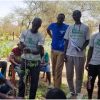
Senegal Farmer Succeeds with Regenerative Agriculture & Begins Teaching Others
Souylemane Samb sits under a crowded tent on a hot Senegalese day. He wears a canvas vest with Trees for the Future printed across the back.
Climate-Smart Agriculture means More Time for Eswatini Women Farmers
Aside from the seven hours Mantfombi Msibi (63) would spend daily during the Eswatini farming season planting, applying herbicides and weeding her 1.2-hectare maize field, she would also spend E1 750 ($125) on tractor services. It was a huge cost of both time and money. But this season, Msibi will be benefiting from climate-smart farming technology that has opened up a new world of farming to her, saving her time in the process.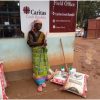
Biofortified Crop Project Reaches Refugees in Zambia
The Mutwales farm a small plot of land in the camp, growing primarily cassava and maize for food. They are also one of the 105 refugee farming families participating in an initiative during the 2019/2020 growing season to help them cultivate nutritious, vitamin A-biofortified orange maize, which was developed by the International Maize and Wheat Improvement Center (CIMMYT) in partnership with HarvestPlus.
Preserving World’s Biodiversity: Negotiations Convene at FAO Headquarters
“The world out there is watching and waiting for results,” Elizabeth Maruma Mrema warns while talking to IPS regarding the preservation of biodiversity of our planet.
India’s Orange Farmers Search for Sustainable Agriculture
Hillol Datta, 26, travelled for two days from Kolkata to Jampui Hills – a picturesque hill station in the north eastern province of India – to see its fruit-laden orange orchards. However, after driving for several hours, all the young traveller saw were bald patches along the hill slopes and scattered rows of areca (nut) palm trees.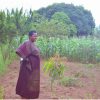
Ugandan Farmer Ends Food Insecurity for Family & Community
In Aboke, Uganda, a modest restaurant serves locals breakfast, lunch and dinner. Carol Agoa isn’t just the owner and cook, she also supplies all of the food for her restaurant.
Biodiversity & Agriculture: Nature’s Matrix & Future of Conservation
When we were children, a long auto trip would require a stop every hour or so to clean the windshield of the insects that had been intercepted.
Can Indian Farmers Adapt to Water Loss?
Over the last few decades, groundwater has become the major source of irrigation for Indian agriculture. Pumped by millions of privately-owned tube-wells, it contributes 60 percent of the water used for irrigation, having grown by 105 percent since the 1970s.
Tackling Climate Change and Preserving the Water Body: A Bangladeshi Perspective
For any riverine country, the state of the water body around big cities and conditions of major rivers hold a leadership position in the overall climate effects and how the water body is protected and preserved impacts the entire economy and living standards of that country. Bangladesh is renowned for the geomorphic features that include massive rivers flowing throughout the country. Within the border of Bangladesh lie the bottom reaches of the Himalayan Range water sources that flow into the Bay of Bengal totaling the number of rivers by a count of 700. The length of river bodies is about 24,140 km. There are predominantly four major river systems: the Brahmaputra-Jamuna, the Ganges-Padma, the Surma-Meghna, and the Chittagong Region river system. The Brahmaputra is the 22nd longest (2,850 km) and the Ganges is the 30th longest (2,510 km) river in the world. (1) The river system works as a backbone for agriculture, communication, drinking water source, energy source, fishing and as the principal arteries of commercial transportation in Bangladesh. During the annual monsoon period between June and October, the rivers flow about 140,000 cubic meters per second and during the dry period, the numbers come down to 7000 cubic meters per second.
Why Trade in Services Matters for Development and Inclusiveness in Africa
The rise of the services economy around the world represents a profound transformation that offers significant opportunities for countries' sustainable development strategies.
From Cocoa to Chocolate, Made With Love in Africa
A premium chocolate maker in São Tomé and Príncipe is on a drive to promote the taste for "made in Africa" chocolate, and tap into a $100 billion global indulgence associated with Valentine’s Day.
Desert Locusts Invade East Africa
Widespread hatching and movement of destructive desert locusts will turn into a full-blown crisis in the coming weeks in East Africa and neighbouring countries, the UN Food and Agriculture Organization warns.
Landmark Law Empowers Women Farmers
When Pakistan’s eastern Sindh province passed the ‘Sindh Women Agricultural Workers Bill’ on 20 December, giving women in agriculture, livestock, fisheries and other agro-based work the same rights and benefits enjoyed by workers in the industrial sector, it was a revolutionary step for the whole of South Asia.
The Pacific Community launches the Pacific Healthy Recipe Contest
The Pacific Community (SPC) is calling for contestants to join the Pacific Healthy Recipe Contest and showcase their cooking skills and creativity to promote healthy eating and prevention of non-communicable diseases (NCDs).
Q&A: Africa Must Innovate its Food Systems in Order to Beat Hunger and Poverty
Africa needs to invest in agriculture by putting more resources into innovative research and development that can boost food and nutritional security, according to leading scientist, Nteranya Sanginga.
Synergy with Hydropower Plants Boosts Biogas Production in Brazil
Fomenting biogas production among agricultural producers may seem at first glance to be a distraction from the purpose of Itaipu, the giant hydroelectric power plant shared by Brazil and Paraguay, but in fact it is part of their energy business strategy.
Pulses for a Sustainable Future
Reducing poverty and inequalities, eliminating hunger and all forms of malnutrition and achieve food security for all – these are some of the most important objectives of the Sustainable Development Goals. Still, the rate of poverty and inequalities is increasing and over 820 million people are going hungry. In addition, 2 billion people in the world are food insecure with great risk of malnutrition and poor health. This alarming situation is further aggravated by current trends such as the rate of population growth, impacts of climate change, loss of biodiversity, soil degradation and many others. Transition to more sustainable food systems can provide adequate solutions to all these challenges. Pulses could play an important role in this transition, having nutritional and health benefits, low environmental footprint, and positive socio-economic impacts as well. What is required to promote and support the production and consumption of more pulses? This question is particularly relevant now, since 10 February is the World Pulses Day.
Vegetables Rot in Food Markets across Zimbabwe While Half the Population Faces Food Insecurity
Piles and piles of rotting vegetables at food markets situated right in Zimbabwe's central business district would elsewhere be viewed as a sign of plenty. But this Southern African nation has not been spared the irony of food wastage at a time of food shortages.
Italy dedicates a day to the fight against Food Waste
Today, February 5, 2020, Italy is celebrating its seventh National Day against Food Waste. According to the Food Sustainability Index, developed by Barilla Foundation with the Economist Intelligence Unit, every year Italians waste 65 kg of food per person.
Do Not Confuse Food Charity with “Right to Food”, UN Expert Tells Italians, Labelling Food System Exploitative
A sophisticated Italian food system is placing a heavy burden on Italy’s workers and farmers, an independent UN human rights expert said on Friday, following an 11-day visit to the country that many regard as the world’s food capital.
The Role of Sherpas in Nature Conservation as Guardians of the Himalayas
 Since I was a kid, I grew up with adventures and stories of famous characters of the books of Jack London: White Fang, Make a Fire… and the incredible ode to perseverance of Martin Eden.
« Previous Page — Next Page »





 Farming on the Outskirts of Juba. Credit: UN Photo/JC McIlwaine
Promoting human and planetary health is a central focus of the United Nations, as laid out in the 2030 Sustainable Development Goals (SDGs). World hunger and unsustainable farming practices continue to be pressing concerns for the world. According to the 2025 State of Food Security and Nutrition in the World report by the Food and Agriculture Organization (FAO), 673 million people faced hunger in 2024. There are stark regional disparities, with the FAO projecting that 60% of the world population facing hunger will reside in Africa by 2030. Globally, the prevalence of food insecurity has remained consistently higher for women than men.
Sustainable and efficient national food systems are essential in preserving health, education, environmental well-being, peace, economy, and security. However, creating sustainable food systems can be a challenging endeavor, as food production takes a heavy toll on the environment. The agricultural sector accounts for a significant portion of greenhouse gases. Finding safe, sustainable, and ethical strategies to feed the world is crucial in ensuring planetary longevity. A recent initiative from 2023, the EU Regulation on Deforestation-free Products (EUDR), seeks to advocate for sustainable food systems. The main driver of deforestation is the expansion of agricultural land used to produce commodities like cattle, wood, cocoa, coffee, etc. The EUDR is part of the 2020 European Green New Deal and the EU Biodiversity Strategy for 2030 and aims to limit Europe’s consumption of products linked with deforestation by requiring that companies prove that their products are deforestation-free. Despite aiming to achieve major strides in sustainability, policies such as EUDR also raise socioeconomic concerns for targeted countries. Many emerging Latin American economies are impacted by the policy, and have raised the question of how developing countries can grapple with the tensions between economic development and advancing sustainability.
IPS has been at the forefront of providing compelling and insightful stories on communities facing hunger as well as the cost of food production. IPS uses statistics from FAO, the World Food Programme (WFP) and the International Fund for Agricultural Development (IFAD) to bring relevant and hard-hitting facts to readers. This gathering of information and data from such organizations helps bring the best stories from IPS journalists working in the different regions in consultation with experts on the ground.

The Week with IPS

NEXT STOP - SDGs
Tracking global progress towards a sustainable world
Tracking global progress towards a sustainable world

