Languages
Thursday, November 19, 2026



News and Views from the Global South
Health
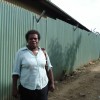
Sorcery-Related Violence on the Rise in Papua New Guinea
An increase in sorcery-related violence and fatalities over the last decade in Papua New Guinea is generating awareness about the lack of development, economic opportunities, inequality and under-resourced health services in rural areas.Radioactive Mushrooms Cloud Compensation Plans
The discovery of radioactive contamination in ‘shiitake’ mushrooms grown in Manazuru town, Kanagawa prefecture, some 300 km away from the crippled Fukushima Daiichi nuclear power plant, has raised public clamour for compensation.
Put Food Crisis on G8’s Plate, Group Urges
Days before the annual White House Easter Egg Roll, anti- poverty advocates staged their own egg hunt in Lafayette Park to urge President Obama to "find political will to end global hunger" during the upcoming G8 Summit at Camp David.
Libya Faces a Health Check
At a crowded corner of the Tripoli Medical Centre, people gather every morning to submit paperwork for medical treatment abroad, or worriedly scan new lists of approved names plastering the walls.
Guatemala – Regional Leader in Teen Pregnancies
Teenage pregnancies are on the rise in Guatemala, along with the drop-out rate in schools, family breakdown and many other related social ills.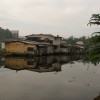
‘Slum Cities’ Need Better Planning
Sri Lanka’s capital city Colombo, the vibrant economic and administrative heart of the bustling island nation, is rapidly turning into a city of slums. Home to over 30 percent of the country’s population, one in every two people living in the Greater Colombo Area is a slum dweller.
Latrines Critical to Keeping Kids in South Sudan’s Schools
Before Bor B Primary School built latrines on the school grounds two years ago, students would leave during their first break to head home. Most did not come back until the next morning.Afghan Women Victims Not Perpetrators of ‘Moral Crimes’
Mursal, a beautiful 19-year-old girl who has run away from home to escape a mentally ill husband, is just one of many Afghan women and girls who are now considered criminals under the country’s laws on ‘morality.’
More Cell-Phones than People, and No E-Waste Treatment in Guatemala
The lack of adequate management of electronic waste in Guatemala is posing a serious threat to the environment and health, as demand for electronic devices has soared to the point that there are more cell phones than people.
Liberia’s Government Finding a Way to End FGM
"There were three people. One person was holding me down; one person was holding my hand; and the other person was doing the job. They lay me down, and…" Fatu said of the female genital mutilation she underwent as an eight- year-old in Liberia.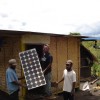
Solar Panels Reflect Bright Future for Rural Papua New Guinea
In Papua New Guinea (PNG), which has no national power grid but large river systems and abundant sunshine, renewable energy has tremendous potential to transform remote rural lives with clean and sustainable electricity.
Breastfeeding, Not Formula, for South Africa’s HIV-Positive Mothers
South Africa's nine provinces will begin phasing out provision of free formula to HIV-positive mothers and implement a new policy on breast-feeding from Sunday. But despite the clarity of the policy and its supporting data, vocal critics, including respected individuals from leading medical and academic institutions, have decried the choice.
Women Pay for Kashmir’s Water Woes
Naseema Akhtar, 38, worries that her daily treks to collect clean water from the mountain springs around her village of Bonpora, in Kashmir’s Kupwara district, are getting longer. She is already doing more than seven km every day.
U.S.: Forming Coalitions, Tea Party Continues to Brew
In the three years since its inception, the Tea Party has cemented its place in U.S. politics, routinely making waves in political races of national interest. At the same time, some local Tea Party groups are beginning to build post-partisan coalitions that are both surprising and counterintuitive.Memories of Osh Violence Continue to Haunt Kyrgyz Children
The physical damage done to Osh, the city in southern Kyrgyzstan that was engulfed in interethnic violence almost two years ago, is steadily being repaired. The psychological scars, on the other hand, may take generations to heal.ARGENTINA: Lack of Information Raises Risk of Cervical Cancer
A novel research study in Argentina explored women's knowledge and beliefs about cervical cancer, in the provinces with the highest mortality from this highly preventable form of cancer, to design more effective policies.Careless Handling of Benin’s Medical Waste Could Cost Lives
Fifteen-year-old Aicha is one of the many spice vendors hawking their wares in the Dantokpa market, in Benin's economic capital, Cotonou. But a closer look at her tidy stall reveals a disturbing detail: the powdered spices are packaged in recycled medicine vials.
Saving Mothers’ Lives One Midwife at a Time in South Sudan
Martha Borete Angela’s gaze sinks to the ground as she admits neither of her two children was delivered by a midwife or doctor. The 28-year-old South Sudanese woman shared this fact in front of her classmates: first-year students in a programme for midwives at the Catholic Health Training Institute in Wau, a city in the western part of the country.
Locals Don’t Want Cell Phone Towers Next to See-saws in El Salvador
"You see? That's where they were going to put the antenna," says Alicia Suncín, pointing to a spot in the middle of a park in the Salvadoran capital where a private company was planning to erect a cell phone tower, 10 metres away from swings and see-saws where children play.
Kazakhstan, Uzbekistan Take Differing Approaches on Aral Sea
The saga of the Aral Sea is now a tale of two bodies of water. One holds the promise of a happy ending, the other remains enmeshed in tragedy.
Africa’s Political Instability Hinders Maternal Health Progress
Political instability, civil strife and humanitarian crises in Africa have over the past decades reversed countless maternal health development gains on the continent, health experts warn.« Previous Page — Next Page »


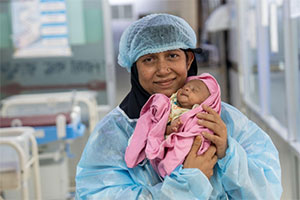 Bangladesh: Sarid, born one month early, receives specialized newborn care and grows stronger every day. Credit: UNICEF/UNI944397/Mojumder
Since the onset of the 2000s, global life expectancy has seen an overall rise, attributed to significant technological and scientific innovations in healthcare. Due to an increased understanding of different conditions as well as a rise in cooperation among healthcare experts around the world, there have been major strides made in ensuring that as few people die from chronic illnesses as possible. Despite the belief that healthcare is a fundamental human right, people from low- or middle-class backgrounds, marginalized groups, and underdeveloped countries have far more limited access to basic healthcare services.
The COVID-19 pandemic showed how marginalized communities are disproportionately affected by health crises, proving that we have much work to do in ensuring that no one dies of terminal conditions. While the global response to the coronavirus saw significant strides in immunization and vaccine development, the global outbreak of mpox in 2022 and its upsurge in parts of Africa in 2024 must remind us to remain vigilant.
Other major disease outbreaks in recent years have been linked to the destruction of infrastructure during warfare. Notably, in 2024, the Gaza Strip witnessed a return of the poliovirus since its eradication in the region 25 years ago. Israel’s blockade on Gaza has resulted in the collapse of the region’s sewage plants and desalination plants, and also destroyed healthcare capacities. The UN stated that this lack of clean water and sanitation would lead to an outbreak of cholera and other deadly infectious diseases. The 2026 OCHA Humanitarian Situation Report confirmed that the over two years of conflict in Gaza has produced a catastrophic health emergency, with millions remaining dependent on relief aid amid tight restrictions and no functioning public health system.
IPS is committed to providing full and comprehensive coverage on healthcare challenges around the world. IPS seeks to address the multifaceted causes of such challenges, including unprecedented pandemics, conflict-driven disease outbreaks, as well as socioeconomic barriers to equal healthcare access. IPS is also dedicated to reporting on innovations in the healthcare industry.

The Week with IPS

NEXT STOP - SDGs
Tracking global progress towards a sustainable world
Tracking global progress towards a sustainable world
