Languages
Thursday, November 19, 2026



News and Views from the Global South
Health

INDIA: Alcoholism Grips Progressive Kerala
The scene outside a temple in Kannur district in Kerala recently was something unusual in modern India. Sitting on one side of a balance scale hanging in front of the Kannadipara Muthappan Temple was a woman, and on the other side, a bucket of coconut wine.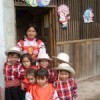
Malnutrition Has an Indigenous Face in Peru
Indigenous children under five in Peru's highlands regions still bear the brunt of chronic malnutrition, even though local authorities in those areas received millions of dollars worth of taxes between 2006 and 2010 from the mining companies operating there.
HAITI-DOMINICAN REPUBLIC: Cholera Chokes Off Border Trade
The cholera epidemic ravaging Haiti has affected even this small southern border town, which lived primarily from the trade with its neighbour even though it counts for less than five percent of the cross-border market trade.Health System Failing Nigeria’s Youngest Citizens
Despite some progress, Nigeria is lagging behind its peers in reducing deaths among children under five. The mortality rate remains worryingly high for newborn infants - 700 children less than 28 days old die in the country every day.MINING-PERU: Doe Run’s Latest Move
The U.S. mining and metallurgical company Doe Run has once again challenged the Peruvian government. The Renco Group, of which it is a subsidiary, notified the government of its plans to start an international arbitration process, invoking the free trade agreement between this South American country and the United States.
PHILIPPINES: Designing Defence Against Climate Change
As the impact of climate change worsens around the globe, a disaster-resilient village is poised to be a solution for urban poor battling the constant floods and typhoons that hit the Philippines.U.N. to Host Slew of Talkfests Through 2011
Living up to its reputation - or notoriety - as one of the world's quintessential talking shops, the United Nations has scheduled a slew of high-level meetings and international conferences through December this year.
U.S.: Sick Gulf Residents Beg Officials for Help
In an emotionally charged meeting this week sponsored by the National Commission on the BP Deepwater Horizon Oil Spill, fishermen, Gulf residents and community leaders vented their increasingly grave concerns about the widespread health issues brought on by the three-month-long disaster.
Appalling Conditions in Mexico’s Mental Health Institutions
Brígido rocks slowly back and forth while José Guadalupe, a Catholic priest, says mass at the Atlampa Centre for Social Assistance and Integration (CAIS) in Mexico City. Suddenly, he begins to bang his head against the wall, startling the people around him.China Moves to End ‘Modern Slavery’
Authorities in remote Xinjiang province rescued a group of mentally ill men last month. The men had been sold by a shelter operator and forced to work in a factory. The rescue shone a light on the darkest side of China’s rapid economic growth – slavery.
In Corrupt Global Food System, Farmland Is the New Gold
Famine-hollowed farmers watch trucks loaded with grain grown on their ancestral lands heading for the nearest port, destined to fill richer bellies in foreign lands. This scene has become all too common since the 2008 food crisis.ARGENTINA: Disfiguring Fat Compounds Stigma of AIDS
Since antiretroviral drugs became widely available in many countries, AIDS has gradually come to be seen more like a chronic disease. But the treatment that restored the hope of people living with HIV has posed a new challenge, which is generally played down by health professionals.
US: EcoATMs Swap E-waste for Cash
It's hardly news that the U.S. love affair with electronic gadgets has a dark side. The global toll on natural resources and the potential health and environmental hazards are staggering.
DR CONGO: Promise of Potable Water for Kikwit
When the ground is broken for the Kakobola dam, engineers just might be able to hear the jubilation in the city of Kikwit, 200 kilometres away. The city's million residents are desperate to improve their water supply.HAITI: Women Wonder if They’ll Ever Feel Safe Again
Up a rubble-strewn street, turn right past a crumbled house, and 60 men and women are in the yard and parlor of the offices of the Commission of Women Victim-to-Victim (Komisyon Fanm Viktim pou Viktim, KOFAVIV) association.ZIMBABWE: In the Eye of the HIV/Aids Storm
Teenage commercial sex workers are finding themselves at the centre of the HIV/AIDS storm amid concerns of widespread lack of condom use and a spike in the number of infections among this demographic, despite the country’s continuing HIV/AIDS campaigns, which health authorities say has seen a drop in prevalence in the past few years.HEALTH: The Silent Killer that Continues to Claim Children’s Lives
Medical experts have warned that malaria and HIV have monopolised interventions geared towards curbing child mortality in Kenya, thus ignoring the equally deadly killer, diarrhoea. This disease has silently claimed the lives of hundreds of children every year.
NICARAGUA: Lobster Divers in Deep Trouble
Edgard Walters, who belongs to the Association of Disabled and Active Divers of the Atlantic Coast of Nicaragua, has been in a wheelchair since 2003, when he made his last dive for lobster in the waters of the Caribbean.HIV/AIDS: Fund Rejection Worries Health Campaigners
Health rights activists in Malawi are expressing concern over the recent rejection of the country’s proposal for close to six hundred million dollars to the Global Fund to fight HIV, tuberculosis and malaria between 2011 and 2016.
HUMAN RIGHTS: Mauritian Sex Workers Demand Rights
"Sex workers rights are human rights", close to a hundred people shouted during a recent march in Rose-Hill, a major town in Mauritius. Their aim was to sensitise the population, particularly the parliamentarians, to the state of sex workers on the island.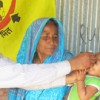
HEALTH-BANGLADESH: Equity Key to Cutting Child Mortality
Poverty remains one of the problems of Bangladesh, but it has made, and continues to make, key progress when it comes to preventing deaths among its children.« Previous Page — Next Page »


 Bangladesh: Sarid, born one month early, receives specialized newborn care and grows stronger every day. Credit: UNICEF/UNI944397/Mojumder
Since the onset of the 2000s, global life expectancy has seen an overall rise, attributed to significant technological and scientific innovations in healthcare. Due to an increased understanding of different conditions as well as a rise in cooperation among healthcare experts around the world, there have been major strides made in ensuring that as few people die from chronic illnesses as possible. Despite the belief that healthcare is a fundamental human right, people from low- or middle-class backgrounds, marginalized groups, and underdeveloped countries have far more limited access to basic healthcare services.
The COVID-19 pandemic showed how marginalized communities are disproportionately affected by health crises, proving that we have much work to do in ensuring that no one dies of terminal conditions. While the global response to the coronavirus saw significant strides in immunization and vaccine development, the global outbreak of mpox in 2022 and its upsurge in parts of Africa in 2024 must remind us to remain vigilant.
Other major disease outbreaks in recent years have been linked to the destruction of infrastructure during warfare. Notably, in 2024, the Gaza Strip witnessed a return of the poliovirus since its eradication in the region 25 years ago. Israel’s blockade on Gaza has resulted in the collapse of the region’s sewage plants and desalination plants, and also destroyed healthcare capacities. The UN stated that this lack of clean water and sanitation would lead to an outbreak of cholera and other deadly infectious diseases. The 2026 OCHA Humanitarian Situation Report confirmed that the over two years of conflict in Gaza has produced a catastrophic health emergency, with millions remaining dependent on relief aid amid tight restrictions and no functioning public health system.
IPS is committed to providing full and comprehensive coverage on healthcare challenges around the world. IPS seeks to address the multifaceted causes of such challenges, including unprecedented pandemics, conflict-driven disease outbreaks, as well as socioeconomic barriers to equal healthcare access. IPS is also dedicated to reporting on innovations in the healthcare industry.

The Week with IPS

NEXT STOP - SDGs
Tracking global progress towards a sustainable world
Tracking global progress towards a sustainable world
