
Tuesday, November 17, 2026



News and Views from the Global South
Climate Change

Climate Adaptation Troubles Karachi’s Planners
Climate proofing this bustling port city is a daunting task for planners who must consider factors ranging from proneness to flooding and administrative malaise to the fact that 60 percent of its 18 million people live in slums.
Small Step to Set Up the Biggest Marine Park
The world’s largest marine park is due to be launched in the Cook Islands located in the Pacific Ocean about 3,000 km from New Zealand. Covering an area of almost a million square kilometres, the park will be three times the size of Australia’s Great Barrier Reef Marine Park and twice as large as the Chagos Archipelago in the Indian Ocean that topped the list of marine protected areas (MPAs) for two years.
Men and Women Farming Together Can Eradicate Hunger
Three years ago, the residents of the semi-arid Yatta district in Kenya’s Eastern Province lived on food aid due to dwindling crops of maize that could not thrive because of the decreased rainfall in the area. That was until a local bishop, trying to find ways to prevent mothers from forcing their teenage daughters into prostitution, changed everything.
PACIFIC ISLANDS: Marine Protected Areas Bolster Conservation Efforts
The world's smallest island nations wield more power than their sizes would suggest, with millions of square kilometres in their domains, said leaders of Pacific Island nations gathered at a special forum here in the Cook Islands.
Kashmir’s Melting Glaciers May Cut Ice With Sceptics
Jowhar Ahmed, an air-conditioner dealer in Srinagar, is pleased at a spurt in business this summer caused by temperatures soaring over 35 degrees Celsius - unusual in this alpine valley ringed by snow-capped mountains.
International Food Prices Again at Record Levels, World Bank Warns
After decreasing somewhat in recent months, international food prices have again risen dramatically, according to figures published on Thursday by the World Bank. Statistics for July indicate a 10 percent rise over just the previous month, and a six percent increase over already high prices from the same time frame a year ago.
Farming Among the Waste in Cameroon
Cameroonian urban famer Juliana Numfor has six plots of land where she grows maize, cassava, sweet potatoes and leafy vegetables, including cabbages, wild okra and greens.
Hurricane Isaac Highlights Vulnerabilities in the Caribbean
The impact of Hurricane Isaac as it made its way through the Caribbean region highlighted both the fragility of some countries in the face of extreme meteorological events, which are expected to become more and more intense, and the different strategies adopted to mitigate the risk of disasters.
U.S.: Government and Industry Partner to Promote Electric Cars
A 120-million-dollar grant from the U.S. Department of Energy to the nationwide Electric Vehicle (EV) Project aims to promote and expand the use of electric vehicles in the United States.
As Temperatures Rise in Sri Lanka, Drought Wreaks Havoc
It is a time of extreme heat and anxiety in Sri Lanka. Even the rains last week felt like a sudden burst of cold water on the smouldering asbestos sheets on most Sri Lankan household roofs, creating a blast of cold air before the heat returns once the rains end.
Shifting to Renewables in Japan – An Uphill Task
Renewable energy is emerging as the “clinch deal” in Japan`s painful power crisis that pits the government and business against public demand for zero nuclear power. But experts say the going is easier said than done.
Feminine Creativity in the Face of Natural Disasters in Cuba
Blanca Lima raises all her appliances above flood level, puts boxes of clothes on top of wardrobes, and fills the shelves she installed near the ceiling with all kinds of objects. In less than an hour, she is ready to evacuate her home in case of a flood in the Cuban capital.
Philippines Floods Prompt Climate Action
This year’s floods, one of the worst in Philippine history, destroyed a staggering 57 million dollars worth of crops, pushing this climate vulnerable country to implement disaster risk reduction measures.
Whose Timber is it Anyway?
With Pakistan’s last major stands of deodar (cedar) threatened by a ‘timber mafia’, the local people in the Chitral district of Khyber Pakhtunkhwa province are resorting to direct action to stop the denudation of their picturesque alpine homeland.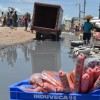
Marketing in the Mud Along the Dominican Border
Getting around on market day along the muddy border between the Dominican Republic and Haiti is almost impossible for those unfamiliar with the art of dodging the trucks, motorcycles and bicycles swerving amidst the messy piles of products scattered all over, and weaving among the hundreds of people coming and going between the two countries.
“The Truth is That All Problems Have Solutions” – Even Climate Change in Ethiopia
Eight years ago Kenbesh Mengesha earned an uncertain income collecting firewood from local government forests and selling them to her fellow slum-dwellers in Addis Ababa, Ethiopia. She would earn on average about 50 cents a day, if she was lucky.
Brazil Perfects Monitoring of Amazon Carbon Emissions
A new system to calculate the amount of greenhouse gases generated by deforestation in Brazil’s Amazon jungle region has come at a good time for assessing the effects of the reform of the country’s forest code.
Activists Protest Shell’s Arctic Oil-Drilling Plans
By mid-September, the Royal Dutch Shell Oil (Shell) group hopes to begin exploratory oil drilling in the Arctic Ocean off the coast of northern Alaska, provided it can secure federal permission from the U.S. government and overcome other logistical obstacles. But a prominent environmental group warns that drilling will do "irreparable damage" to the area.
Riding Towards Sustainable Development, on Bamboo
In Ghana, a country burgeoning with traffic congestion, increasing economic growth, and a stark urban-rural divide, making frames of bicycles out of bamboo could be the key to promoting sustainable development. It also makes stronger, longer-lasting bikes.
Beating the Weather With Sustainable Crops
Narrow, cobblestoned lanes separate the rows of mud houses with cool interiors and mud-smoothened patios, some with goats tethered to the wooden posts. This is Tajpura village, deep in this water-stressed, drought-prone region of northern India.As Green Climate Fund Finally Meets, Funding Remains Uncertain
Five months behind schedule, the board of the newest and largest international financing mechanism aimed at dealing with the effects of climate change, the Green Climate Fund, is finally slated to meet this week, just ahead of a late-summer deadline.« Previous Page — Next Page »


As unsustainable human consumption and production systems are driving changes in average temperatures and weather patterns, "abnormal" is increasingly becoming the norm. So far, a lack of financing has been standing in the way of a comprehensive global plan for climate adaptation, and a global financial crisis has contributed to an increasing reliance on public-private partnerships. Our Climate Change page provides you with the latest news about international and local efforts to address what's frequently been called "the challenge of our time", the forces behind the climate change and the impact it has on the world's most vulnerable populations. Along the way, we bring you stories on growing citizen awareness, new scientific data, and emerging climate policies towards sustainable development.

The Week with IPS

Tracking global progress towards a sustainable world

