Languages
Monday, November 9, 2026



News and Views from the Global South
Featured

‘This is not about Russia, this is about Multilateralism’
Q: Liechtenstein has just initiated a resolution at the United Nations that mandates a meeting of the General Assembly whenever a veto is cast in the Security Council. What’s behind this initiative?

A Move to Undermine the Anachronistic Veto Powers in the Security Council Gains Traction
The five permanent members (P5) of the UN Security Council (UNSC) – UK, US, France, China and Russia – have exercised their veto powers primarily to protect their own national interests or the interests of their close political and military allies.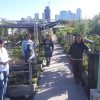
Women in Argentina Cultivate Dignity in Cooperative Vegetable Garden
The space consists of just 300 square meters full of green where there is an agro-ecological vegetable garden and nursery, which are the work and dream of 14 women. Behind it can be seen the imposing silhouettes of the high rises that are a symbol of the most modern and sought-after part of Argentina's capital city.
Road to European Dream Paved by Extortion and Exploitation
Last June, Mit Al Korama's youth gathered in front of one of their homes on a summer evening to tell stories of citizens from the village and neighboring villages who had successfully crossed the Mediterranean to Europe.
Black Women, the Most Oppressed and Exploited in Brazil
The Theater of the Oppressed helped her become aware of the triple discrimination suffered by black women in Brazil and the means to confront it, such as the Rio de Janeiro Domestic Workers Union, which she has chaired since 2018.
Kenyan Community Project Saving Forests, Saving Livelihoods
Despite an abundance of fisheries reserves along Kwale County’s lush coastline located on the south coast of Kenya, fishers can no longer cast a net just past the coral reef and expect an abundant crab or prawn harvest.
Addressing Gender-Related Barriers to COVID-19 Vaccinations to Ensure Vaccinations for All
As a global pandemic, COVID-19 and its continued impacts are unprecedented. Yet many of the challenges that emerged in public health responses to COVID-19 not only had precedence, but were predictable.
Migrants and Health Workers Play Complex ‘Game’ on Europe’s Fringes
Responding to several shouts Viraj emerges from the ruins of his shelter in northwest Bosnia. He is originally from India but is now squatting near Bihać in what remains of a house abandoned since the 1990s Balkans war.
The Arrogance of Ignorance: War in Ukraine, Religion and Abiding Ethnocentrism
“The war in Ukraine is a European …and a Christian… matter... It does not require the involvement of a colourful array of religions or people”. These words were uttered and affirmed by some European Protestant men, working in interfaith circles in Europe. The ‘colourful’ encompassed other than European, mostly Christian - and likely mostly male.
Commonwealth Climate Finance Hub to Boost Belize’s Delivery of Climate Change Projects
In September 2020, at the height of the COVID-19 pandemic, the UK-based Commonwealth Secretariat announced that it had dispatched highly skilled climate finance advisors to four member nations to help them navigate the often-complicated process of accessing climate funds. Belize, the Caribbean Community’s (CARICOM) only Central American member, was one of the recipients.
High Cost of Debt is Crippling Developing Nations: How can we Bridge the Finance Divide?
As the world is rocked by a confluence of crises, the global economic outlook for 2022 is becoming ever more uncertain and fragile. Prospects for sustainable development for all and achieving the Sustainable Development Goals (SDGs) by 2030 are bleak, particularly for developing countries.
Mexico Embraces Gas, Scorns Renewable Energy
At home, Isabel Bracamontes uses gas only for cooking. "We try to prepare food that doesn't need cooking, like salads," she says in the southeastern Mexican city of Mérida.
Malawi Counts Success of Polio Vaccination Drive after Detecting First Case in 30 Years
One polio case is one too many, global health experts say. And when Malawi announced in February this year that it had detected a polio case in the country’s capital Lilongwe, the alarm was significant, and the response from both the government and global health partners was swift, if not frantic.
Stop the War: Act for Justice, Climate & Peace
Russia’s war in Ukraine has left many communities facing catastrophe. In a world already wracked by multiple crises such as searing inequality and escalating climate change, this conflict is tearing through communities.
War in Ukraine & Rise in Arms Spending Undermine Development Aid to the World’s Poor
The unprecedented flow of arms to Ukraine, and the rising miliary spending by European nations to strengthen their defenses, are threatening to undermine development aid to the world’s poorer nations.
ECW, Strategic Partners Bring Relief to Child Refugees Fleeing Ukrainian Conflict
A brutal war now engulfs the young lives of an estimated 7.5 million children in Ukraine. Caught in the crossfire of bullets and missiles as the conflict escalates, children and young people have been plunged into a humanitarian crisis.
Global Impact of Ukraine War on Food, Energy & Finance Systems
Now, since the Russian Federation’s invasion of Ukraine, the world’s attention has been focused on the war’s terrifying levels of death, destruction and suffering.
Oil Crisis Offers Opportunities to the South and for the Green Energy Transition
The oil and gas supply crisis unleashed by the Russian invasion of Ukraine represents new business opportunities for the oil-producing countries of the developing South, both traditional and emerging, and also for accelerating the global transition to green forms of energy.
Food Systems Should Deliver Benefits in terms of Climate, Health and Society
Which country do you think best recognises the potential for changes to food systems to reduce emissions? Presumably a developed country, where agriculture is predominantly intensive, heavily subsidised and fuelled by fertilisers and irrigation, and where high consumption of animal proteins is the norm?
Kenya’s Ticking Bomb as Unemployed Youth Lured into Traffickers’ Dens
Ahmed Bakari’s ill-fated journey to ‘greener pastures’ started with a social media private message from a stranger back in 2017. The message said an international NGO was recruiting teachers and translators to work in Somalia.
Africa Commits to Green Recovery from COVID-19 Amid Daunting Challenges
Climate change activist Mithika Mwenda, the Executive Director of the Pan African Climate Justice Alliance (PACJA), is not reluctant to engage African governments to do what’s necessary to commit to post-COVID-19 green growth strategies.« Previous Page — Next Page »





The Week with IPS

NEXT STOP - SDGs
Tracking global progress towards a sustainable world
Tracking global progress towards a sustainable world
