Languages
Wednesday, November 11, 2026



News and Views from the Global South
Gender
Uneven Results in Bid to Halt Needless Mother and Child Deaths
Political, private sector and civil society leaders from around the world gathered here on Tuesday to recommit to a year-old initiative, Every Woman Every Child, which aims to prevent 16 million maternal and child deaths by 2015.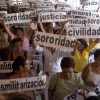
COLOMBIA: Victims of Sexual Violence Under Threat and on Their Own
"Another one? Another rape?" was the response Mari got at the Attorney General's Office in Colombia when she went to report what she had been through. "When they said that, I froze and got up and said 'Thank you, I’ll come back another day'," she told human rights defenders later.
ZAMBIA: Largely Peaceful Elections
Only two incidents of violence, triggered by the late start of voting and the suspicion of electoral fraud, were reported as Zambians went to the polls to elect a new president and government on Tuesday.
Ship of State Needs More Women at the Helm
Less than 10 percent of the world's political leaders are female, according to United Nations figures, but many of them were present Monday at U.N. headquarters in New York, where they reiterated calls for increased participation for women as critical to both economic development and democracy.Women Hung Out to Dry in Global Labour Market
Amid policy battles over food production, energy resources and economic decline, one untapped natural resource that is guaranteed to boost production on a global scale has been stubbornly overlooked – the power of women in the labour force.
ZAMBIA-ELECTIONS: Perpetrators of Violence Warned: ‘Expect No Mercy’
As Zambians go to the polls on Tuesday to elect a new government and president they do so amid fears of election violence.Accessible Micro-Loans Help Poor Women in Rural South Africa
While women still lag grossly behind men in terms of bringing home the bacon, a new entrepreneurship organisation, Financial Independence Through Entrepreneurship (FITE), is working to swing the balance of economic power in South Africa by providing micro-loans to hard-up women.
DADAAB: A Daily Prayer for Complication-Free Births
Dr. Beldina Gikundi's daily prayer is that the handful of malnourished pregnant Somali women who go into labour that day at the Dadaab refugee complex do not have complications, which might require a caesarean section. Because Gikundi knows that Somali cultural beliefs mean that she and her staff at Hagadera Hospital will most likely not be able to immediately operate on the women and save their lives and those of their unborn children.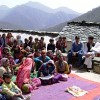
INDIA: ‘Missing Girls is About Femicide’
India has been ranked the fourth most dangerous country in the world for women, but the widespread practice of selectively aborting female foetuses may make it the most hostile to the female gender.NORTH KOREA: Women Wear Pants, Revive Markets
North Korea's communist government frowns upon women wearing pants, seeing it as a mark of ‘rotten bourgeois lifestyles.' Yet, wives, literally wearing pants, are selling goods in the local markets to supplement their husbands' meagre pay packets.
DOMINICAN REPUBLIC: Women Challenge Monopoly on “Men’s Jobs”
From a small office inside a public school on the eastern side of the Rio Ozama in the capital Santo Domingo, a programme operated by a local NGO, Ce-Mujer, has been leading a quiet revolution to empower women in the workplace for the last 13 years.World Bank, IMF Face Shifting Development Paradigm
Amid a global financial crisis that has shown little signs of reversing, next week's fall meetings of the International Monetary Fund and World Bank are crucial in setting the tone for rebounding world markets, to which leaders of the Bretton Woods institutions offered optimistic, yet ultimately vague, solutions in speeches this week.
NEPAL: No Brakes on Sex Trafficking
While a Nepalese campaign to stop human trafficking gains recognition by the White House and Hollywood, Nepal continues to be a prime source for sex trafficking, thanks to unsettled conditions created by a protracted political crisis.Finding Opportunity in a World of Seven Billion
Next month, the world's population will reach seven billion people, a landmark that the United Nations Population Fund (UNFPA) is hailing in its drive to raise awareness about the need for global cooperation to solve issues of development.
ZAMBIA: Social Media to Monitor Elections
When Zambians go the polls on Sep. 20 they will have the most effective team of observers monitoring the electoral process – themselves. Citizens, through social media, will be able to report offences and irregularities during and before the general elections.
INDIA: ‘Women Make Good Business Sense’
Harish Hande believes that involving women in design, manufacture and sales pays dividends in any business, but especially in those making products that women ultimately use.Unleashing the Power of Women and Girls
Kakenya Ntaiya was engaged at age five and would have been married by 13 if her mother had not insisted that she attend her small village school in Enoosaen, Kenya.IRAQ: Fight for Women’s Rights Begins All Over Again
When a middle-aged mother took a taxi alone from Baghdad to Nasiriyah, about 300 kilometres south earlier this year, her 20-year-old driver stopped on the way, pulled her to the side of the road and raped her. And that began a telling legal struggle.
Low-Cost Healthcare Goes High-Tech
Cell phones and computer applications can help save the lives of thousands of mothers and children worldwide.
Q&A: “Democracies Must Ensure Fair Gender Redistribution of Resources”
No matter how progressive laws to promote equality between men and women may be, without budgets with a gender perspective that allocate resources differentially, inequality will persist in Latin America.
JAMAICA: Women Coffee Farmers Seize a Plastic Lifeline
Jamaica's Blue Mountains are coffee country. Here, up among the clouds, farmers produce one of the world's most exclusive brands of boutique coffees.« Previous Page — Next Page »





Women make up half the world's population, but don't nearly share half of the world's wealth, well-being and opportunity. Two-thirds of the world poor are women, disproportionally exposing women to precarious living conditions, disease and unmitigated natural disasters. The media, meanwhile, remains a male-dominated sector in much of the world, contributing to women's voices lacking a crucial amplifier to put their concerns on political agendas and unleash the development potential of their ingenuity. Rather than then stereotypical victims of local and global forces, women are also organizer, innovators, conservators and community builders. These are some of their stories.

The Week with IPS

NEXT STOP - SDGs
Tracking global progress towards a sustainable world
Tracking global progress towards a sustainable world
