
Sunday, October 18, 2026



News and Views from the Global South
Women & Climate Change

Malawi’s Heroines of the Floods
For many women in Malawi’s disaster-prone southern district of Nsanje, resilience is essential to survive the cyclical flooding.
Rural Women in Peru Cope “Where Life Is Very Sad”
When the crops in her rural highlands community in southern Peru were covered with a thick layer of ice one night, Felícitas Quispe, 43, organised her neighbours to make an effort to keep people from starving to death.
U.N. Chief Fires Up Private Investment for Global Energy Solutions
Following a lukewarm outcome of the Rio+20 sustainable development negotiations in June, U.N. Secretary-General Ban Ki-moon is moving full-steam ahead on a new initiative aimed at leveraging public-private partnerships to bring modern energy to over one billion people by 2030.
Men and Women Farming Together Can Eradicate Hunger
Three years ago, the residents of the semi-arid Yatta district in Kenya’s Eastern Province lived on food aid due to dwindling crops of maize that could not thrive because of the decreased rainfall in the area. That was until a local bishop, trying to find ways to prevent mothers from forcing their teenage daughters into prostitution, changed everything.
Farming Among the Waste in Cameroon
Cameroonian urban famer Juliana Numfor has six plots of land where she grows maize, cassava, sweet potatoes and leafy vegetables, including cabbages, wild okra and greens.
Feminine Creativity in the Face of Natural Disasters in Cuba
Blanca Lima raises all her appliances above flood level, puts boxes of clothes on top of wardrobes, and fills the shelves she installed near the ceiling with all kinds of objects. In less than an hour, she is ready to evacuate her home in case of a flood in the Cuban capital.
“The Truth is That All Problems Have Solutions” – Even Climate Change in Ethiopia
Eight years ago Kenbesh Mengesha earned an uncertain income collecting firewood from local government forests and selling them to her fellow slum-dwellers in Addis Ababa, Ethiopia. She would earn on average about 50 cents a day, if she was lucky.
CLIMATE CHANGE: Caribbean Women Caught in the Storm
Incorporating a gender focus in public policies for confronting and adapting to the impacts of climate change is still a pending task in the Caribbean, despite women’s proven skills in risk and disaster management.
RIO+20: Promised Green Economy Was a Fake, Say Activists
When the Rio+20 summit on sustainable development ended Friday, there were winners and losers – mostly losers.
Will the World Listen to Women?
What does birth control have to do with reducing global emissions?
Nepal’s Female Farmers Fear Climate Change
When Arati Chaudhary’s husband left for India to find work as a migrant labourer, the job of managing farm and family fell on her slender shoulders.
Q&A: Battle for Human Rights in Rio Is “Far From Over”
Human rights should be explicitly recognised as an indispensable ingredient of sustainable development at the Rio+20 summit in Brazil, says Navanethem Pillay, United Nations High Commissioner for Human Rights.
Q&A: Women Must Be at the Forefront of Rio+20, and Beyond
Unlocking women's energies and allowing them to become drivers of change could fuel the motor of sustainable development.
MEXICO: Yearly Floods the New Reality for Rural Women
Year after year, women in rural areas of the southeastern Mexican state of Tabasco have to get ready for floods that threaten their homes, crops and livestock.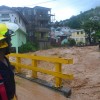
How Would You Measure Success at the Rio Summit?
When the heavily hyped three-day U.N. Conference on Sustainable Development (UNCSD) comes to a close in Rio de Janeiro Jun. 22, what would be the yardstick to measure its successes and failures?
EL SALVADOR Women Fight Blows from Climate Change with Sewing Machines and Eggs
Amanda Menjívar is moved by the sight of the 16 sewing machines donated to help a group of local women set up a sewing centre to get over the devastating effects of the disaster caused by Hurricane Ida in the Salvadoran town of Verapaz.
Climate Change and Family Planning – Twin Issues for LDCs
The reproductive rights agenda, from improving women’s access to education to systematic family planning to reducing birth rates and combating poverty, has become a cornerstone of most industrialised nations’ development policies toward the least developed countries (LDCs), comprised primarily of sub-Saharan African states.
Rural Women in Peru Key to Adaptation of Seeds to Climate Change
For ages, rural women in the Peruvian highlands have been selecting and storing seeds, ensuring their preservation. But the authorities have failed to tap into this storehouse of knowledge and experience, despite the contributions it could make to the design of effective policies for adaptation to climate change, which poses a growing threat to the women’s livelihoods.
Nothing to Show for Hard Work but Burnt Fields of Maize
Gertrude Mkoloi earns a living harvesting maize on a small piece of land in rural Zimbabwe. Or at least she used to.
While Men Go Drinking, Women Go Fishing
Climate change may have led to declining water levels in Genda Village in Zambia’s Eastern Province, but Mercy Mwanza and the women here discovered there was a positive side to it and found a new way to earn a living.
Q&A: “Women’s Leadership is Key to Ensuring Sustainable Development”
The vital role of women in creating a green economy will be highlighted at the United Nations Conference on Sustainable Development, to be held in Brazil in June.« Previous Page — Next Page »





For rural women in developing countries — the majority of the world’s farmers — global warming means harder work and diminishing returns. Drought, heat, floods, storms and forced migration disrupt harvest cycles and deny women and their families secure livelihoods. By improvising, organising and innovating, women are providing effective responses to the challenges imposed by climate change. They are at the forefront of sustainable farming, water harvesting, forest protection and the development of new skills and sources of income. Yet women from developing countries still play a minor role in the climate change debate. Why aren't their ideas, initiatives and experiences shaping national and international policy? This series of independent articles contributes to this discussion.

The Week with IPS

Tracking global progress towards a sustainable world
