Languages
Saturday, September 26, 2026



News and Views from the Global South
Women & Economy

Empower Rural Women for Their Dignity and Future
Rural women make major contributions to rural economies by producing and processing food, feeding and caring for families, generating income and contributing to the overall well-being of their households – but, in many countries, they face discrimination in access to agricultural assets, education, healthcare and employment, among others, preventing them from fully enjoying their basic rights.
Meet the 10 Women Who Will Stop at Nothing
On Apr. 6, 2013, Nadia Sharmeen, a crime reporter, was assigned to cover a rally organised by Hefazat-e-Islam, an association of fundamentalist Islamic groups in Bangladesh whose demands included a call to revoke the proposed National Women Development Policy.
From the Mountains to the Sea, Timorese Women Fight for More
In Timor-Leste, the gap between rich and poor is most keenly felt by rural women and children. But while women are working hard to help rebuild Timor-Leste, their contributions are not always recognised, in a country where men’s narratives still heavily dominate.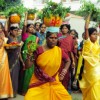
The 15 Journalists Putting Women’s Rights on the Front Page
Media coverage of maternal, sexual and reproductive health rights is crucial to achieving international development goals, yet journalists covering these issues often face significant challenges.
In India, an Indoor Health Crisis
For years, Kehmli Devi, a middle-aged woman from the village of Chachadeth in India’s northern Himalayan state of Uttarakhand, has prepared her family’s meals on a wood-burning stove.
By Girls, For Girls – Nepal’s Teenagers Say No to Child Marriage
If not for a group of her school friends coming to her rescue, Shradha Nepali would have become a bride at the tender age of 14.
Opinion: Let’s Grant Women Land Rights and Power Our Future
Women are not only the world’s primary food producers. They are hardworking and innovative and, they invest far more of their earnings in their families than men. But most lack the single most important asset for accessing investment resources – land rights.
Tech-Savvy Women Farmers Find Success with SIM Cards
Jawadi Vimalamma, 36, looks admiringly at her cell phone. It’s a simple device that can only be used to send or receive a call or a text message. Yet to the farmer from the village of Janampet, located 150 km away from Hyderabad, capital of the southern Indian state of Telangana, it symbolises a wealth of knowledge that changed her life.
Opinion: It’s Time to Step It Up for Gender Equality
If we look at the headlines or the latest horrifying YouTube clip, Mar. 8 – International Women’s Day – may seem a bad time to celebrate equality for women.
Opinion: Manipulate and Mislead – How GMOs are Infiltrating Africa
The most persistent myth about genetically modified organisms (GMOs) is that they are necessary to feed a growing global population.
Opinion: Goals for Gender Equality Are Not a ‘Wish List’ – They Are a ‘To Do List’
This weekend, at the invitation of President Michelle Bachelet and myself, women leaders from across the world are meeting in Santiago de Chile. We will applaud their achievements. We will remind ourselves of their contributions. And we will chart a way forward to correct the historical record. History has not been fair to women – but then, women usually didn’t write it.
Analysis: Economic Growth Is Not Enough
Recent new data show a worrying picture of Latin America and the Caribbean. Income poverty reduction has stagnated and the number of poor has risen — for the first time in a decade — according to recent figures from the Economic Commission for Latin America and the Caribbean.
Indigenous Food Systems Should Be on the Development Menu
Overcoming hunger and malnutrition in the 21st century no longer means simply increasing the quantity of available food but also the quality.
Biogas Eases Women’s Household Burden in Rural Cuba
On the blue flame of her biogas stove, it takes half as long for rural doctor Arianna Toledo to heat bath water and cook dinner as it did four years ago, when she still used electric power or firewood.
Sexist Laws Still Thrive Worldwide
A rash of sex discriminatory laws – including the legalisation of polygamy, marital rape, abduction and the justification of violence against women – remains in statute books around the world.
“HeForShe” Campaign Moves to the Next Stage
It launched in a blaze of social media glory with a viral speech that rocketed around the world, and five months on from the launch of U.N. Women’s groundbreaking HeForShe campaign, the real work is well underway.
U.N. Climate Talks Advance Link Between Gender and Climate Change
A week of climate negotiations in Geneva, Switzerland Feb. 8-13 are setting the stage for what promises to be a busy year. In order to reach an agreement in Paris by December, negotiators will have to climb a mountain of contentious issues which continue to overshadow the talks.
Women Pick Up the Slack as Fishing Declines on India’s Southern Coasts
Geeta Selvaraj and a few other women take turns to prepare meals with just one large gas cooker in a tiny shop.
Pakistan’s Domestic Workers Long For Low Pay and Overwork to Be a Thing of the Past
Sumaira Salamat, a mother of three in her mid-40s, works every day from ten in the morning until half-past two in the afternoon. She travels between three homes, and in each one she dusts, sweeps, washes utensils, and does the laundry. For her efforts, she earns about 3,000 rupees (29 dollars) per month.
From Bullets to Ballots: The Face of Sri Lanka’s Former War Zone
 In four months’ time, Sri Lanka will mark the sixth anniversary of the end of its bloody civil conflict. Ever since government armed forces declared victory over the Liberation Tigers of Tamil Eelam (LTTE) on May 19, 2009, the country has savored peace after a generation of war.

Antiguan Shanty Dwellers Ask if Poverty Will Be the Death of Them
It was early on a Saturday morning and there was no sign of life in the community. The shacks erected on both sides of the old, narrow road that winds through the area are all surrounded by zinc sheets which rise so high, it’s impossible to see what lies on the other side.« Previous Page — Next Page »


Around the world, women make great contributions to different economies. From the field of business, to carrying the bulk of unpaid care, women are essential to economic growth. However, due to gender inequality, women face economic discrimination. Taking many forms, including disproportionate wages, greater exposure to vulnerable employment, and reduced economic opportunity, this inequality continues to curtail economic development. Yet women continue to work past these obstacles and reduce this disparity, furthering economic empowerment. These stories help to identify women’s economic struggles, and those that are working towards empowerment.

The Week with IPS

NEXT STOP - SDGs
Tracking global progress towards a sustainable world
Tracking global progress towards a sustainable world
