Languages
Tuesday, November 24, 2026



News and Views from the Global South
Global Governance
Cold Spring Forecast in Iran-Turkey Relations
Ties between Turkey and Iran appear to be headed downward in the wake of Tehran's statement earlier this week that it would prefer not to hold the negotiations with the P5+1 group on its nuclear programme in Istanbul, as had been announced last week by Turkish Prime Minister Recep Tayyip Erdogan and U.S. State Secretary Hillary Clinton.
U.N. Taps Brazil’s Experience in Humanitarian Aid
On her first visit to Brazil, the United Nations humanitarian affairs chief Valerie Amos stressed the need to take advantage of this country’s experience in disaster response and the fight against poverty.
World’s Dictators More Scared of Tweets Than Opposing Armies
In his keynote address to the Global Colloquium of University Presidents at New York's Columbia University last week, U.N. Secretary-General Ban Ki-moon spoke of the growing power exercised by the world's younger generation in an age of high- speed technology and the information superhighway.Uzbekistan Takes Hardline Approach on Containing Turkish Soft Power
Religion is a wedge that is driving Uzbekistan and Turkey apart.
The Battle over Development-Led Globalisation
Industrialised countries have mounted an unprecedented campaign to stop the United Nations Conference on Trade and Development from providing policy advice to the poorest countries in Africa and across the globe.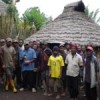
Where Bees Reform Gangsters
In the Kamanabe area of the rural Eastern Highlands in Papua New Guinea (PNG), a village gang has relinquished crime and is striving to contribute to the sustainable future of the local community with a honeybee income generating initiative.
Europe Urges More Development Aid for Women
Though United Nations experts agree that governments should focus on empowering girls and women as a key to managing a world of seven billion people, not enough is being done for women’s rights in developing countries, aid advocates say.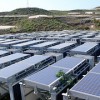
Oil Drilling Threatens Spain’s Renewable Energy Paradise
Environmentalists and local authorities are opposed to prospecting for oil in the waters off the Canary Islands, one of Europe’s leading tourist destinations and an area with great potential in the field of renewable energy.OP-ED: The Internationalisation of Tahrir Square
In the last week of July, the United Nations held its High Level Meeting on Youth as part of the closing of the International Year of Youth 2011 in the General Assembly. This year was definitely a historic year that witnessed the massive mobilisation and leadership of youth in the Arab world.Fresh Clashes in Syria Ahead of U.N. Mission
Fierce clashes have been reported between Syrian government forces and opposition fighters in Douma, near the capital Damascus, and in other parts of the country, amid doubts over the government's declared commitment to meeting an imminent ceasefire deadline.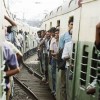
U.N. Warns of Staggering Urbanisation in Asia, Africa
Asia and Africa will account for a hefty 86 percent of all increases in the world's urban population in the next four decades, the United Nations said in a report released Wednesday.
Brazil Defends Credentials as Rio+20 Host
The government of Brazil, which will host the United Nations Conference on Sustainable Development (Rio+20) in June, defended itself from ecologists who lambasted its performance on the environmental front.European NGOs Put IFIs Under Microscope
European civil society organisations continue to demand that international financial institutions (IFIs) such as the World Bank and the International Monetary Fund apply the same standards of transparency and accountability to their internal affairs that they demand for governments across the world.
OP-ED: The United States as Number Two
Politicians in the United States must ritualistically assert that the U.S. is and always will be the world's leading economic, military and political power. This chant may help win elections in a country where respectable people deny global warming and evolution, but it has nothing to do with the real world.
Measure Progress in Happiness, Not Money, Bhutan Urges
Which is more important in human life: money or happiness? Can money buy happiness? According to the tiny Himalayan nation of Bhutan, the time has come for the world to pay closer attention to this age-old question.
U.S. Boosts Sudan Aid as Humanitarian Crisis Deepens
In a memorandum released Tuesday, President Barack Obama ordered the State Department to allocate additional humanitarian assistance funds for Sudan as famine looms for thousands of civilians caught between intensified levels of armed conflict along the borders of Sudan and South Sudan.
Q&A: U.S. Funding Cuts in UNESCO More Audible than Visible
When the 194-member General Conference of the U.N. Educational, Scientific and Cultural Organisation (UNESCO) was on the verge of admitting Palestine as a full-fledged member of the Paris-based U.N. agency last year, the United States warned against it - and threateningly.South Africa Looking to Make the Most of BRICS Membership
South Africa needs to stop agonising over whether it deserves to be in BRICS and start focusing on making the most of its membership to leverage better trade deals.
Q&A: “We Need to Change the Economics of Development”
After Latin America and the Caribbean's "lost decade" of the 1980s, the region has experienced a period of "light and shadow", says Alicia Bárcena, executive secretary of the U.N. Economic Commission for Latin America and the Caribbean (ECLAC).
BRICS Ministers Say New Trade Narrative Sinks Development
Trade ministers of the BRICS countries - Brazil, Russia, China, India and South Africa – say that at the G20 trade ministerial summit later this month in Mexico they will try to ensure that attempts by industrialised countries to frame a new trade agenda do not drown development-led trade liberalisation and the World Trade Organization talks.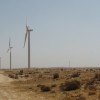
Wind Turbines Bring Relief and Resentment to Pakistan
"I still cannot fathom how electricity can be produced by the wind," said a nonplused Mohammad Ahmed, a 55-year-old local baker, as he gazed up at a row of giant wind turbines.« Previous Page — Next Page »


The Week with IPS

NEXT STOP - SDGs
Tracking global progress towards a sustainable world
