Languages
Thursday, November 19, 2026



News and Views from the Global South
Gender

India’s Economic Growth Leaves Human Development in the Dust
Ahead of the Universal Periodic Review (UPR) of India, a coalition of NGOs denounced the gap between the country’s growth rate and the rate of poverty, malnutrition and lack of health and sanitation.TAJIKISTAN: Divorce Spurs Female Labour Migration
Four years ago, Farida Hajimova's husband left Tajikistan to work in Russia. After a time, he stopped calling. Ultimately, he never returned. She was left at home in Dushanbe with two daughters and not a lot of options.
Nothing to Show for Hard Work but Burnt Fields of Maize
Gertrude Mkoloi earns a living harvesting maize on a small piece of land in rural Zimbabwe. Or at least she used to.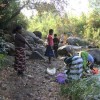
While Men Go Drinking, Women Go Fishing
Climate change may have led to declining water levels in Genda Village in Zambia’s Eastern Province, but Mercy Mwanza and the women here discovered there was a positive side to it and found a new way to earn a living.Calls for Angola to Investigate Abuse of Congolese Migrants
The Angolan government is being urged to carry out a thorough and independent investigation into allegations of sexual and physical abuse by its security forces against Congolese migrants.
Helping Victims of Post-Election Crisis Obtain Justice in Côte d’Ivoire
Thousands of people suffered rape, torture and other violence during the post- electoral crisis in Côte d'Ivoire beginning in December 2010. But many survivors of rights violations have been afraid to seek justice for fear of reprisals by the perpetrators. An initiative by the International Federation of Human Rights aims to support 75 such victims as they bring their cases to court.Parliamentarians Track Progress on Reproductive Rights
Have women around the world become more empowered in their reproductive health and rights over the past 18 years? This is one of the questions that some 300 parliamentarians from around the world will be examining when they meet in Istanbul, Turkey, this week for the Fifth International Parliamentarians’ Conference on the Implementation of the International Conference on Population and Development (ICPD) programme of action.Buenos Aires Offers Same-Sex Marriage to Foreign Couples
Foreign non-residents, gay or straight, can now get married in the Argentine capital, thanks to a resolution that removed bureaucratic obstacles and streamlined the procedure.
Q&A: How Sex Education Programs Can Shape a Better Future
In Latin American countries and in the Caribbean, where income disparities are among the greatest in the world, too many people often lack access to comprehensive health services and information needed to live healthy lives.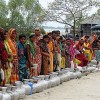
Caught Between Diarrhoea Bugs and Arsenic
Achieving the Millennium Development Goal of providing access to safe drinking water for its 160 million people by 2015 is a tough call for Bangladesh, which is caught between arsenic contaminated groundwater and diarrhoea-causing microbes in its ponds and rivers.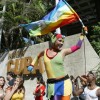
Cuban Activists Defend Sexual Rights as Human Rights
The Fifth Cuban Day Against Homophobia focused on recognising and including sexual rights as human rights, a cause increasingly advocated by activists demanding respect for sexual diversity in this Caribbean island nation.
Maternal Deaths Drop By Nearly Half
The statistics have remained staggering: every two minutes, a woman dies of pregnancy and child birth-related complications caused primarily by severe bleeding, infections, high blood pressure and unsafe abortions.
No Celebration for Mothers of the Missing in Mexico
Emma Veleta and Toribio Muñoz were married 40 years ago and had seven children, four boys and three girls. They lived in the town of Anáhuac, 100 km from the capital of the northern Mexican state of Chihuahua. But on Jun. 19, 2011, as they were celebrating Father’s Day, tragedy struck.Obama’s Gay Marriage Endorsement Makes Waves in the Caribbean
It is a widely recognised cliché that when the United States sneezes, the Caribbean catches cold.
Q&A: Women Farmers Are Key to a Food-Secure Africa
While women constitute the majority of food producers, processors and marketers in Africa, their role in the agricultural sector still remains a minor one because of cultural and social barriers.
Trans Community Celebrates Groundbreaking Gender Identity Law
Under a new law that recognises a broad range of rights for transvestites, transsexuals and transgender persons in Argentina, they will have the right to modify their legal documents to match their gender identity.
Tunisia’s Revolution is Just Beginning
Lingering violence, intolerance and oppression in Tunisia, following the ousting of former dictator Zine el-Abidine Ben Ali in January 2011, tells the revolutionaries who sparked the Arab Spring that their work is just beginning.
Africa’s Two Female Presidents Join Forces for Women
The only two female heads of state in Africa, Liberian President Ellen Johnson Sirleaf and Malawian President Joyce Banda, have just committed to using their positions to improve the lives of women across the continent.
Islamists Stall Gender Equality Bill
The fate of a gender equality bill pending in Indonesia’s parliament and aligned with the United Nations convention on the elimination of all forms discrimination against women (CEDAW) has become uncertain after falling afoul of powerful Islamist groups.
Q&A: “Women’s Leadership is Key to Ensuring Sustainable Development”
The vital role of women in creating a green economy will be highlighted at the United Nations Conference on Sustainable Development, to be held in Brazil in June.
Women and Children Look to Community Justice
A new community justice programme being rolled out in Papua New Guinea’s vast village court system is bringing international human rights-based laws to rural communities and boosting the protection and empowerment of women and children.« Previous Page — Next Page »


Women make up half the world's population, but don't nearly share half of the world's wealth, well-being and opportunity. Two-thirds of the world poor are women, disproportionally exposing women to precarious living conditions, disease and unmitigated natural disasters. The media, meanwhile, remains a male-dominated sector in much of the world, contributing to women's voices lacking a crucial amplifier to put their concerns on political agendas and unleash the development potential of their ingenuity. Rather than then stereotypical victims of local and global forces, women are also organizer, innovators, conservators and community builders. These are some of their stories.

The Week with IPS

NEXT STOP - SDGs
Tracking global progress towards a sustainable world
Tracking global progress towards a sustainable world
