Languages
Sunday, November 29, 2026



News and Views from the Global South


Migrants and Health Workers Play Complex ‘Game’ on Europe’s Fringes
Responding to several shouts Viraj emerges from the ruins of his shelter in northwest Bosnia. He is originally from India but is now squatting near Bihać in what remains of a house abandoned since the 1990s Balkans war.
The Arrogance of Ignorance: War in Ukraine, Religion and Abiding Ethnocentrism
“The war in Ukraine is a European …and a Christian… matter... It does not require the involvement of a colourful array of religions or people”. These words were uttered and affirmed by some European Protestant men, working in interfaith circles in Europe. The ‘colourful’ encompassed other than European, mostly Christian - and likely mostly male.
Commonwealth Climate Finance Hub to Boost Belize’s Delivery of Climate Change Projects
In September 2020, at the height of the COVID-19 pandemic, the UK-based Commonwealth Secretariat announced that it had dispatched highly skilled climate finance advisors to four member nations to help them navigate the often-complicated process of accessing climate funds. Belize, the Caribbean Community’s (CARICOM) only Central American member, was one of the recipients.
Sri Lankan Economic Crisis Inflicted by Self-Serving Elite
Once deemed a basic human needs success story, Sri Lanka (SL) is now in its worst economic crisis since independence in 1948. Nonetheless, SL’s ‘moment of truth’ now offers lessons for other developing countries.
High Cost of Debt is Crippling Developing Nations: How can we Bridge the Finance Divide?
As the world is rocked by a confluence of crises, the global economic outlook for 2022 is becoming ever more uncertain and fragile. Prospects for sustainable development for all and achieving the Sustainable Development Goals (SDGs) by 2030 are bleak, particularly for developing countries.
Mexico Embraces Gas, Scorns Renewable Energy
At home, Isabel Bracamontes uses gas only for cooking. "We try to prepare food that doesn't need cooking, like salads," she says in the southeastern Mexican city of Mérida.
Malawi Counts Success of Polio Vaccination Drive after Detecting First Case in 30 Years
One polio case is one too many, global health experts say. And when Malawi announced in February this year that it had detected a polio case in the country’s capital Lilongwe, the alarm was significant, and the response from both the government and global health partners was swift, if not frantic.
Stop the War: Act for Justice, Climate & Peace
Russia’s war in Ukraine has left many communities facing catastrophe. In a world already wracked by multiple crises such as searing inequality and escalating climate change, this conflict is tearing through communities.
War in Ukraine & Rise in Arms Spending Undermine Development Aid to the World’s Poor
The unprecedented flow of arms to Ukraine, and the rising miliary spending by European nations to strengthen their defenses, are threatening to undermine development aid to the world’s poorer nations.
ECW, Strategic Partners Bring Relief to Child Refugees Fleeing Ukrainian Conflict
A brutal war now engulfs the young lives of an estimated 7.5 million children in Ukraine. Caught in the crossfire of bullets and missiles as the conflict escalates, children and young people have been plunged into a humanitarian crisis.
Climate Risk Insurance in Pacific Small Island Developing States: Possibilities, Challenges and Vulnerabilities
The World Bank lists Fiji, Kiribati, Marshall Islands, Federated States of Micronesia, Nauru, Palau, Samoa, Solomon Islands, Tonga, Tuvalu and Vanuatu as Pacific Small Islands Developing States (PSIDS). . Some listings also include the Cook Islands, Niue and Tokelau. In September 2019, these countries had a combined population of 2.3 million spread over hundreds of islands spread over an area roughly equivalent to 15% of the surface area of the earth. Of these, the most populated country – Fiji – has a population of 900,000. The World Bank’s World Development Indicators reveal that annual per capita GDP of these islands fell from $4,340 in 2018 to $3,768 in 2020. It has probably fallen further during the pandemic.
Global Impact of Ukraine War on Food, Energy & Finance Systems
Now, since the Russian Federation’s invasion of Ukraine, the world’s attention has been focused on the war’s terrifying levels of death, destruction and suffering.
Oil Crisis Offers Opportunities to the South and for the Green Energy Transition
The oil and gas supply crisis unleashed by the Russian invasion of Ukraine represents new business opportunities for the oil-producing countries of the developing South, both traditional and emerging, and also for accelerating the global transition to green forms of energy.
Drugged Water: A New Global Pandemic Hiding in Plain Sight?
People around the world are unknowingly being exposed to water laced with antibiotics, which could spark the rise of drug-resistant pathogens and potentially fuel another global pandemic, warns a new report.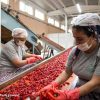
Food Systems Should Deliver Benefits in terms of Climate, Health and Society
Which country do you think best recognises the potential for changes to food systems to reduce emissions? Presumably a developed country, where agriculture is predominantly intensive, heavily subsidised and fuelled by fertilisers and irrigation, and where high consumption of animal proteins is the norm?
Kenya’s Ticking Bomb as Unemployed Youth Lured into Traffickers’ Dens
Ahmed Bakari’s ill-fated journey to ‘greener pastures’ started with a social media private message from a stranger back in 2017. The message said an international NGO was recruiting teachers and translators to work in Somalia.
Africa Commits to Green Recovery from COVID-19 Amid Daunting Challenges
Climate change activist Mithika Mwenda, the Executive Director of the Pan African Climate Justice Alliance (PACJA), is not reluctant to engage African governments to do what’s necessary to commit to post-COVID-19 green growth strategies.
US TV Networks Covered the War in Ukraine more than the US Invasion of Iraq
The evening news programs of the three dominant U.S. television networks devoted more coverage to the war in Ukraine last month than in any other month during all wars, including those in which the U.S. military was directly engaged, since the 1991 Gulf War against Iraq, according to the authoritative Tyndall Report. The only exception was the last war in which U.S. forces participated in Europe, the 1999 Kosovo campaign.
Tackling the Pandemic of Inequality in Asia and the Pacific
After two years of human devastation, the world is learning to live with COVID-19 while trying to balance the protection of public health and livelihoods. For countries in Asia and the Pacific, this is challenging not only because national coffers are heavily strained by record public spending to mitigate pandemic suffering, but also due to deeper structural economic issues.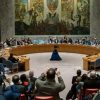
Why Africa is Divided Over the Russia-Ukraine War?
While the West has closed its ranks in response to the Russian invasion of Ukraine, the response in Africa has hardly been uniform. Following Russia’s military invasion of Ukraine on 24 February, various constituencies within the international community have reacted with a mixture of shock, anger, and trepidation as they ponder the invasion’s implications for international security.
China Debt Traps in the New Cold War
As China increases lending to other developing countries, ‘debt trap’ charges are growing quickly. As it greatly augments financing for development while other sources continue to decline, condemnation of China’s loans is being weaponized in the new Cold War.« Previous Page — Next Page »


Want to keep up with the latest news and views from the Global South? Sign up for IPS Daily News Report for daily emails with our top stories about international development, climate change, gender and more. (Formerly IPS TerraViva since 1993).

The Week with IPS

NEXT STOP - SDGs
Tracking global progress towards a sustainable world
