Languages
Wednesday, October 7, 2026



News and Views from the Global South
Water & Sanitation
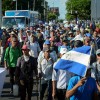
Nicaragua’s Interoceanic Canal, a Nightmare for Environmentalists
The international scientific community’s fears about the damage that will be caused by Nicaragua’s future interoceanic canal have been reinforced by the environmental impact assessment, which warns of serious environmental threats posed by the megaproject.
Opinion: Integrating Water, Sanitation and Health are Key to the Promise of the UN Global Goals
The 193 member states of the United Nations have adopted an ambitious 15-year sustainable development agenda, the 2030 Global Goals.
Bangladesh Facing Tough Climate Choices
Twice a week, 20-year-old Kulsum Begam, a young mother of two, spends over three hours gossiping with the neighbours.
Terrace Farming – an Ancient Indigenous Model for Food Security
Terrace farming as practiced from time immemorial by native peoples in the Andes mountains contributes to food security as a strategy of adaptation in an environment where the geography and other conditions make the production of nutritional foods a complex undertaking.
Water Remains Largely Marginalized in Climate Talks
U.S. Secretary of State John Kerry last week turned the spotlight on the “record number” of extreme weather-related events the world is witnessing these days.
Toasting to a More Sustainable Planet with Argentine Wine
The region of Cuyo in west-central Argentina is famous for its vineyards. But it is one of the areas in the country hit hardest by the effects of climate change, such as desertification and the melting of mountain top snow. And local winegrowers have come up with their own way to fight global warming.
Opinion: “Sanitation, Water & Hygiene For All” Cannot Wait for 2030
The new Sustainable Development Goals, agreed upon recently by the member states of the United Nations, are all interconnected, as has been reiterated time and again. However, it is in the new Goal 6 – “Ensure access to water and sanitation for all”—for which this interconnectedness is most apparent.
Healthy Oceans Key to Fighting Hunger
Seafood offers a large amount of animal protein in diets around the world, and the livelihoods of 12 percent of the global population depend directly or indirectly on fisheries and aquaculture.
Honduran Fishing Village Says Adios to Candles and Dirty Energy
A small fishing village on the Caribbean coast of Honduras has become an example to be followed in renewable energies, after replacing candles and dirty costly energy based on fossil fuels with hydropower from a mini-dam, while reforesting the river basin.
How to Fix Environmental Woes in Buenos Aires Shantytown
Children have been poisoned by lead in Villa Inflamable, a shantytown on the south side of the capital of Argentina. Resettling their families involves a socioenvironmental process as complex as the sanitation works in one of the most polluted river basins in the world.
Mental Health Another Casualty of Changing Climate
Jun* is in chains, tied to a post in the small house that resembles a fragile nipa hut. His brother did this to prevent him from hurting their neighbours or other strangers he meets when he’s in a ballistic mood. Jun has been like this for three years now, but since Typhoon Haiyan hit the Philippines two years ago, his symptoms have worsened.
World Running Out of Time to Save Oceans
The United Nations is posting a new environmental warning: the world is running out of time to prevent the gradual degradation of the world’s oceans and the widespread destruction of marine life.
Q&A: “We Must Put Everything Aside and Just Focus on Water”
Globally, more than 748 million people do not have access to safe drinking water. That is more than double the population of the entire United States.
Local Development, the Key to Legitimising Amazon Hydropower Dams
In the case of the Belo Monte hydroelectric dam in Brazil, the projects aimed at mitigating the social impacts have been delayed. But in other cases, infrastructure such as hospitals and water and sewage pipes could improve the image of the hydropower plants on Brazil’s Amazon rainforest rivers, turning them into a factor of effective local development.
Water, Climate, Energy Intertwined with Fight Against Poverty in Central America
Central America’s toolbox to pull 23 million people – almost half of the population – out of poverty must include three indispensable tools: universal access to water, a sustainable power supply, and adaptation to climate change.
Deliberate Targeting of Water Sources Worsens Misery for Millions of Syrians
Imagine having to venture out into a conflict zone in search of water because rebel groups and government forces have targeted the pipelines. Imagine walking miles in the blazing summer heat, then waiting hours at a public tap to fill up your containers. Now imagine realizing the jugs are too heavy to carry back home.
UAE Wins Hearts and Minds at World Exhibition in Milan
She only turned nine last June. But Mahra Mustafa has become a celebrity at the Expo Milan. She stars as Sara in ‘The Family Tree’, a short film on the UAE’s heritage being screened at the United Arab Emirates pavilion. Sara is in fact the face of young, dynamic and innovative Emirates.
Islamic Declaration Turns Up Heat Ahead of Paris Climate Talks
Following in the footsteps of Pope Francis, who has taken a vocal stance on climate change, Muslim leaders and scholars from 20 countries issued a joint declaration Tuesday underlining the severity of the problem and urging governments to commit to 100 percent renewable energy or a zero emissions strategy.
Latin America Should Lead in Protecting the Planet’s Oceans
Latin America should assume a position of global leadership by adopting effective measures to protect the oceans, which are threatened by illegal fishing, the impacts of climate change, and pollution caused by acidification and plastic waste.
Kashmir: Where a Pilgrimage Threatens a Delicate Ecosystem
As he struggled to find a section of the stream clean enough to rinse off his muddy shoes, Mohan Kumar, a Hindu pilgrim on his way to the holy Amarnath shrine in Indian-administered Kashmir, gazed with despair over the filth that lay thick on the landscape.
Caribbean Artists Raise Their Voices for Climate Justice
Award-winning St. Lucian poet and playwright Kendel Hippolyte thinks that Caribbean nationals should view the Earth as their mother.« Previous Page — Next Page »





The Week with IPS

NEXT STOP - SDGs
Tracking global progress towards a sustainable world
Tracking global progress towards a sustainable world
