
Friday, September 25, 2026



News and Views from the Global South
Food Security and Nutrition
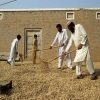
A Pakistani Farmer is Using Technology to Stop Agricultural Exploitation
Anas Shaikh is a Pakistani farmer on a mission to bring solutions to the many difficulties small and medium-scale farmer’s face in making a sustainable living.
Can Agricultural Apps Bring Indonesia’s Farmers Back to the Fields?
When his friends prodded him to use an agricultural app in July, rice farmer Mustafa reluctantly downloaded RiTx Bertani into his smart phone. Four months later, he feels happy to have given the technology a try.
La Niña Weather Phenomenon Could Endanger Colombia’s Food Security
After ten years without a strong La Niña weather phenomenon in Colombia, the climate pattern, coupled with the COVID-19 pandemic, could create a vacuum in food production and supply. Multilateral organizations, along with the Colombian government, are trying to implement measures to reduce malnutrition risk. Still, the population is already overwhelmed by a year of struggles that have deepened socio-economic differences.
Fixing the Food System to Produce Healthy Diets
As the world accelerates towards achieving the targets of the Sustainable Development Goals by 2030, it is time to replace the current broken food system. With only a decade left to reach the deadline, evidence shows that the way food is produced, processed and transported is not only destructive to the environment but it is also leaving millions behind.
How to Reap the Benefits of Food as Medicine
COVID-19 has magnified global food insecurity and is driving unhealthy eating and worsening malnutrition, food experts say. They have called for deliberate global investment in food as medicine on the back of growing diet-related illnesses.
Digitisation Could Transform African Agriculture
Placing an online order for farming inputs saves Velebantfu Dlamini about USD12 in transport fees for a round trip of about 320 kilometres. The 26-year-old vegetable farmer from Nkhungwini in the Shiselweni Region, south of Eswatini, uses a portal to order from the National Agriculture Marketing Board (NAMBoard) Farm Store. NAMBoard then delivers his order leaving Dlamini with time to stay in the field and look after his crops.
COVID-19 an Opportunity to Build Resilience around Food Systems
The Barilla Centre for Food and Nutrition (BCFN) has appealed to the United Nations to educate citizens to use their roles as consumers to create a momentum for change. This was ahead of the 2021 Food Systems Summit which the United Nations Secretary-General, António Guterres, will host on November 25 next year.
Securing Freedom to Eat
For Zimbabwean organic farmer, Elizabeth Mpofu, access to healthy food is liberation.Millions of people across the world go to bed hungry. Scores do not have access to nutritious food owing to an inequitable global food system focused on industrial mass food production. The food from this system is less nutritious, more expensive and less friendly to the environment.

Q&A: Next Decade Sufficient Time for a Food Revolution
In March, after the World Health Organisation first declared COVID-19 a pandemic, the World Food Programme (WFP) of the United Nations activated a global corporate emergency mechanism for the first time. It had already written to all donor countries asking for $1.9 billion in front-loaded funding, and had begun emergency procurement. Its priority was to sustain life-saving assistance first.
Q&A: Vote with your Fork for a World Free from Hunger
A world free from hunger is possible but only if we change how we grow and eat food. And resetting the food system — including all aspects of production, processing, marketing, distribution and the consumption and nutrition of food — is key to securing a sustainable food future post COVID-19.
UN Warns of an Impending Famine With Millions in Danger of Starvation
The numbers are staggering— as reflected in the ongoing coronavirus pandemic which has triggered a new round of food shortages, famine and starvation.
Sustainable Measures Help Farmers Script a Positive Story Amid COVID-19 Uncertainty
 As India continues to grapple with the COVID-19 pandemic and a growing number of deaths, farmers here have been fighting a battle of their own against volatile pricing, uncertain demand and lack of access to the market. But in the midst of all this uncertainty, one farming couple in a village near Hyderabad are working towards a food-secure future for themselves using eco-friendly farming techniques.
Food as Prevention – Rising to Nutritional Challenges
The risks factors contributing to the dramatic rise in non-communicable diseases (NCDs) in recent decades have been known for a long time but the Covid-19 pandemic has brutally exposed our collective failure to deal with them.
Does WFP Deserve the Nobel Peace Prize?
On 10 December, representatives for the World Food Programme (WFP) will in Norway receive the Nobel Peace Prize at the Oslo City Hall. This is taking place while the COVID-19 pandemic is causing lock-downs and suffering all over world, limiting agricultural production and disrupting supply chains.
From Paraguay to Italy: Development at All Costs
I am speaking with Gladys and Raúl about civic space in Paraguay, when Raúl suddenly tells me about the fires. Thick smoke has reached the capital Asunción where he is based. In October, Paraguay became Dante’s Inferno.
Driving Climate Change from the Top in the Dominican Republic
When President Luis Abinader arrived at his inauguration in an electrically driven car as a symbolic gesture of his Government’s intentions to make sustainable development one of its main objectives – he signalled the start of addressing climate change commitments in the country.
Using Traditional and Indigenous Food Resources to Combat Years of Successive Drought
For Zimbabwean farmer Sinikiwe Sibanda, planting more sorghum and millet than maize has paid off. As the coronavirus pandemic has led to decreased incomes and increased food prices across the southern African nation -- it is estimated that more than 8 million Zimbabweans will need food aid until the next harvest season in March -- Sibanda's utilisation of traditional and indigenous food resources could provide a solution to food security here.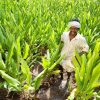
Why Food System Transformation Needs Water
The impact of Covid-19 on supply chains and food security has dealt a blow to the already faltering global development ambition of ending hunger.
Q&A: Food Systems need to Mimic Nature
Despite the World Food Programme (WFP) being awarded the 2020 Nobel Peace Prize for its work in addressing global hunger, sustainable food systems expert Emile Frison believes a lot more needs to be done. This includes the rethinking of approaches to agricultural production, establishing deeper relationships between consumers and producers, and taking a wholistic approach towards socio-economic factors.
Sustainability of Zimbabwe’s Natural Food Sources take a Knock Amid Growing Economic Crisis
Sarudzai Moyo, a former teacher, has begun a new career as a fishmonger. Once a week she makes the 450km journey from Bulawayo to Binga, on the shores of Lake Kariba, where she buys between 100 and 150 kilograms of fish for resale as the demand for cheaper dietary options increase in Zimbabwe.
Scientists Draw up Guidelines to Help Agri-food Companies Align with 2030 Agenda
In Amuru district, 47 kilometres from Gulu town in northwestern Uganda, the Omer Farming Company has proven that it is possible to farm on thousands of acres of land using methods that conserve the environment and its biodiversity.« Previous Page — Next Page »


More than 820 million people in the world are still hungry today, underscoring the immense challenge of achieving the Zero Hunger target by 2030. Hunger is rising in almost all subregions of Africa and, to a lesser extent, in Latin America and Western Asia. There is great progress seen in Southern Asia in the last five years, but the prevalence of undernourishment in this subregion is still the highest in Asia. A disturbing fact is that about 2 billion people in the world experience moderate or severe food insecurity. The lack of regular access to nutritious and sufficient food that these people experience puts them at greater risk of malnutrition and poor health. Although primarily concentrated in low- and middle-income countries, moderate or severe food insecurity also affects 8 percent of the population in Northern America and Europe.
In every continent, the prevalence rate is slightly higher among women than men.
With regard to nutrition indicators, if current trends continue, the 2030 SDG Target to halve the number of stunted children will not be met nor the 2025 World Health Assembly target to reduce the prevalence of low birthweight by 30 percent. The trends of overweight and obesity are additional reason for concern, as they continue to rise in all regions, particularly among school-age children and adults. The most recent data show that obesity is contributing to 4 million deaths globally and is increasing the risk of morbidity for people in all age groups.
The State of Food Security and Nutrition in the World, a joint report by the United Nations agencies, FAO, IFAD, WFP, UNICEF and WHO reaffirms their commitment to working together to overcome emerging challenges and free the world from hunger, food insecurity and malnutrition. The report shows that the global level of the prevalence of undernourishment has stabilised; however, the absolute number of undernourished people continues to increase, albeit slowly.


The Week with IPS

Tracking global progress towards a sustainable world
