Languages
Sunday, November 8, 2026



News and Views from the Global South
Projects

Opinion: A Legally-Binding Treaty to Prohibit Nuclear Weapons
Five years after the adoption of the NPT (Nuclear Non-Proliferation Treaty) Action Plan in 2010, compliance with commitments related to nuclear disarmament lags far behind those related to non-proliferation or the peaceful uses of nuclear energy.
In India, an Indoor Health Crisis
For years, Kehmli Devi, a middle-aged woman from the village of Chachadeth in India’s northern Himalayan state of Uttarakhand, has prepared her family’s meals on a wood-burning stove.
Newly Recognised Indigenous Rights a Dead Letter?
Nearly three years after the rights of El Salvador’s indigenous people were recognised in the constitution, there are still no public policies and laws to translate that historic achievement into reality.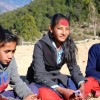
By Girls, For Girls – Nepal’s Teenagers Say No to Child Marriage
If not for a group of her school friends coming to her rescue, Shradha Nepali would have become a bride at the tender age of 14.
Tech-Savvy Women Farmers Find Success with SIM Cards
Jawadi Vimalamma, 36, looks admiringly at her cell phone. It’s a simple device that can only be used to send or receive a call or a text message. Yet to the farmer from the village of Janampet, located 150 km away from Hyderabad, capital of the southern Indian state of Telangana, it symbolises a wealth of knowledge that changed her life.
Women Leaders Call for Mainstreaming Gender Equality in Post-2015 Agenda
Women leaders from every continent, brought together by U.N. Women and the Chilean government, demanded that gender equality be a cross-cutting target in the post-2015 development agenda. Only that way, they say, can the enormous inequality gap that still affects women and children around the world be closed.
Families See Hope for Justice in Palestinian Membership of ICC
"I have lost all meaning in life after the death of my child, I will never forgive anyone who caused the tearing apart of his little body. I appeal to all who can help and stand with us to achieve justice and punish those who killed my child."
For Women in Asia, ‘Home’ Is a Battleground
Nearly half of the four billion people who reside in the Asia-Pacific region are women. They comprise two-thirds of the region’s poor, with millions either confined to their homes or pushed into the informal labour market where they work without any safeguards for paltry daily wages. Millions more become victims of trafficking and are forced into prostitution or sexual slavery.
Everyone Benefits from More Women in Power
Women’s participation in decision-making is highly beneficial and their role in designing and applying public policies has a positive impact on people’s lives, women leaders and experts from around the world stressed at a high-level meeting in the capital of Chile.
Syrian Conflict Has Underlying Links to Climate Change, Says Study
Was the four-year-old military conflict in Syria, which has claimed the lives of over 200,000 people, mostly civilians, triggered at least in part by climate change?
Bamboo – An Answer to Deforestation or Not in Africa?
Deforestation is haunting the African continent as industrial growth paves over public commons and puts more hectares into private hands.
Tobacco Workers in Cuba Dubious About Opening of U.S. Market
“We have to wait and see,” “There isn’t a lot of talk about it,” are the responses from tobacco workers in this rural area in western Cuba when asked about the prospect of an opening of the U.S. market to Cuban cigars.
Rousseff’s Brazil – No Country for the Landless
In Brazil, one of the countries with the highest concentration of land ownership in the world, some 200,000 peasant farmers still have no plot of their own to farm – a problem that the first administration of President Dilma Rousseff did little to resolve.
From the Police Station Back to the Hellhole: System Failing India’s Domestic Violence Survivors
“One time my husband started slapping me hard on the face because I had not cooked the rice to his satisfaction,” Suruchi* told IPS. “He hit me so hard that my infant daughter fell from my arms to the ground.”
Sometimes a Single Tree Is More Effective than a Government
Every morning, Raj Kumari Chaudhari walks from her home to the other end of Padnaha village, located in the Bardiya district of mid-west Nepal, to a big mango tree to offer prayers.
Families of ‘Desaparecidos’ Take Search into Their Own Hands
Carlos Trujillo refuses to give up, after years of tirelessly searching hospitals, morgues, prisons, cemeteries and clandestine graves in Mexico, looking for his four missing brothers.
Mobile Technology a Lever for Women’s Empowerment
Providing women with greater access to mobile technology could increase literacy, advance development and open up much-needed educational and employment opportunities, according to experts at the fourth United Nations’ Mobile Learning Week conference here.
Indigenous Storytelling in the Limelight
In recent years, the Berlin International Film Festival, known as the Berlinale, has established a European hub for indigenous voices across a number of platforms, including its NATIVe – A Journey into Indigenous Cinema series and Storytelling-Slams in which indigenous storytelling artists share their stories before opening the floor to contributions from the audience.
Better to Die at Sea, than Languish in Poverty
Weerasinghearachilage Ruwan Rangana had it all planned out last year in September: the big break that would change his life and those of his extended family had finally arrived.
Falling Oil Prices Won’t Derail St. Lucia’s Push for Clean Energy
At Plas Kassav, a roadside outlet in Canaries, a rural community in western St. Lucia, a busload of visitors from other Caribbean countries, along with tourists from North America and Europe, sample the 12 flavours of freshly baked cassava bread on sale.
From Brown to Green Again, Trinidadians Reclaim a Forest
 Thanks to committed involvement by the local community, the Fondes Amandes Community Reforestation Project has transformed this area of Trinidad from a bare, dusty hillside to one where tall trees flourish, fruit trees grow alongside flowering plants, and more wildlife returns each year.
« Previous Page — Next Page »





The Week with IPS

NEXT STOP - SDGs
Tracking global progress towards a sustainable world
Tracking global progress towards a sustainable world
