Languages
Friday, September 25, 2026



News and Views from the Global South
Reframing Rio
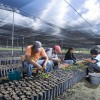
Food Security Slipping Ever Further Away
Continuing near-record high food prices around the world are highlighting international inattention to a looming threat, observers here warned on Friday.
Brazil Must Do More for Rio+20, Former Ministers Say
Former ministers, lawmakers and environmental experts in Brazil are urging the government to take a more proactive stance to prevent the United Nations Conference on Sustainable Development the country will host in June from falling short of the standard set by the preceding summit.
U.N. in Last Ditch Bid to Finalise Rio+20 Action Plan
The Rio+20 sustainable development summit, scheduled to take place in Brazil in June, is billed as a key meeting of world leaders who are expected to renew their political commitment and approve a wide-ranging plan for a greener future.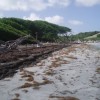
Caribbean to Take Strong Stance at Rio+20 Summit
The mandate will be very clear. Caribbean Community (CARICOM) delegates are going to Brazil in June for the Rio+20 United Nations Conference on Sustainable Development determined to show that it will not be business as usual.
Reaffirmation of Women’s Rights Key to Rio+20 Success
The Rio Declaration on Environment and Development, unanimously adopted by 178 governments at the June 1992 Earth Summit in Brazil, specifically recognised that "women have a vital role in environmental management and development."
The Business of South Africa’s Garbage
Nokwanda Sotyantya sits among heaps of garbage and patiently sorts through it, separating cardboard, plastic, glass, paper and metal, piece by piece. The recycled piles of trash are then weighed and sold to packaging manufacturers in South Africa that reuse the materials to create new products.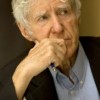
OP-ED: Getting the Market to Tell the Truth
Moving the global economy off its current decline-and-collapse path depends on reaching four goals: stabilising climate, stabilising population, eradicating poverty, and restoring the economy's natural support systems.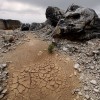
OP-ED: Where Economic and Environmental Prosperity Meet
One of the lesser-known catalysts of the 2011 Arab Spring uprisings was a global grain crop failure in 2010, caused by drought and flooding that year from Russia to Canada.
U.N. Warns of Staggering Urbanisation in Asia, Africa
Asia and Africa will account for a hefty 86 percent of all increases in the world's urban population in the next four decades, the United Nations said in a report released Wednesday.
Brazil Defends Credentials as Rio+20 Host
The government of Brazil, which will host the United Nations Conference on Sustainable Development (Rio+20) in June, defended itself from ecologists who lambasted its performance on the environmental front.
Q&A: “We Need to Change the Economics of Development”
After Latin America and the Caribbean's "lost decade" of the 1980s, the region has experienced a period of "light and shadow", says Alicia Bárcena, executive secretary of the U.N. Economic Commission for Latin America and the Caribbean (ECLAC).
Amid Global Uncertainties, Barbados Plots a Greener Future
When it comes to developing a "green economy", Barbados is leading its English-speaking Caribbean neighbours.
Rio+ 20 Suffers Leadership Void Weeks Ahead of Summit
When a landmark U.N conference on sustainable development kicks off in Brazil mid-June, more than 120 world leaders are expected to participate in the much-ballyhooed talkfest on the future of the global environment.
More Ecology, Less Economy for Rio+20
Hundreds of non-governmental organisations and social movements from around the world hope to counter the failure of the United Nations Conference on Sustainable Development (Rio+20), which they consider inevitable, with the success of the alternative People’s Summit.
World Congress Hopes to Enforce Commitments Made at Rio+20
World leaders may face an unexpected challenge come June, when a major global summit on sustainable development will be held in Brazil. Unlike during previous summits, these leaders might have trouble making promises they are unable to keep.
Jamaica’s Food Security Hinges on Shaky Agricultural Fortunes
Like its Caribbean neighbours, Jamaica is looking for outcomes that will address its food security challenges when world leaders meet in Rio de Janeiro for the United Nations Conference on Sustainable Development Jun. 20 to 22.
Q&A: Expo 2012 to Focus on Protecting World’s Marine Resources
The United Nations, which is hosting a major international summit on the global environment in Brazil in late June, points out that while the world's oceans account for 70 percent of the earth's surface, only one percent of this area is protected.
Urban Chicken-Keeping Movement Spreads Its Wings
With increasing concerns about the economy and environmental sustainability on the minds of many U.S. citizens, leaders in the grassroots movement to promote urban chicken-keeping report a renewed interest in their cause.
‘Green Morocco Plan’ Fails to Confront Climate Change
An unprecedented cold spell that struck Morocco in February and continues to linger well into March has raised serious questions about the country's national agricultural development programme, which will fail to achieve its desired results if climate change continues to be mismanaged.
World Wind Power Climbs to New Record In 2011
Wind energy developers installed a record 41,000 megawatts of electricity-generating capacity in 2011, bringing the world total to 238,000 megawatts.
Oceans Will Not Survive ‘Business as Usual’
Our oceans face a grim outlook in the coming decades. Ocean acidification, loss of marine biodiversity, climate change, pollution and over-exploitation of resources all point to the urgent need for a new paradigm on caring for the earth’s oceans—"business as usual" is simply not an option anymore, experts say.« Previous Page — Next Page »


The Rio Plus 20 United Nations conference on sustainable development in June 2012 raised hopes over ushering in an new development paradigm through scaled-up international commitment to equitable, climate-conscious growth. Its outcome was less sweeping, leaving the development, NGO and private sector to search for alternatives to address current and impeding crises caused by resource depletion, pollution and climate change, exacerbating endemic global inequality. This special section of our site covers the full spectrum of the Earth Summit, from the lead up to the height of the conference, while continuing to track post-Rio implementation and emerging initiatives for sustainable development.

Donors & Partners


International Institute for Environment and Development

This content has been produced with the financial assistance of the European Union. The content is the sole responsibility of IPS, and can under no circumstances be regarded as reflecting the position of the European Union.

Connect for Climate

Alliance of Communicators for Sustainable Development

This website is funded through the support of the International Fund for Agricultural Development (IFAD).
