Languages
Monday, October 26, 2026



News and Views from the Global South


Chile Looks to Volcanoes and Geysers for Energy
Chile is one of the countries with the greatest potential for geothermal energy development in Latin America, but a lack of incentives for investment in the sector has kept it from moving past the exploratory phase. A strategic partnership with New Zealand aims to change that situation.
Ecuador’s Indigenous People Still Waiting to Be Consulted
The Constitution of Ecuador adopted in 2008 establishes a broad range of rights for indigenous peoples and nationalities, including the right to prior consultation, which gives them the opportunity to influence decisions that affect their lives.
Opinions Deeply Divided Over Fracking in Argentina
The enthusiasm of the government and oil and gas companies over Argentina’s unconventional fuel potential has come up against fierce opposition from communities living near the country’s shale gas reserves and environmental organisations.
Carbon Credits Could Finance Improved Cookstoves in Mexico
Environmental organisations in Mexico are hoping to finance the promotion of fuel-efficient wood-fired cookstoves, which reduce harmful greenhouse gas emissions, through the sale of carbon credits on the voluntary market.
The Brazilian State of Pará, Where Land is Power
Toiling beneath a blazing sun in the humid heat of the Amazon, Waldemar dos Santos, 60, tends the community garden he shares with other landless peasant farmers in the Brazilian state of Pará, as they wait for agrarian reform to provide them with the opportunity for a better life.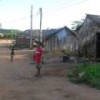
Pará, Where Land is Power
The landless peasant farmers occupying large landholdings in Pará, the Brazilian state where the land conflict is most violent, face threats ranging from intimidation by armed private guards to the spraying of toxic agrochemicals over their homes and crops.
Mexicans Develop Drones for Peace
Unmanned aerial vehicles (UAVs), better known as drones, have earned a bad reputation due to their controversial use by the United States in its “war on terrorism”, yet they have almost unlimited potential as tools for scientific research.
Prolonging the Life of the World’s Biggest Copper Mine
El Teniente, the world’s largest underground copper mine, has already been in operation since 1905, but the state-owned National Copper Corporation of Chile (CODELCO) wants to keep it running for another 50 years.
New Brazilian Research Centre Focuses on Health Risks of Smoking
Brazil has taken another step to combat the harmful habit of smoking with the creation of the Centre for Studies on Tobacco and Health (CETAB).
Spain Leads EU in GM Crops, but No One Knows Where They Are
Spain has more large-scale plantations of genetically modified seeds than any other country in the European Union (EU).
PERU: Stepping Up Protection for Native Groups in Voluntary Isolation
In the dense Amazon rainforest of Peru, there are five reserves inhabited by indigenous groups who have chosen to remain totally or partially isolated from the rest of society. But these areas are not officially demarcated as indigenous lands, and only one is protected with a control post.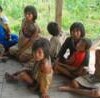
PERU: Stepping Up Protection for Indigenous Groups in Voluntary Isolation
In the dense Amazon rainforest of Peru, there are five reserves inhabited by indigenous groups who have chosen to remain totally or partially isolated from the rest of society. But these areas are not officially demarcated as indigenous lands, and only one is protected with a control post.
HONDURAS: Activists Protest Lack of Transparency in Extractive Industry
The Honduran government’s announcement of its plans to join the Extractive Industries Transparency Initiative (EITI) has raised expectations as well as doubts, particularly due to the speed with which it aims to complete a process that has taken several years in other countries of the region.
HONDURAS: Activists Protest Lack of Transparency in Extractive Industry Transparency Process
The Honduran government’s announcement of its plans to join the Extractive Industries Transparency Initiative (EITI) has raised expectations as well as doubts, particularly due to the speed with which it aims to complete a process that has taken several years in other countries of the region.
Brazilian-Made Plastic Solar Panels, a Clean Energy Breakthrough
As part of the country’s growing emphasis on green tech research, Brazilian scientists have developed plastic solar panels that could revolutionise power generation from this clean, renewable energy source.
“We Aren’t Fighting Poverty Here, We’re Improving the Quality of Life”
The residents of San Crisanto, a small communal village nestled in an idyllic setting in the southeastern Mexican state of Yucatán, have learned that valuing and protecting natural resources can generate employment and income.
Indigenous Community Takes Forest Law into Own Hands
An indigenous community in Brazil has decided to single-handedly take action against illegal loggers who are moving into their territory in search of highly valued timber.
“Eco-Reconstruction” Still an Impossible Dream for Chilean Village
The reconstruction of the fishing village of Boyeruca, destroyed by the tsunami that swept over central-south Chile on Feb. 27, 2010, was meant to serve as a model of ecological and sustainable reconstruction.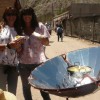
Carnival Food Carts Go Solar in Northern Argentina
It’s carnival time in sunny northwest Argentina, and as usual, food vending carts are everywhere. But some of the carts are different this year: they offer food cooked on the spot – by the sun.
Saving Heat from Going Down the Drain
Whenever hot water from the kitchen tap or the bathroom shower goes down the plughole, a substantial amount of heat energy goes with it. In some German buildings this is being recovered and used to heat buildings in the winter and run air conditioning systems in the summer, representing a real energy-saver.
Escaping to Ecovillages in Argentina
Almost imperceptibly, sustainable settlements that combine community living with the preservation of natural resources have mushroomed across Argentina as an alternative to rampant consumerism.« Previous Page — Next Page »





Tierramérica is the main communications platform on sustainable development and the environment in Latin America and the Caribbean. It is produced by IPS Noticias, the agency’s Spanish-language service, which created it jointly with the United Nations Development Programme (UNDP) and the United Nations Environment Programme (UNEP), with later support from the World Bank. The weekly editions of Tierramérica are published in Spanish, Portuguese and English and are picked up and printed by dozens of media outlets in the region. Follow us on Facebook and Twitter.

From the Frontline of Environment
Supported by

Tierramérica en Español

Terramérica em Portuguese

