Languages
Thursday, November 19, 2026



News and Views from the Global South
Africa
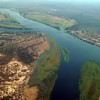
Floodwaters Rising Across Southern Africa
As South Africa declares a national disaster due to flooding, other countries in the region hold their breath while water levels continue to rise.
Mozambique Prepares for Worst Floods in 10 Years
Flood alert levels are on orange in parts of Mozambique as disaster management services mobilise to respond to flooding potentially as bad as the catastrophe in 2000.
COTE D’IVOIRE: New Techniques, New Profits for Tomato Farmers
Even while the country has faced civil war and political crisis, innovative research organisations have worked to meet the challenges of food security and rural poverty.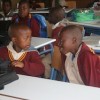
SWAZILAND: Free Primary Education – If You Can Afford It
The new school year opened with hope - and hunger - in Swaziland this week: an estimated 140,000 orphans and vulnerable children are among the small, eager faces in the mountain kingdom's classrooms. Poverty and the AIDS pandemic threaten to make an early mark on the next generation.
Malawi Missing Its Local Government
An hour and fifteen minutes each day: Melina Kalunga has plenty of time to measure how long it takes to resolve a legal battle over Malawi's Electoral Commission.
MALI: Cotton and Food Security Closely Linked
Many Malian farmers are boycotting cotton this year, instead planting cereals. Cotton isn't edible, but observers say that the shift could weaken food security.
MAURITIUS: Renewable Energy Gets a Boost
A new initiative to support production of renewable energy in Mauritius may provide a model for other countries to follow suit.Health System Failing Nigeria’s Youngest Citizens
Despite some progress, Nigeria is lagging behind its peers in reducing deaths among children under five. The mortality rate remains worryingly high for newborn infants - 700 children less than 28 days old die in the country every day.RIGHTS-DR CONGO: Soldiers Accused of Rape Arrested
The reported arrests of ten Congolese soldiers accused of looting stores and raping at least a dozen women in the Fizi District earlier in January is not enough to reassure local civil society.
SOUTH SUDAN: Women Dream of Independence
John Garang, the revered late leader of the Sudan Peoples' Liberation Movement, once said that women are the "the poorest of the poor and the marginalised of the marginalised". As the reality of an independent South Sudan approaches, the region's women have vowed they will not remain second class citizens.
ZIMBABWE: Protecting the Zambezi’s Kapenta Fish
"The fish are disappearing." The words and the world-weary gaze could belong to a fisherman from almost anywhere, as stocks come under pressure due to over-exploitation all over the world.
South Sudan Voters Die in Ambush
At least 11 more people have been killed in violence over southern Sudan's historic referendum, officials have said.
Women’s Initiation in Zambia: Dancing in Bed
Staying in Chawama, a compound outside Zambia's capital Lusaka, I spent many an evening chatting to the local women as they sat outside and cooked on their charcoal braziers. It intrigued me how a lot of the gossip would come back to one topic: the importance of 'chinamwali', the traditional initiation training most Zambian women go through before they get married.DEATH PENALTY: Perception of Crime an Obstacle to Abolition
The past year has seen mixed fortunes for activists working towards abolishing the death penalty in Africa. Togo and Burundi joined the ranks of African states that have removed capital punishment from their statutes, while Gambia extended its application to new offences.
DR CONGO: Promise of Potable Water for Kikwit
When the ground is broken for the Kakobola dam, engineers just might be able to hear the jubilation in the city of Kikwit, 200 kilometres away. The city's million residents are desperate to improve their water supply.
ELECTION-WATCH: Stakes High in What Might be Africa’s 55th State
South Sudan is memorable for unbearably high heat, persistent noise from the generators that help cool the temperatures and glaring poor infrastructure.ECONOMY: South Africa Prepares to Head Into the BRIC fold
South Africa’s inclusion in the BRIC group of powerful emerging economies has sparked intense debate, with some saying it has done itself a disservice by trying to punch above its weight, and others lauding the inclusion as a step towards becoming a more important player on the global stage.
KENYA: No Easy Path for Disabled Women with Political Dreams
"People living with disability face all sorts of discrimination. We are discriminated against at job interviews in schools. Everyday is a battle to remain positive in the face of a world that is too bent on dismissing those among us that do not meet the standard of what is normal", explains Mishi Juma, a disabled community leader from the Coast region.ZIMBABWE: In the Eye of the HIV/Aids Storm
Teenage commercial sex workers are finding themselves at the centre of the HIV/AIDS storm amid concerns of widespread lack of condom use and a spike in the number of infections among this demographic, despite the country’s continuing HIV/AIDS campaigns, which health authorities say has seen a drop in prevalence in the past few years.
ELECTION-WATCH: Countdown Begins to Southern Sudan Referendum
"We want an independent country of our own that is Southern Sudan, and we want a new country". Calm and with a passion in his voice, the secondary school teacher, John Kiri, a native from Juba explained the excitement he is feeling for Sunday’ referendum.
ECONOMY: Namibia Embarks on Nuclear Policy
Namibia is set to develop its rich uranium resources and intends to pursue uranium enrichment locally. It also plans to build its own nuclear electricity plant.« Previous Page — Next Page »


The Week with IPS

NEXT STOP - SDGs
Tracking global progress towards a sustainable world
Tracking global progress towards a sustainable world
