Languages
Saturday, November 21, 2026



News and Views from the Global South
Latin America & the Caribbean
Shift in Latin America’s Approach to Drugs – from Security to Health Issue
The drug problem should be tackled not as a security issue but as a public health question, with policies for "prevention, treatment and rehabilitation," delegations from the 34 countries participating in the 43rd General Assembly of the Organisation of American States agreed.
Isolated Amazon Indians Under Pressure in Ecuador
Reports of another massacre in an isolated indigenous community in Ecuador's Amazon region cast doubt on the state's compliance with precautionary measures imposed in favour of uncontacted peoples in 2006 by the Inter-American Commission on Human Rights.
Gay Parents in Cuba Demand Legal Right to Adopt
Many lesbians and gays in Cuba find different ways of achieving their dream of becoming mothers and fathers and forming families. But this is complicated in a country where neither civil unions nor adoption by non-heterosexual persons are legally recognised.
Despite Peace Talks, Forced Displacement Still Climbing in Colombia
Drugs and arms traffickers are muscling in on Colombia's Pacific coastal region, forcibly displacing local people, according to a new report by the Consultancy for Human Rights and Displacement (CODHES).
Ecuador’s Fragile Páramo Ecosystem Threatened by Climate Change
The “páramos” or high plateaus of Ecuador, a crucial source of water, are showing signs of extreme fragility and a troubling loss of capacity to conserve this vital resource and sustain the survival of numerous species found nowhere else on earth.
Q&A: “The State Does Not Lose Sovereignty If It Respects Indigenous Rights”
"There is a belief that consent is about saying yes or no, about who wins," observed James Anaya, the United Nations special rapporteur on indigenous rights. But consultation with indigenous peoples is a matter of “creating open processes where they can voice their opinions and influence decisions, and where there is the necessary will to seek consensus.”
Q&A: Weather Forecasts to Prevent Strokes and Asthma Attacks in Cuba
A biometeorological forecast model developed in Cuba to sound the alert on weather conditions that exacerbate chronic diseases like asthma, hypertension and vascular disorders could also help predict the impacts of climate change on health.Poverty No Longer Explains School Dropout in Argentina
Poverty no longer explains the high secondary school dropout rate in Argentina, one of the richest countries in Latin America.
Healthcare for Native People in Brazil Is Ailing
Healthcare for Brazil’s indigenous minority is in poor health, according to U.N. experts, missionaries, social workers and native people themselves.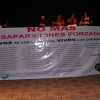
Mexico’s Desaparecidos: Unspoken, Unseen, Unknown
The last time Enrique Rangel heard his brother Héctor's voice was on the night of Nov. 10, 2009, when he called and said “they’re coming, they already stopped me and asked for money, and I already paid, but they’re coming.”
Native People More Than Just Park Rangers
Some good-byes can actually mean the start of a long road working together. That was how it felt at the end of the World Indigenous Network (WIN) conference in this northern Australian city.
U.S., China Woo Caribbean “Friends” Just Days Apart
First it was U.S. Vice President Joe Biden, who travelled to Trinidad and Tobago Tuesday to speak with "our friends” in the Caribbean.
Nicaraguan Women May Have to Negotiate with their Abusers
Conservative sectors in Nicaragua have launched an offensive against the Comprehensive Law Against Violence Toward Women, seeking amendments including an obligation for women victims to negotiate with their abusers, human rights groups reported.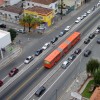
Brazil Floors Gas Pedal on Bus Rapid Transit
Brazil, and especially the city of Rio de Janeiro, is experiencing a boom in bus rapid transit (BRT), a public transport system that now has an internationally-recognised quality standard.
Sharing Indigenous Knowledge from All Ends of the Globe
This city in northern Australia brought them together to share their experiences this week. They are indigenous Shipiba people fighting indiscriminate logging in Peru’s Amazon jungle region and delegates from the Ando-Kpomey community in Togo, which created and protects a 100-hectare forest.
Post-Coup Polarisation Marks Honduran Election Campaign
The unhealed wounds left by the 2009 coup in Honduras will continue to mark the campaign for the Nov. 24 elections, in which nine parties are participating, four of them new political groups, spanning a wide ideological range.
Cuba to Open Public Internet Outlets – at 4.50 Dollars an Hour
Cuba will continue to prioritise public Internet access over connectivity in private homes, as indicated by a government announcement Tuesday that 118 new public cyber salons would open nationwide as of early June.
Guardians of the Land and Sea Meet in Darwin
“Are you a park ranger?” IPS asked. “No, I am one of the owners of the territory,” Ángel Durán responded in a firm voice. The Bolivian indigenous leader is in this northern Australian city along with 1,200 other native delegates from over 50 countries for the World Indigenous Network (WIN) conference.
Key Land Reform Accord in Colombia’s Peace Talks
Colombian government and guerrilla delegates have announced an agreement on the question of land reform – an important step in the peace talks that began six months ago in Havana.
Poverty Down in Argentina – But By How Much?
In the 10 years since late president Néstor Kirchner, who was succeeded by his wife Cristina Fernández de Kirchner in 2007, first took office in Argentina, poverty has fallen, employment has climbed and educational coverage has expanded, although there is no agreement on the exact statistics.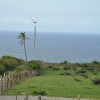
Wind Power Finds a Toehold in Green-Minded Nevis
When it comes to generating clean energy and reducing costs, the tiny Caribbean island of Nevis considers itself the leader within the nine-member Organisation of Eastern Caribbean States (OECS).« Previous Page — Next Page »


The Week with IPS

NEXT STOP - SDGs
Tracking global progress towards a sustainable world
Tracking global progress towards a sustainable world

