Languages
Tuesday, November 10, 2026



News and Views from the Global South
IPS UN Bureau
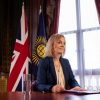
Eight International Development Priorities for the new UK Prime Minister
The UK’s new Prime Minister (and former Foreign Secretary), Liz Truss, enters Downing Street with a full and urgent in-tray, dominated by the highest inflation rate for 40 years and concerns across the country about the cost-of-living crisis.
1980s’ Redux? New context, Old Threats
As rich countries raise interest rates in double-edged efforts to address inflation, developing countries are struggling to cope with slowdowns, inflation, higher interest rates and other costs, plus growing debt distress.
The Right Policies Can Protect the Workers of Asia and the Pacific
Most of the 2.1 billion strong workforce in Asia and the Pacific are denied access to decent jobs, health care and social protection but there is an array polices and tools that governments can use to remedy these deficiencies and ensure that the rights and aspirations of these workers and their families are upheld and that they remain the engine of economic growth for the region.
Malawian Farmers Reap More from Sunflower, Chillies
Having harvested and graded their sunflower crop instead of taking it to market, every member of Zikometso Productive and Innovation Centre (IPC) brings their produce to the factory for cooking oil production. The IPC falls under the National Smallholder Farmers Association of Malawi (Nasfarm).
A Plea for the Creation of a UN Youth Assembly
There are many ways the UN can have a sizeable role in promoting the engagement and participation of youth and helping them becoming a central pillar of a new way of doing policy-making.
Transforming Girls’ Education, Changing The World
As we approach this year’s Transforming Education Summit, global leaders can and must prioritize expertise and mobilize political will to support efforts to ensure inclusive and quality education for all, especially girls. This is at the heart of Sustainable Development Goal 4 in the 2030 Agenda for Sustainable Development, as well as the commitments made in the Charlevoix Declaration and the G7 Declaration on Girls’ Education.
From Worm Composting to Biofuels, the Caribbean Seeks Solutions to Seaweed Influx
In June 2022, swathes of matted, putrid seaweed took over the shores of beaches across the Caribbean. It was the worst seaweed influx reported since 2011, when ocean currents began depositing tons of the brown seaweed, known as Sargassum, across the region, leaving authorities grappling with the severe ecological and economic fallout.
Building Resilience in the Philippines Through Sustainable Livelihoods and Psychosocial Support
Elvie Gallo no longer hangs around her local grocery store, hoping for the odd job to put food on the table. Her hand-to-mouth life has been replaced by a viable chicken rearing and selling business in Iloilo province in the Philippines.
Africa Should Trade its Carbon Credits to Fund Renewable Energy – UNECA
Africa needs to trade in carbon credits to reduce greenhouse gas emissions, finance the transition to renewable energy, and boost economic development, the United Nations Economic Commission for Africa (UNECA) says.
Mental Health as a Human Right Left Behind for Children in Fragile and Humanitarian Settings
Hiding in basements during bombings, fleeing their homes, going hungry, and facing the devastating and life-transformative traumas of losing their loved ones as their childhoods go up in flames of war. These are the lived experiences of crisis-impacted children and adolescents.
Humanitarian Crisis Unfolds With Pakistan in the Eye of Fiercest Climate Change Storm
 The heavy and incessant monsoon downpours across Pakistan in the last two months have triggered floods wreaking havoc across the country, submerging entire villages and vast tracts of land and entrapping people. Anything coming in the way of the relentless water is being destroyed, including roads, bridges, and standing crops.
Shaping Our Digital Future
Asia and the Pacific is the most digitally divided region of the world, and South-East Asia is the most divided subregion. The Covid-19 pandemic detonated a “digital big bang” that spurred people, governments and businesses to become “digital by default;” a sea change that generated vast digital dividends. These benefits that have not been distributed equally, however. New development gaps have emerged as digital transformation reinforces a vicious cycle of socioeconomic inequalities, within and across countries.
How France Underdevelops Africa
Most sub-Saharan African French colonies got formal independence in the 1960s. But their economies have progressed little, leaving most people in poverty, and generally worse off than in other post-colonial African economies. Decolonization? Pre-Second World War colonial monetary arrangements were consolidated into the Colonies Françaises d’Afrique (CFA) franc zone set up on 26 December 1945. Decolonization became inevitable after France’s defeat at Dien Bien Phu in 1954 and withdrawal from Algeria less than a decade later.
Will the Diplomat, Accused of Rape, be Prosecuted at Home?
When UN diplomats are charged with civil or criminal offenses – from traffic violations to sexual abuse -- they avoid prosecution and civil law suits under cover of diplomatic immunity. It’s a privilege exercised by diplomats worldwide—including US diplomats in overseas postings.
In Zimbabwe, Auxillia Mnangagwa is Following in Grace ‘Gucci’ Mugabe’s Path
On Friday, November 24, 2017, Emmerson Mnangagwa was sworn as interim leader during a colourful ceremony at the National Sports Stadium in the capital Harare, after the ouster of President Robert Mugabe in a military coup more than a week before.
The Journey to Defend Human Rights Never Ends
As you know, after four years as the UN High Commissioner for Human Rights, my mandate ends next week, on 31 August. The world has changed fundamentally over the course of my mandate.
The World Owes the Rohingyas their Right to Human Dignity
It has been five years since the forced exodus of the Rohingyas from Myanmar, and their plea for justice and accountability continues.
Keeping Hope Afloat in a Sea of Uncertainty
“I think I’m making a difference. I’m really helping,” Hanadi tells me, as she reflects on her work in the Za’atari refugee camp in Jordan.
UN Labour Report Highlights Employment Challenges for Youth
When COVID-19 prompted economic shutdowns across the globe, many analysts predicted that youth would be especially at risk. This is because young people tend to have fewer economic assets and limited experience in the labor market.
Thinking Like a Tree – A Tribute to Life Sustainers
When I was a child, a friend asked me: “How would you describe a tree to someone who has never seen one?” I looked at the trees surrounding us and realised it was impossible, considering their versatility, beauty and utter strangeness. Since that time, I have often wondered about trees, as well as I have been worried by the indiscriminate destruction of trees and forests.
A Stress Test for Nuclear Deterrence
This month, the Tenth Review Conference of the Non-Proliferation Treaty (NPT) is taking place in New York (and scheduled to conclude August 26). The meeting of states parties, postponed four times because of the Covid-19 pandemic, had originally been scheduled for April 2020.« Previous Page — Next Page »





The Week with IPS

NEXT STOP - SDGs
Tracking global progress towards a sustainable world
Tracking global progress towards a sustainable world
