Languages
Saturday, November 7, 2026



News and Views from the Global South
Millennium Development Goals (MDGs)

Increased Investment in Zambia’s Resources Means Displacement of Rural Poor
As social movements blasted the "new green economy" proposed at Rio+20 this week, environmental activists in Zambia worried about the role that poor people, especially those in rural areas, are going to play in it.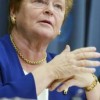
RIO+20: Promised Green Economy Was a Fake, Say Activists
When the Rio+20 summit on sustainable development ended Friday, there were winners and losers – mostly losers.
Mauritian Farmers Hooked on Fair Trade
In finding a way to survive a 36 percent cut in sugar prices, Mauritian farmers are not only exporting a variety of fruit and vegetables to the European Union, but they have also begun farming in a more environmentally sustainable way.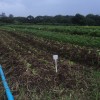
Agroecology Proves Cheap and Efficient on Brazilian Farm*
An agroecological farm outside of Rio de Janeiro is a testing ground for scientists and agronomists in Brazil, who have worked there for two decades to show that it is possible to produce a wide range of natural agricultural products in a cheap, efficient way that harms neither the environment nor human health.
In One Haitian Camp, Life Offers Hardship and Little Hope
In the remote, dusty and barren area of northern Port-au-Prince, Cannon Camp houses nearly 6,000 displaced Haitians in tiny and cramped spaces. Nestled among the smattering of tents is the home of a 50-something-year-old mother of 12.
Earth Summits Fail Biodiversity in India
Heads of state and governments are meeting in Rio de Janeiro this week to decide how to renew their pledges made during the first Earth Summit held in Rio in 1992.
Mauritanian Cooperative Contributes to Meeting Need for Vegetables
Fourteen years ago, unemployed and discouraged by a failed business venture, Mohamed Ould Abderrahmane turned to farming. Today the cooperative he set up to grow vegetables on the outskirts of the Mauritanian capital, Nouakchott, employs several dozen people and provides its members with a handsome income.
Food Crisis Empties Niger Schools
Since December 2011, the food crisis in Niger has displaced large numbers of people from areas of scarcity to parts of the country that enjoyed better harvests. The social impacts for these internal migrants are serious, not least in terms of disruption of education.
Brazil Takes Steps to Confiscate Property of Landowners Using Slave Labour
Today, in the 21st century, there are still tens of thousands of Brazilians subjected to slave-like working conditions. Last year alone, 2,501 workers were freed from this situation by Ministry of Labour inspectors.
Poverty Rates Strikingly High Among Indigenous Populations
Although they are only five percent of the global population, indigenous people account for up to 15 percent of the world’s poor, according to a new study published by members of the World Bank.
The Resurgence of Polio in Nigeria
Twelve-year-old Sunday Oderinde sits by the side of the road with both legs folded under him and watches his friends play a game of soccer on the streets of Iwaya, a suburb in Lagos, Nigeria. It is a game that he would love to join in but cannot.
Environment in Trouble in Most Biodiverse African Country
Ranked fifth in the world in terms of animal and plant diversity, the Democratic Republic of Congo is considered to be a treasure chest of biodiversity and a vital regulator of global warming.
Rio Outcome Bleak With No New Funding*
Amidst recrimination, anger and charges of “strong arm tactics”, negotiators eventually endorsed a global plan of action for sustainable development following marathon sessions lasting over six weary days.
Newborn Deaths Expose India’s Low Health Budget
A year after the Indian government began paying pregnant women to deliver their babies in state-run facilities, the pressure is showing on the country’s understaffed and poorly equipped hospitals.Technology Bolsters Cooperatives’ Chances of Success
The success of cooperatives, values-based associations owned and managed by their own clients and hailed as an alternative business model, is highly dependent on their use of information and communications technologies (ICTs), experts say.
RIO+20: The Two Faces of BRICS Development Aid
The BRICS countries (Brazil, Russia, India, China and South Africa) face a key choice: to opt for "good" development aid, based on sustainable development, or for the "bad" old traditional model, which they criticised when they were its recipients.
Learning from Argentina’s Formula to Improve Education
Argentina’s success in improving the quality of education in primary schools in low-income areas has awakened the interest of other countries in Latin America, which are keen on learning more about the experience and applying it themselves.Finetuning the Fight Against AIDS in Cuba
New attitudes are emerging among Cubans toward the AIDS epidemic, as HIV-positive people who are aware of its causes seek other ways to reduce infection rates in the country.Rio+20 and beyond: together for a sustainable future
As stated in the 1972 United Nations Conference on the Human Environment and the 1992 Earth Summit, human beings are at the centre of sustainable development. However, even today, over 900 million people still suffer from hunger. Poor populations worldwide, especially in rural areas, are among those most vulnerable to the food, climate, financial, economic, social and energy crises and threats the world faces today.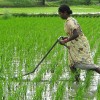
New Set of Sustainable Development Goals Looks Beyond 2015*
When world leaders from over 100 countries wind up their three-day Rio+20 summit in Brazil next week, they will leave behind the shattered remains of a slew of proposals that never got off the ground.
Cilantro Spices Up Coexistence with Drought in Brazil
Many grow lettuce, tomatoes, carrots, beets and other vegetables. But cilantro is ever-present in the gardens that are helping rural families weather the lengthy drought that is once again wracking Brazil’s impoverished Northeast.« Previous Page — Next Page »





The Week with IPS

NEXT STOP - SDGs
Tracking global progress towards a sustainable world
Tracking global progress towards a sustainable world
