Languages
Thursday, October 22, 2026



News and Views from the Global South
Taliban

Heroin Dulls Hardships for Afghan Women
Located on a narrow street in a quiet neighbourhood in Kabul, the Sanga Amaj Women’s Treatment Centre is the only one of its kind in Afghanistan: named after the 22-year-old journalist who was assassinated in 2007, the facility caters exclusively to Kabul’s massive population of female drug addicts.
Pakistan Marks Historic Election
Flanked by loyalists, friends, journalists and excited family members, former Pakistani premier Mian Nawaz Sharif, head of the Pakistan Muslim League (PML-N), seemed relaxed on the night of the May 11 general elections.
The Bloody Road to the Ballot Box
The road leading to the office of the Muttahida Qaumi Movement (MQM) wears a forlorn look. The same deserted air hangs over the Awami National Party (ANP) headquarters here in Karachi, just hours before voting begins on Saturday in Pakistan’s long-awaited general elections.
Skyping the Way to Victory, to Avoid Taliban
If you can’t beat them, at least innovate. That seems to be the lesson that Pakistan’s Awami National Party (ANP) has drawn from its predicament.
Taliban Show Patients No Mercy
Akbar Shah was sitting with his sick wife in the gynaecology ward of the Agency Headquarters Hospital in Bajaur Agency, a division of northern Pakistan’s Federally Administered Tribal Areas (FATA), when a bomb ripped through the facility, scattering patients, doctors and medical supplies.
Meeting Terror With Defiance Ahead of Election
Bacha Khan Markaz, a two-storey building in the northern Pakistani city of Peshawar, is abuzz with activity. Located deep in the Khyber Pakhtunkhwa (KP) province, whose northwestern tip borders Afghanistan, the building serves as the headquarters for the Awami National Party (ANP), which is gearing up for general elections on May 11.
Women Take the Stage Against Taliban
The Taliban may have placed a ban on theatre, but women in Pakistan’s northern provinces won’t allow the threat of the militants’ reprisals to keep them off the stage.Dozens Die in Attack on Court in Afghanistan
Suicide bombers disguised as soldiers have stormed a court in western Afghanistan, killing at least 44 people in an attempt to free Taliban fighters standing trial, officials say.
Falcons Love the Taliban
While the Taliban’s military activities continue to plague Pakistan’s northern Federally Administered Tribal Areas (FATA), the incessant violence has been a blessing in disguise for one creature: the falcon.
Taliban Victims Seek Support
People disabled through bomb and suicide attacks by the Taliban in the Federally Administered Tribal Areas and the nearby Khyber Pakhtunkhwa province are seeking support for themselves, and demanding strict action against the Taliban.
SOF Troops Still in Wardak as Joint U.S.-Afghan Probe Continues
Two weeks after Afghan President Hamid Karzai demanded the withdrawal of all U.S. Special Operations Forces (SOF) from Wardak province by this date, the issue remains suspended in negotiations between U.S. and Afghan governments.
Taliban Can’t Beat This Act
The applause has continued long after the curtain came down on the last performance of Khushal Khan Khattak in the northern Pakistan city of Peshawar last month. The enthusiastic reception should have the Taliban worried.
Taliban Running Out of Suicide Bombers
Taliban militants have been losing grip over the handling of their would-be suicide bombers. Of late they failed to carry out their missions as planned.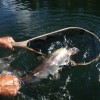
Trout Trump the Taliban
The rivers in northern Pakistan’s Khyber Pakhtunkhwa (KP) province were once thick with trout. Spanning hundreds of kilometres, these water bodies played host to the exotic fish, first introduced by the British in the early 1900s, which eventually became a staple in the diets and livelihoods of the province’s 20 million residents.
Pakistan Tribes Turn Against Army
–“We demand an immediate end to the military operation in Khyber Agency because it has not brought any results during the past three years,” says Iqbal Afridi from the Pakistan Tehreek Insaf party. “The military operations are killing the local population while the militants remained unharmed.”
Taliban Bullets Target Ballot
The new round of a terror campaign by Taliban militants against liberal politicians and health workers has led to fresh alarm within government and civil society. Many see this as a ploy to postpone elections due mid-2013.
Education Fights Militants and Military
Eight-year-old Muhammad Akram was forced to quit school when he was in the second grade, when the Taliban destroyed the small, government-run school that he and his brother had been attending.
The Politics of Polio in Pakistan
The murder of nine health workers vaccinating children against polio in Pakistan’s northwest cities of Peshawar and Charsadda in the Khyber Pakhtunkhwa (KP) province, and its southern port city Karachi, have elicited shock and outrage.
Remittances Soothe the Scourge of Militancy
Fifty-nine-year-old Sherdil Shah, a resident of South Waziristan – a hotbed of militancy in northern Pakistan’s Federally Administered Tribal Areas (FATA) – used to run a modest grain shop that fetched enough money to keep his family of 10 well-fed and looked after.
Taliban Face Sick Police
The Taliban’s ruthless campaign against security forces has demoralised the forces, who are unable to put up a strong resistance to Islamic militants.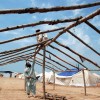
A Million Hardships in Pakistan’s North
More than a million people displaced from the Federally Administered Tribal Areas by growing militancy and military operations are facing severe hardship after losing businesses and work.« Previous Page — Next Page »





The Week with IPS

NEXT STOP - SDGs
Tracking global progress towards a sustainable world
Tracking global progress towards a sustainable world
