Languages
Thursday, October 22, 2026



News and Views from the Global South
United Nations Convention to Combat Desertification (UNCCD)

The Urbanization of Malnutrition
Rapid urbanization is increasingly shifting the impacts of malnutrition from rural to urban areas. One in three stunted under-five children out of 155 million across the world now lives in cities and towns.
Alert: Nature, on the Verge of Bankruptcy
Pressures on global land resources are now greater than ever, as a rapidly increasing population coupled with rising levels of consumption is placing ever-larger demands on the world’s land-based natural capital, warns a new United Nations report.
Europe, New Border of Africa’s ‘Great Desert’ – The Sahara
 With the highest temperatures on record and unprecedented heat waves hitting Europe this year, Africa’s ‘Great Desert’, the Sahara, is set continue its relentless march on the Southern European countries until it occupies more than 30 per cent of Spain just three decades from now.

Protecting Africa’s Drylands Key to the Continent’s Future
Africa’s population continues to grow, putting intense pressure on available land for agricultural purposes and life-supporting ecosystem services even as the scenario is compounded by the adverse impacts of climate change.
Africa: Drought and Jobless, Hopeless Youth, Fertile Grounds for Extremism
Ignoring the plight of jobless young people in sub-Saharan Africa is a recipe for political instability and global insecurity, warned a high-level symposium of Africa’s interior, environment and foreign affairs ministers in Ouagadougou, Burkina Faso.
Africa Could Help Feed the World – If Its Fertile Land Doesn’t Vanish
The 23rd World Day to Combat Desertification was celebrated in Burkina Faso’s capital of Ouagadougou on June 15 with a call to create two million jobs and restore 10 million hectares of degraded land.
The High Price of Desertification: 23 Hectares of Land a Minute
Urban farmer Margaret Gauti Mpofu would do anything to protect the productivity of her land. Healthy soil means she is assured of harvest and enough food and income to look after her family.
VIDEO: World Day to Combat Desertification
Today’s world is facing an unprecedented level of human mobility and migration is high on the political agenda all over the world. 
Our Land. Our Home. Our Future
We all have dreams. For most of us, those dreams are often quite simple. They are common to individuals and communities all around the world. People just want a place to settle down and to plan for a future where their families don’t just survive but thrive. For far too many people in far too many places, such simple dreams are disappearing into thin air.
When Women Have Land Rights, the Tide Begins to Turn
In Meghalaya, India’s northeastern biodiversity hotspot, all three major tribes are matrilineal. Children take the mother’s family name, while daughters inherit the family lands.
The Relentless March of Drought – That ‘Horseman of the Apocalypse’
By 2025 –that’s in less than 8 years from today-- 1.8 billion people will experience absolute water scarcity, and two thirds of the world will be living under water-stressed conditions. Now it is feared that advancing drought and deserts, growing water scarcity and decreasing food security may provoke a huge ‘tsunami” of climate refugees and migrants.
Falling Between the Sun-Scorched Gaps: Drought Highlights Ethiopia’s IDP Dilemma
Displaced pastoralists gather around newly arrived drums of brown water as a water truck speeds off to make further deliveries to settlements that have sprung up along the main road running out of Gode, one of the major urban centers in Ethiopia’s Somali region.
The Unbearable Cost of Drought in Africa
Nearly 50 per cent of all emergency multilateral food assistance to Africa is due to natural disasters, with advancing droughts significantly threatening both livelihoods and economic growth, warns the African Union through its ground-breaking extreme weather insurance mechanism designed to help the continent’s countries resist and recover from the ravages of drought.
Sri Lanka’s Small Tea Farmers Turn Sustainable Land Managers
As the mercury rises higher, Kamakandalagi Leelavathi delves deeper into the lush green mass of the tea bushes. The past few afternoons there have been thunderstorms. So the 55-year-old tea picker in Uda Houpe tea garden of Sri Lanka’s Hatton region is rushing to complete her day’s task before the rain comes: harvesting 22 kgs of tea leaves.
Ravaging Drought Deepens in Kenya
Experts warn that Kenya is in the grip of the worst drought in recent history as government estimates show the number of people who are acutely food insecure has risen to 2.7 million, up from two million in January.
Kenyans Turn to Wild Fruits and Insects as Drought Looms
Too hungry to play, hundreds of starving children in Tiaty Constituency of Baringo County instead sit by the fire, watching the pot boil, in the hope that it is only a matter of minutes before their next meal.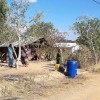
Drought Could Cost Sri Lanka Billions
The warnings are stark, the instructions, for a change, clear. Sri Lanka is heading into one of its worst droughts in recent history, and according some estimates the worst in 30 years. The reservoirs are running on empty, at 30 percent or less capacity. Only 12 percent of the island’s power generation is currently from hydropower and 85 percent comes from thermal, with a staggering 41 percent from coal.
Soil: Keeping Nutrients in Food and Carbon in the Ground
Healthy soil not only makes food more nutritious it also helps keep carbon out of the atmosphere by storing it underground.
Battle of the Desert (and III): UNCCD ‘s Louise Baker on The Silk Road
Marking this year's World Day to Combat Desertification last June, the United Nations announced the launch of a China-United Nations Convention to Combat Desertification (UNCCD) Belt and Road Joint Action initiative to curb Desertification along the Silk Road.
Funding Lags to Combat Land Degradation
Land degradation already affects millions of people, bringing biodiversity loss, reduced availability of clean water, food insecurity and greater vulnerability to the harsh impacts of climate change.
Kenya Greens Drylands to Combat Land Degradation
Faced with growing degradation that is swallowing large swathes of land in arid and semiarid areas, Kenya is heavily investing in rehabilitation efforts to stave off the threat of desertification.« Previous Page — Next Page »





The Week with IPS

NEXT STOP - SDGs
Tracking global progress towards a sustainable world
Tracking global progress towards a sustainable world
