Languages
Thursday, October 8, 2026



News and Views from the Global South
West Africa
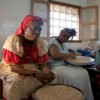
WEST AFRICA: Black-Eyed Peas Key to Economic Development
The black-eyed pea, commonly known as the cowpea, is the new kid on the block when it comes to improving the welfare of women and their families in West Africa, researchers say.
AFRICA: Can Research Strike a Balance Between Food and Fuel Crops?
While researchers and farmers are still divided on the benefits of growing crops for biofuel production as Africa grapples with food security, Senegal is steadily working to balance the growing demands for food and biofuels.
Government Under Fire As Cholera Epidemic Rages
This death toll from a cholera epidemic in Cameroon's North and Far North provinces stands at 420, according to public health minister André Mama Fouda. The outbreak of the waterborne disease throws an unwelcome spotlight on inadequate access to clean water and sanitation, particularly in the country’s rural north.Progress in Prevention of Mother-to-Child Transmission of HIV
The number of pregnant women being tested for HIV and accessing treatment in Sub-Saharan Africa has shown significant progress – indicating that virtual elimination of mother-to-child transmission of the virus by 2015 is possible.
A Place for Women in Sierra Leone’s Military
A woman took position alongside male soldiers at the graveside of a fallen colleague. She positioned her AK47 on her shoulder, and on command fired into the grey sky with the others.
LIBERIA: Chronic Malnutrition Blamed on Mothers
Mercy Freeman sits on a small hospital cot in one of Liberia’s emergency hospitals, looking down at her frail son, whose dark eye sockets have sunk into his bony face.
AFRICA: More Commitment to Education Needed
African nations lack the political will to provide access to primary education to all children, according to the Global Campaign for Education (GCE), a coalition of organisations in 100 countries.
Financing Public Health in Africa
Campaigners for increased health financing welcome the commitment by African Union member states to direct more resources to health. But the needs of the continent seem to dwarf available budgets.
Harvesting Water to Save Crops and Lives
Peter Kivuti, a 51-year-old farmer from Eastern Kenya, never relied on meteorological weather predictions all his life - until three years ago. It was then that rainfall in the region become less predictable.
AFRICA: Stronger Will Needed from Governments to Save Poorest Children
"Herding goats is tough with the thirst, sun, loneliness and hunger each day. And it can last forever. You herd as a girl, then as a wife, as a pregnant woman, as a mother and even as a grandmother," says Rukia Ibrahim whose 13-year-old younger sister was married off to a herdsman.COTE D’IVOIRE: More Births Attended By Skilled Attendants
As she leaves the community health centre in Abobo-Baule with her newborn baby, Abiba Tahoué is doubly satisfied.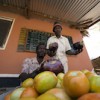
Revolution in African Agriculture Gathering Momentum
As one major meeting on agriculture ends, another begins: farming is truly back on Africa's agenda.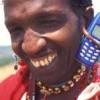
AFRICA: ‘Welcome to My Taxi – Let’s Do Business with My Cellphone’
In cities across Africa, being an entrepreneur requires no office, business card or investors. All it takes is a cell phone, according to Adele Botha, a researcher at the Council for Scientific and Industrial Research (CSIR) in South Africa.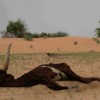
Mali Nomads Flee Drought
Nomadic communities in northern Mali's desert regions are facing one of the most serious droughts of the last twenty years.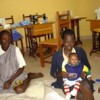
Burkinabe Women’s Economic Empowerment Key to Girls’ Education
An initiative to keep girls in school by supporting income-generating activities for their mothers is bearing fruit in Burkina Faso, where poverty and cultural values still deprive many girls of an education.
Niger Facing Growing Food Crisis
In April, the United Nations World Food Programme estimated it would need 190 million dollars to respond to a food crisis threatening more than 7 million people in Niger. By July, the WFP had revised the amount needed upwards to $371 million: a month later, the U.N. agency has been forced to scale back aid for lack of funds.DEVELOPMENT-NIGER: Selling Sand to Survive
It's a trade that requires no capital, only courage and endurance. A group of 200 women are making ends meet - sometimes even a bit more - by selling sand.
WORLD: Cooking Up a Climate Deal
Another round of negotiations towards a global treaty on climate change concluded in Bonn on Aug. 6, with activists calling on parties to rediscover a spirit of compromise and make offers rather than demands.AFRICA: Bring Water Into Climate Change Negotiations
Longer periods of drought, decreased river flow, higher rainfall variability and lower soil moisture content: water is at the heart of the impacts of climate change. Yet the precious commodity scarcely features in climate negotiations.
Developing More Top African Women Research Scientists
In a tiny village near Kisumu city in Kenya, scientific researcher Mary Anyango Oyunga spends most of her time educating women about something they have always done – grow sweet potatoes.
BURKINA FASO: Race to Achieve Goals on Sanitation
The government of Burkina Faso has embarked on the construction of 55,000 latrines each year to improve access to proper sanitation for the population from the present 10 percent to 54 percent by 2015.« Previous Page — Next Page »





The Week with IPS

NEXT STOP - SDGs
Tracking global progress towards a sustainable world
Tracking global progress towards a sustainable world
