Languages
Thursday, November 19, 2026



News and Views from the Global South
Civil Society

Post-Rana Plaza, Global Investors Pushing for Systemic Change
A coalition of 134 institutional investors are calling for global corporations to institute new transparency policies throughout their supply chains and to step up assistance to survivors and families still suffering a year after a major fire led to the collapse of a garments factory in Bangladesh, despite repeated warnings from workers.
Storm in a Rice Bowl
Rice, a staple of the South Korean diet, is stirring up a bowlful of worry for Seoul. Under a promise to the World Trade Organisation (WTO), the government has to make a tough choice on rice imports by June this year.
Persecution of Uganda’s Gays Intensifies as Rights Groups Go Underground
As she sits in a Kampala hotel holding a mobile phone that rings frequently, Sandra Ntebi tells IPS: “I’m really exhausted. I don’t know where to start. We have many cases pending.” Ntebi manages a hotline and is helping Uganda’s lesbian, gay, bisexual, transgender and intersex (LGBTI) community find alternative, safe accommodation after they have faced harassment.
Japan Seeks Foreign Workers, Uneasily
Desperate for more workers to support a construction boom, Japan has proposed to expand its controversial foreign trainee programme to permit more unskilled labour from Asia to work in Japanese companies for five years from the current three years.
Bringing the Bridges Home
As foreign forces withdraw slowly from Afghanistan, they leave behind a vulnerable band of people who were their ears and guides on the ground. These people who served as interpreters, face a life of threats and uncertainties. Many have been killed.
U.S. Urged to Tackle Lead in Aviation Gasoline
Consumer advocates, public health workers and environmental groups here are calling on the federal government to take a formal step towards regulating the use of lead in aviation gasoline, despite a failure to do so for nearly two decades.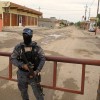
Imprisoning Themselves to Stay Safe
"I don’t dare tell you who the murderers are but their target is just us, Turkmens," says Ahmed Abdulla Muhtaroglu, sitting by the portrait of his brother who was killed last year.Azerbaijan Backing Turkey’s Crackdown on Gülen Movement
Azerbaijan appears to be joining in Turkish Prime Minister Recep Tayyip Erdoğan’s campaign against a religious movement led by U.S.-based Islamic cleric Fethullah Gülen.
India’s Women Lose the Election
“Men just do not want to give up their seats, it’s as simple as that,” says 67-year-old candidate in the Indian election Subhhasini Ali, voicing a gloomy view across women’s groups in India.
Poland Uses Ukraine to Push Coal
A European ‘energy union’ plan proposed by Polish Prime Minister Donald Tusk as an EU response to the crisis in Ukraine could be a Trojan horse for fossil fuels.
When Not To Go To School
In large parts of rural India, the absence of separate toilets for growing girls is taking a toll on their education. Many are unable to attend school during their menstrual cycle.U.S. Foreign Aid Approach Is Outdated, Experts Say
U.S. foreign aid is becoming increasingly outdated, analysts here are suggesting.
Ostracised and Isolated: Muslim Prisoners in the U.S.
Such stigma now surrounds the word ‘terrorist’ that most recoil from it, or anyone associated with it, as though from a thing contagious; as though, by simple association, one could land in that black hole where civil liberties are suspended in the name of national security.
South Sudan Dictates Media Coverage of Conflict
As rebel forces loyal to South Sudan’s former vice president Riek Machar declared on Tuesday Apr. 15 that they had captured the key oil town of Bentiu, the government has been accused of clamping down on local media in an attempt to influence the reporting on the conflict.
Civil Society Wants More Influence in New Development Agenda
Making international cooperation more effective requires a civil society with greater influence in the negotiations of the development agenda that the world’s governments are to adopt in 2015, civil society representatives said at an international meeting in Mexico.
U.S. Terror Suspects Face “Terrifying” Justice System
The sun is just setting as the group huddles closer together, their faces barely visible in the gathering dusk. Simple, hand-made signs read: ‘Stand for Justice’.
Uruguay Not a ‘Pirate’
The Uruguayan government has made a controversial move to regulate the production and sale of cannabis. The government believes that this will help in the fight against drug-related crime and in dealing with public health issues.
Afghanistan Turns a Political Corner
The Afghanistan presidential election is turning out to be a tale of two narratives. The more positive and democratic one could be winning the day.U.S. Tribe Looks to International Court for Justice
An indigenous community in the United States has filed a petition against the federal government, alleging that officials have repeatedly broken treaties and that the court system has failed to offer remedy.
Ending Modern Slavery Starts in the Boardroom
Modern-day slavery can be eradicated from multinational supply chains, but only if global businesses contribute to greater transparency and collaboration, according to new recommendations by Sedex Global and Verite.
OP-ED: Beyond the Street Protests: Youth, Women and Democracy in Latin America
Women’s empowerment and political participation are not only crucial for women: they are essential for effective democratic governance, one which promotes human rights and equity. The same can be said about the importance of boosting youth political participation.« Previous Page — Next Page »


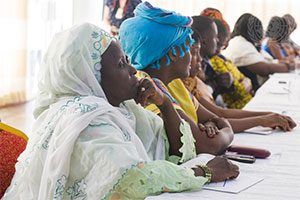 Representatives of Civil Society, Sierra Leone. Credit: UN Photo/Eskinder Debebe
Civil society faces mounting threats worldwide, even as it remains essential for democratic accountability, especially in countries struggling with economic instability and social inequality. However, at the same time, nations with weak democratic governance structures also systemically suppress the power of civil society. Human rights activists across the Global South frequently challenge issues such as political persecution and gender oppression, but in return face state-sanctioned punishment for their advocacy. Imprisonment and exile are common mechanisms of punishment that seek to erode the strength of civil society. The 2026 World Press Freedom Index has reached its lowest level in 25 years, with more than half of the world’s countries now falling into the "difficult" or “very serious” category for press freedom. IPS seeks to highlight the work of civil society across the Global South as well as the challenges that they face.
Updated by Yilan Batista and Shuli Wong August 2026

The Week with IPS

NEXT STOP - SDGs
Tracking global progress towards a sustainable world
Tracking global progress towards a sustainable world
