Languages
Friday, October 9, 2026



News and Views from the Global South
Energy

Aiming to Conserve Energy, Antigua Turns to Its Residents
In drought-plagued Antigua, where water and energy top the list of most precious resources, one campaign is encouraging islanders to conserve both of these commodities.
Opinions Deeply Divided Over Fracking in Argentina
The enthusiasm of the government and oil and gas companies over Argentina’s unconventional fuel potential has come up against fierce opposition from communities living near the country’s shale gas reserves and environmental organisations.
Leave It in the Ground, Climate Activists Demand
Nearly 70 percent of known reserves of oil, gas and coal must remain in the ground to avoid dangerous climate change. So why did the energy industry spend 674 billion dollars in 2012 looking for more?
U.S. Cities Joining Push to Dump Fossil Fuel Investments
Nearly a dozen U.S. cities have announced their interest in withdrawing municipal investments from fossil fuel companies, joining a fast-growing movement among colleges and universities that supporters say is allowing citizens concerned with environmental degradation and global climate change to act in lieu of federal action from the U.S. Congress.
Carbon Credits Could Finance Improved Cookstoves in Mexico
Environmental organisations in Mexico are hoping to finance the promotion of fuel-efficient wood-fired cookstoves, which reduce harmful greenhouse gas emissions, through the sale of carbon credits on the voluntary market.
Caribbean Tourism Stakes Salvation on Greener Policies
Tourism, widely regarded as the mainstay of Caribbean economies, is being challenged to remain sustainable in an era of climate change and its impact on beaches, rivers and other attractions.
U.S., Others Wrangle over Future Arctic Governance
With climate change rapidly opening up new opportunities for shipping and resource extraction across the once permanently frozen Arctic, the United States and other northern countries are being compelled to re-examine their policies, both national and collective, towards this region of growing geostrategic importance.
U.S. Regulator Lodges “Environmental Objections” to Keystone Plan
Advocacy groups here are applauding the publication of new government concerns, formally expressed Monday by the U.S. Environmental Protection Agency (EPA), over a recent assessment of the environmental impact of a major oil pipeline that would run between Canada and the U.S. Gulf Coast.
Israeli Cloud Hovers Over Green Energy
A quiet diplomatic war is being waged by several European governments against the Israeli authorities, specifically the Israeli Civil Administration which controls the Israeli occupied West Bank.
Wind Brings Light to Somaliland
A wind turbine, situated some 20 kilometres outside of Somaliland’s capital Hargeisa, has become a significant totem of the country’s changing energy landscape.
Mexico Lacks Water to Frack for Shale Gas
Mexico plans to expand shale gas exploration this year, but it could run into a shortage of water, which is essential to hydraulic fracturing or fracking, the method used to capture natural gas from shale rocks.U.S. Kiobel Decision Bucks 30 Years of Precedent
The U.S. Supreme Court has dismissed a lawsuit against the Royal Dutch Shell Petroleum Company brought by alleged human rights victims.
Keystone Opponents Deepen Criticism of Proposed Pipeline
Two new reports, put out by a cross-section of U.S. environmental and public interest groups, are attacking central rationales for the construction of a major new Canada-U.S. oil pipeline proposal, which has emerged as an emblematic cause for green groups who have angrily denounced a U.S. government approvals process.
New York Nuke Waste in Limbo as Concerns Rise
Over one million kgs of nuclear waste sit in limbo on the banks of the Hudson River, in dry cask storage units and spent fuel pools just 60 kms north of New York City, according to environmental organisations.
Eternal Energy Revolution Picking Up Steam
“Be a climate-protection hero, not a climate victim” is the message energy experts from around the world are bringing to San Francisco Tuesday.
OP-ED: Letting Nature Take Its Course?
Is sustainability still possible? Yes. Is it still probable? No. With bold action today, tomorrow, and in years to come, we could succeed in creating a sustainable and prosperous society. But what does bold action actually mean?
International Carbon Markets Expanding but Still Contentious
Nascent carbon emissions-trading exchanges in several countries are increasingly looking at options to interlink with one another, which advocates say would offer investors long-term stability, increase revenues for the development of renewable energy and strengthen corporate support for climate policy.
U.N. Chief Singles Out Monaco for Raising Climate Awareness
When Secretary-General Ban Ki-moon visited Kiribati in 2011, he had "an unexpected insight" into the fear that stalks the Pacific Island nation.Guarded Optimism Over Iran Nuclear Talks
With talks over Iran's nuclear ambitions set to resume Apr. 5 in Almaty, Kazakhstan, there is guarded optimism that negotiators can build on the moderate breakthroughs made in discussions held earlier this year.
Report Calls to Engage Iran’s People While Preventing Nuke
The U.S. should not only focus on the short-term goal of “suspending or delaying” Iran’s alleged quest for a nuclear weapons capability, but also on “curtailing Iran’s other worrisome activities in the region while encouraging - or at least, not derailing - a better relationship with the citizens of the pivotal state,” according to a report released Thursday by the Washington-based Atlantic Council.
Solar Energy and Briquettes Make Headway in Haiti
While Jean Reniteau mulls over the idea of using solar panels to light his house, Frantz Fanfan is wondering how to expand production of biomass briquettes to replace the use of charcoal in the cooking stoves of most of the Haitian people, who lack electricity.« Previous Page — Next Page »





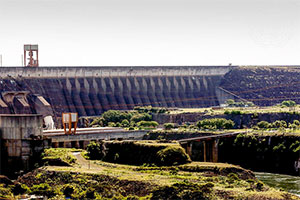 UN Power Plant, Paraguay. Credit: UN Photo/Evan Schneider
Energy has posed a great challenge for economies around the world. As global energy consumption skyrockets throughout the years, so does the need for sustainable solutions. The Sustainable Development Goals are essential in providing people with access to safe, affordable, and sustainable energy sources that minimize harm on the planet. Progress towards these goals opens the door for an advancement in modernization for communities on a global level and allows for a potential mitigation of tensions between nations.
The UN’s Summit of the Future in 2024 offered new initiatives that are being taken to achieve these goals, including a decreased reliance on fossil fuels, a switch to renewable energy sources, and improved climate financing.
IPS is well positioned to provide relevant, insightful, and compelling analysis of recent updates and measures being taken around the world to achieve a cleaner future.

The Week with IPS

NEXT STOP - SDGs
Tracking global progress towards a sustainable world
Tracking global progress towards a sustainable world
