Languages
Friday, November 20, 2026



News and Views from the Global South
Food and Agriculture
U.S. Regulators Omit Wider Implications of GM Salmon
U.S. regulators are poised to decide as early as next week whether to approve a genetically modified salmon for human consumption.
ETHIOPIA: They Have Become Farmers of Trees
They have spent the better part of their lives destroying the forest, but Kochito Gabre and his cohort are now the guardians of a UNESCO-recognised resource in the Ethiopian highlands. After shrinking to barely half its original size, the Kafa Forest is now a model for sustainable use in the country.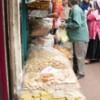
EGYPT: Soaring Food Prices Squeeze Poor
Prices for most basic food commodities in Egypt have finally returned to earth - more or less - after soaring to unprecedented levels over the summer. But steadily rising food costs in recent years, along with the government's seeming disinclination to take effective steps to regulate the market, continue to be the source of mounting public anger.
AGRICULTURE: U.S. and EU Subsidies Still Out of Bounds
The United States’ policy to double agricultural exports shows that its government "has learnt nothing" from the last food crisis, a problem reflected in the dramatic increase in that country’s trade-distorting farm subsidies between 2007 and 2008.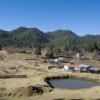
Mexican Farms Need a Water Revolution
Without financing, many Mexican farmers cannot improve their ageing irrigation systems, which are essential if Mexico is to withstand the effects of climate change and reduce its emissions of greenhouse-effect gases.
Pulling Together To Protect Zambia’s Kafue Flats
Dams, sugarcane plantations and rapidly growing population threatened the health of the Kafue Flats, a richly diverse wetlands in southern Zambia. But growing recognition of more sustainable use of its water and fertile soil are securing the health of the ecosystem.New Staple Crop Varieties Take Aim at Malnutrition
When the Green Revolution took root in the 1960s and 1970s, plant biologists' main concern was increasing the yield of the staple crops on which people in poor countries depended. This, it stood to reason, would increase the amount of food available to the world's poor – and decrease hunger.
BRAZIL: Battle Between Jungle and Livestock in the Amazon
"Put yourself in God's hands," his mother told him just before she died. Only later did he understand that as she was dying of kidney failure, she was urging him to continue her work as a Catholic evangelist.Caribbean Fighting a Losing Battle Against Food Imports
For much of late October, Caribbean ministers of agriculture, journalists, farmers and academics gathered in this tiny but picturesque south Caribbean island in a rearguard bid to refocus a region used to existing mostly for tourism on agriculture, given a mounting food import bill and fears of yet another global food crisis.
HAITI: Quake Refugees Seek Moratorium on Evictions
The children standing at the tent beside the filthy pool of water put their needs simply when asked what they wish for: "À manger; l'école," they said, practically in unison. In English, "We want to eat; we want to go to school."
Free Trade Deals Bait Indian Fishermen
A series of bilateral free trade agreements (FTAs) is threatening the livelihoods of India's fishermen on the 8,000 km peninsular coastline - among the longest in the world - and the diets of millions of Indians for whom fish is a cheap source of protein.ARGENTINA: Experts Optimistic, Farmers Cautious on Grain Harvest
Agricultural analysts are predicting a strong grain harvest for Argentina, where soy, maize and wheat are among the engines driving the national economy. But farmers are more circumspect as they plant this year's crops in the southern hemisphere spring season.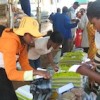
SWAZILAND: Scramble to Meet Shortfall in Food Aid
November will see the World Food Programme launch its Food by Prescription programme in Swaziland, but tens of thousands in urgent need of food aid are set to go without as a donor shortfall restricts assistance.
Slow Food Picks Up Steadily
It's been a steady, even if slow growth for the Slow Food movement around the world.
PARAGUAY: Economy Soaring – For the Few
Paraguay's economy is currently growing at the fastest rate in Latin America, due to by growing demand and high prices for agricultural products, especially soy, which is driving the expansion. But the question is whether the benefits of the boom will trickle down to the poor majority.
U.S.: Planting Oases in a Land of Burgers and Fries
Though close to a billion people remain undernourished worldwide, one in three U.S. children are overweight – a problem that First Lady Michelle Obama has made her priority over the first two years of her husband's administration.
Brazilian Communities Find Ways to Live in Semiarid Environment
No longer is the image of women trudging through fields carrying heavy water vessels on their heads just a "quaint" scene of Brazil's semiarid northeast, for outsiders.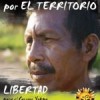
VENEZUELA: Hunger Strike Off as Gov’t Agrees to Talks on Native Demands
An 81-year-old Jesuit missionary in Venezuela ended a week-long hunger strike Monday after the government agreed to high-level talks to negotiate the release of three indigenous prisoners facing murder charges and to discuss land claims by Yukpa communities.
Europe to Slow Down on Food
The Slow Food movement has won significant support from the European Union. Dacian Ciolos, the European Union Commissioner for Agriculture, spoke to IPS in support of the movement at Terra Madre, a biennial reunion of promoters of the Slow Food movement.
Without Investment in Agriculture, Africans Stay Hungry
Inadequate access to water, recurring floods and droughts as well as a lack of political will to invest in small-scale agriculture perpetuate hunger across Africa, the continent’s food security experts say.
Chinese Aid Bringing Smiles to Sierra Leone Farmers
"I think I am successful now," says Fanta Jabbah. "I am able to take care of my three children and support my husband; now I have a say in my household."« Previous Page — Next Page »


 Farming on the Outskirts of Juba. Credit: UN Photo/JC McIlwaine
Promoting human and planetary health is a central focus of the United Nations, as laid out in the 2030 Sustainable Development Goals (SDGs). World hunger and unsustainable farming practices continue to be pressing concerns for the world. According to the 2025 State of Food Security and Nutrition in the World report by the Food and Agriculture Organization (FAO), 673 million people faced hunger in 2024. There are stark regional disparities, with the FAO projecting that 60% of the world population facing hunger will reside in Africa by 2030. Globally, the prevalence of food insecurity has remained consistently higher for women than men.
Sustainable and efficient national food systems are essential in preserving health, education, environmental well-being, peace, economy, and security. However, creating sustainable food systems can be a challenging endeavor, as food production takes a heavy toll on the environment. The agricultural sector accounts for a significant portion of greenhouse gases. Finding safe, sustainable, and ethical strategies to feed the world is crucial in ensuring planetary longevity. A recent initiative from 2023, the EU Regulation on Deforestation-free Products (EUDR), seeks to advocate for sustainable food systems. The main driver of deforestation is the expansion of agricultural land used to produce commodities like cattle, wood, cocoa, coffee, etc. The EUDR is part of the 2020 European Green New Deal and the EU Biodiversity Strategy for 2030 and aims to limit Europe’s consumption of products linked with deforestation by requiring that companies prove that their products are deforestation-free. Despite aiming to achieve major strides in sustainability, policies such as EUDR also raise socioeconomic concerns for targeted countries. Many emerging Latin American economies are impacted by the policy, and have raised the question of how developing countries can grapple with the tensions between economic development and advancing sustainability.
IPS has been at the forefront of providing compelling and insightful stories on communities facing hunger as well as the cost of food production. IPS uses statistics from FAO, the World Food Programme (WFP) and the International Fund for Agricultural Development (IFAD) to bring relevant and hard-hitting facts to readers. This gathering of information and data from such organizations helps bring the best stories from IPS journalists working in the different regions in consultation with experts on the ground.

The Week with IPS

NEXT STOP - SDGs
Tracking global progress towards a sustainable world
Tracking global progress towards a sustainable world

