Languages
Tuesday, November 17, 2026



News and Views from the Global South
Food and Agriculture

Climate Change Threatens Flavour of Argentine Wine
Purple garlic that is losing its color? More translucent wine? Climate change will also affect the flavours of our food in the absence of measures to mitigate the impacts of global warming, which are already being felt in crops that are basic to local economies, such as in the Argentine province of Mendoza.
IITA Promotes a Solution that Puts Smallholders’ Food, Nutrition and Income in a Bag
Sometimes the best solutions can appear to be so simple that it’s hard to imagine why they weren’t invented centuries ago.
How Climate Change Threatens Zambia’s Already Fragile Nutrition Record
It is slightly after 10 o’clock in the morning and 48-year-old Felix Muchimba of Siamuleya village in Pemba district has just finished having breakfast – a traditional drink called Chibwantu, made of maize meal and grit.
Opinion: The Broken Promises of the Peruvian Development Model
Lima was the host, in October 2015, of the International Monetary Fund (IMF) and the World Bank annual meetings. The two Bretton Woods institutions, criticized for their record of lowering social and environmental conditions, seek to showcase Peru as a success of their neoliberal policies and reforms to the rest of the world.
Zimbabwe’s Smallholder Farmers Seek Address Food Security and Health Risks with Air Tight Storage Technology
Last season, Mollene Kachambwa lost a tonne of the 5 tonnes of maize the family harvested to weevils and fungi.
Bangladesh Facing Tough Climate Choices
Twice a week, 20-year-old Kulsum Begam, a young mother of two, spends over three hours gossiping with the neighbours.
Agricultural Keys to Malaria in African Highlands
Sixty-five years after a major international summit here on malaria, the mosquito-borne disease remains a scourge and its incidence may even be rising in parts of sub-Saharan Africa due to the combined effects of climate change, agricultural practices and population displacement.
Opinion: It’s Time to Put Local Communities in Charge of Liberia’s Forests
Liberian President Ellen Johnson Sirleaf recently affirmed her commitment to the land rights of Liberia’s local communities, who rely on the forests for their livelihoods and have cared for them for generations.
Pakistan: Looking to Hydropower to Assure More Reliable Electricity
“We are lucky a local dam will give us cheap and uninterrupted power supply. Currently, we remain without electricity for 14-16 hours every day,” Muhammad Shafique, a schoolteacher in Upper Dir, told IPS.
Terrace Farming – an Ancient Indigenous Model for Food Security
Terrace farming as practiced from time immemorial by native peoples in the Andes mountains contributes to food security as a strategy of adaptation in an environment where the geography and other conditions make the production of nutritional foods a complex undertaking.
Toasting to a More Sustainable Planet with Argentine Wine
The region of Cuyo in west-central Argentina is famous for its vineyards. But it is one of the areas in the country hit hardest by the effects of climate change, such as desertification and the melting of mountain top snow. And local winegrowers have come up with their own way to fight global warming.
Native Women Green the Outskirts of the City, Feed Their Families
The hands of women who have migrated from rural areas carefully tend to their ecological vegetable gardens in the yards of their humble homes on the outskirts of Sucre, the official capital of Bolivia, in an effort to improve their families’ diets and incomes.
In Hawaii, Concern Rises about Use of Farm Pesticides
Tammy Brehio stood on the back balcony of her home in Kihei on the island of Maui and pointed to a brown field a few hundred yards away.
A Younger Generation Cannot March on an Empty Stomach
U.N. Secretary-General Ban Ki-moon insists there is a special role for the world’s younger generation in the U.N.’s post-2015 development agenda.Opinion: Africa’s Agricultural Potential Begins on the Ground
My friend Kofi Boa is a Ghanaian agronomist who is probably the biggest advocate for conservation farming in Africa. For decades, Kofi has taught farmers how to increase their yields using no-till, cover crops and other techniques.
Social Programmes Here to Stay in Argentina
Above and beyond the uncertainty about the direction that Argentina’s economy will take after the Oct. 25 presidential elections, the government’s main social programmes, which have helped bring down poverty levels in the last decade, are definitely here to stay, no matter who is elected.A New Framework in an Age of Migration
With the worldwide numbers of displaced people at all-time highs, migration has become the watchword for humanitarian crises.
Opinion: Will African Leaders Fight for our Farmers?
Climate change is changing the world we know and love. Our land, homes and food are at risk. With nearly a billion people already living in poverty, it is also the single biggest threat to the fight against hunger.Opinion: It’s gettin’ hot in here…so take back all your carbon
Africa is getting hot fast. Already battling against the impacts of climate change, temperatures in Africa will rise faster than any other continent. In fact, they are expected to exceed 2 C and may reach as high as 6 C greater than 20th century levels. These rapidly rising temperatures foreshadow increased drought, famine and disease. The most vulnerable populations – of which millions are smallholder farmers – need solutions, and they need them now.
Healthy Oceans Key to Fighting Hunger
Seafood offers a large amount of animal protein in diets around the world, and the livelihoods of 12 percent of the global population depend directly or indirectly on fisheries and aquaculture.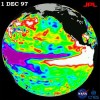
10 Million at Risk of Hunger Due to Climate Change and El Niño, Oxfam Warns
At least ten million of the poorest people face food insecurity in 2015 and 2016 due to extreme weather conditions and the onset of El Niño, Oxfam has reported.« Previous Page — Next Page »


 Farming on the Outskirts of Juba. Credit: UN Photo/JC McIlwaine
Promoting human and planetary health is a central focus of the United Nations, as laid out in the 2030 Sustainable Development Goals (SDGs). World hunger and unsustainable farming practices continue to be pressing concerns for the world. According to the 2025 State of Food Security and Nutrition in the World report by the Food and Agriculture Organization (FAO), 673 million people faced hunger in 2024. There are stark regional disparities, with the FAO projecting that 60% of the world population facing hunger will reside in Africa by 2030. Globally, the prevalence of food insecurity has remained consistently higher for women than men.
Sustainable and efficient national food systems are essential in preserving health, education, environmental well-being, peace, economy, and security. However, creating sustainable food systems can be a challenging endeavor, as food production takes a heavy toll on the environment. The agricultural sector accounts for a significant portion of greenhouse gases. Finding safe, sustainable, and ethical strategies to feed the world is crucial in ensuring planetary longevity. A recent initiative from 2023, the EU Regulation on Deforestation-free Products (EUDR), seeks to advocate for sustainable food systems. The main driver of deforestation is the expansion of agricultural land used to produce commodities like cattle, wood, cocoa, coffee, etc. The EUDR is part of the 2020 European Green New Deal and the EU Biodiversity Strategy for 2030 and aims to limit Europe’s consumption of products linked with deforestation by requiring that companies prove that their products are deforestation-free. Despite aiming to achieve major strides in sustainability, policies such as EUDR also raise socioeconomic concerns for targeted countries. Many emerging Latin American economies are impacted by the policy, and have raised the question of how developing countries can grapple with the tensions between economic development and advancing sustainability.
IPS has been at the forefront of providing compelling and insightful stories on communities facing hunger as well as the cost of food production. IPS uses statistics from FAO, the World Food Programme (WFP) and the International Fund for Agricultural Development (IFAD) to bring relevant and hard-hitting facts to readers. This gathering of information and data from such organizations helps bring the best stories from IPS journalists working in the different regions in consultation with experts on the ground.

The Week with IPS

NEXT STOP - SDGs
Tracking global progress towards a sustainable world
Tracking global progress towards a sustainable world

