Languages
Sunday, November 15, 2026



News and Views from the Global South
Health

Abuse of Older Women Overlooked and Underreported
A veteran women's rights activist, Patricia Brownell was still taken aback by the prevalence of abuse against older women she discovered during dozens of conversations she and her colleagues had with victims.
One Woman’s Struggle to Find the Right Contraceptive
Beatrice Njeri had just come home from her job as a janitor at a primary school in Nairobi. It was August 2009.
The Weakest Link of HIV Prevention in Africa – Contraception
In the rush to save babies from HIV infection and treat their mothers, experts warn that a key element of HIV prevention is being neglected in Africa – contraceptives for HIV positive women.
What’s More Important, the War on AIDS or Just War?
They say there is a war on and its target is the deadly human immunodeficiency virus (HIV).
Putting the Littlest Disaster Victims on the Caribbean’s Climate Agenda
Children are often the forgotten ones when policy-makers map out strategies to deal with climate change, even as they are least capable of fending for themselves in times of trouble.
How Mozambique Is Coping With AIDS
 Mozambique struggles to contain the HIV epidemic with one in ten among its 24 million people infected. Helping them is not easy when only 60 percent of people have access to health services.

Aleppo Struggles to Provide for Basic Needs as Regime Closes In
The single, heavily damaged supply road remaining into the rebel-held, eastern area of the city is acutely exposed to enemy fire.
Nepal’s Poor Live in the Shadow of Natural Disasters
Barely 100 km north of Nepal’s capital, Kathmandu, the settlement of Jure, which forms part of the village of Mankha, has become a tragic example of how the country’s poorest rural communities are the first and worst victims of natural disasters.
Egypt’s Poor Easy Victims of Quack Medicine
Magda Ibrahim first learnt that she had endometrial cancer when she went to a clinic to diagnose recurring bladder pain and an abnormal menstrual discharge. Unable to afford the recommended hospital treatment, the uninsured 53-year-old widow turned to what she hoped would be a quicker and cheaper therapy.
Stigma Still a Major Roadblock for AIDS Fight in Africa
Though West Africa’s massive Ebola outbreak may be dominating the spotlight within the global health community, HIV/AIDS remains an enormous issue for Africa as a whole - a sentiment that Washington officials made clear this week in their discussions of legislative and technological setbacks plaguing progress in fighting the epidemic.
Atom Bomb Anniversary Spotlights Persistent Nuclear Threat
It has been 69 years, but the memory is fresh in the minds of 190,000 survivors and their descendants. It has been 69 years but a formal apology has yet to be issued. It has been 69 years – and the likelihood of it happening all over again is still a frightening reality.
Ethics of ‘Mercy Killing’ Up for Debate in India
If a terminally ill patient, with scant hope of recovery, pleads for his death to be facilitated, should the doctors comply? Or, if the family of a patient who has been declared brain-dead requests that her life-support system be withdrawn, should their will be respected?
Nigeria Wakes Up to its AIDS Threat
Tope Tayo’s marriage broke up 11 years ago after she tested positive for HIV. Her angry and embarrassed husband took away their only child. Three months later, when the one year old boy tested positive, the husband dumped him with Tayo and absconded.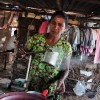
Former War Zone Drinking its Troubles Away
Back in the day when the separatist Liberation Tigers of Tamil Eelam (LTTE) ran a de-facto state in Sri Lanka’s Northern Province, alcohol consumption was closely monitored, and sternly frowned upon.
Children, the Biggest Losers in Senegal’s Fight Against AIDS
Children living with HIV in Senegal suffer because of the taboo associated with this disease in a country which is, however, praised for its fight against the pandemic.
In Pakistan, Militants Wear Aid Workers’ Clothing
Muhammad Tufail, a 22-year-old resident of Mardan, one of 26 districts that comprise Pakistan’s northern Khyber Pakhtunkhwa (KP) province, has recently become a volunteer aid worker.
China’s ‘Left-Behind Girls’ Learn Self-Protection
A normally quiet second-grade student, Yuan Yuan* suffers from a mild mental disorder that impacts her ability to learn and communicate. Her father, also mentally disabled, left her several years ago to find work in the city and his family hasn’t heard from him since. Unable to support the family, her mother also left and never returned.
Bill to Fight Discrimination Against HIV-Positive Venezuelans
Venezuela is gearing up to pass a new law to combat discrimination against people living with HIV/AIDS, in a country where the epidemic claims nearly 4,000 lives and infects 11,000 mainly young people every year, including increasing numbers of women.
Under Water: The EPA’s Struggle to Combat Pollution
For years, the U.S. Environmental Protection Agency (EPA) has been frustrated in its efforts to pursue hundreds of cases of water pollution — repeatedly tied up in legal fights about exactly what bodies of water it has the authority to monitor and protect.
Outlawing Polygamy to Combat Gender Inequalities, Domestic Violence in Papua New Guinea
New legislation recently passed in the southwest Pacific Island state of Papua New Guinea (PNG) outlawing polygamy has been welcomed by experts in the country as an initial step forward in the battle against high rates of domestic violence, gender inequality and the spread of AIDS.
Drought and Misuse Behind Lebanon’s Water Scarcity
In front of Osman Bin Affan Mosque, in a central but narrow street of Beirut, several tank trucks are being filled with large amounts of water. The mosque has its own well, which allows it to pump water directly from the aquifers that cross the Lebanese underground. Once filled, the trucks will start going through the city to supply hundreds of homes and shops.« Previous Page — Next Page »


 Bangladesh: Sarid, born one month early, receives specialized newborn care and grows stronger every day. Credit: UNICEF/UNI944397/Mojumder
Since the onset of the 2000s, global life expectancy has seen an overall rise, attributed to significant technological and scientific innovations in healthcare. Due to an increased understanding of different conditions as well as a rise in cooperation among healthcare experts around the world, there have been major strides made in ensuring that as few people die from chronic illnesses as possible. Despite the belief that healthcare is a fundamental human right, people from low- or middle-class backgrounds, marginalized groups, and underdeveloped countries have far more limited access to basic healthcare services.
The COVID-19 pandemic showed how marginalized communities are disproportionately affected by health crises, proving that we have much work to do in ensuring that no one dies of terminal conditions. While the global response to the coronavirus saw significant strides in immunization and vaccine development, the global outbreak of mpox in 2022 and its upsurge in parts of Africa in 2024 must remind us to remain vigilant.
Other major disease outbreaks in recent years have been linked to the destruction of infrastructure during warfare. Notably, in 2024, the Gaza Strip witnessed a return of the poliovirus since its eradication in the region 25 years ago. Israel’s blockade on Gaza has resulted in the collapse of the region’s sewage plants and desalination plants, and also destroyed healthcare capacities. The UN stated that this lack of clean water and sanitation would lead to an outbreak of cholera and other deadly infectious diseases. The 2026 OCHA Humanitarian Situation Report confirmed that the over two years of conflict in Gaza has produced a catastrophic health emergency, with millions remaining dependent on relief aid amid tight restrictions and no functioning public health system.
IPS is committed to providing full and comprehensive coverage on healthcare challenges around the world. IPS seeks to address the multifaceted causes of such challenges, including unprecedented pandemics, conflict-driven disease outbreaks, as well as socioeconomic barriers to equal healthcare access. IPS is also dedicated to reporting on innovations in the healthcare industry.

The Week with IPS

NEXT STOP - SDGs
Tracking global progress towards a sustainable world
Tracking global progress towards a sustainable world
