Languages
Tuesday, May 5, 2026



News and Views from the Global South
Humanitarian Emergencies

Afghan Refugees, Medical Visitors Bemoan Treatment in Pakistan
Afghan refugees living in Pakistan face a host of problems, ranging from seeking medical treatment to shelter, business, police harassment and violence. Many of those affected have been there for four decades.
The Hunger Factory (II): The Modern Horsemen of the Apocalypse
While often too quickly attributing -quasi exclusively- the world unprecedented hunger tragedy to the current proxy war in Ukraine, other major causes remain hidden in plain sight.
ECW Interviews Three Inspiring #Youth4EiE Advocates on International Youth Day
On this International Youth Day, ECW interviewed three inspiring #Youth4EiE Advocates – Nataly Rivas, Angela Abizera, and Jean-Paul Saif. Nataly, Angela, and Jean-Paul are three Global Youth for Education in Emergencies panel members.
‘Aid Organizations Must Include the Youth Voice’ August 12, 2022—International Youth Day
Today marks International Youth Day, a global celebration of the transformative power of young people. Introduced by the United Nations General Assembly in 1999, the event was inaugurated not only to observe the power of the youth voice, but to serve as a promise from those in power to activate the power of youth across the development sector.
Tragic Irony of Hunger Deaths in Karamoja, Uganda Amidst Plenty of Climate Adaptation Technologies
Hundreds of people have died of famine in Uganda’s Karamoja region, and local leaders say that some people are now eating grass to survive.
Pariah Solidarity Between Myanmar & Russia
On August 3rd residents of the Myanmar capital Naypyitaw were suddenly awakened by the sound of military helicopters in the air. The helicopters hovered over the city all day. The way to the regime's foreign ministry was also blocked for hours.
Aid Workers Encounter Courage, Damage, Dislocation and Resilience in War-Torn Ukraine
During Todd Bernhardt’s visit to Ukraine’s conflict zones, he encountered untold damage to hospitals, healthcare clinics, and communities. The Senior Director of Global Communications at the International Medical Corps also encountered enormous courage.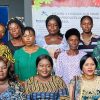
Women Play a Key Role in Food & Nutrition Security in Nigeria
In Nigeria, women play key roles in food and nutrition security through their contributions to agricultural production, their influence on how to allocate household income, and their efforts to ensure proper nutrition for all household members.
The Myanmar Junta Continues to Wreak Death & Destruction
Myanmar has been embroiled in violence and civil unrest since the military ousted the elected government of Aung San Suu Kyi in a coup in February 2021. The initially widespread peaceful protests were crushed with deadly force by the military and police.
The World Was Already Broken. Shall Ukrainian Cereals Fix It Up?
A wide majority, including the United States, has cheered the 22 July Turkey-brooked agreement between Russia and Ukraine to resumen cereals and fertilisers exports from both countries.
Surviving the Food Crisis in North-east Nigeria
Today in north-east Nigeria, millions of people are facing the painful consequences of a deteriorating food security and nutrition crisis. Food insecurity means not knowing when or where your next meal will come from.
An Integrated Regional Response for the Sahel Crisis
The current Ukraine-Russia conflict is dominating the global media to the point of overshadowing longer protracted crisis that no longer make headlines, but are still rife. Such is the case with the on-going Sahel crisis, one of the world's most neglected ones, where acute poverty, the dramatic effects of climate change and rising armed conflicts have become the norm for more than a decade. A situation further exacerbated by the on-going COVID-19 pandemic.
We’re on the Cusp of the Most Catastrophic Food Crisis in 50 Years: Where Is the Global Response?
A growing mountain of data and analysis points to an unprecedented global crisis in the making, due to the convergence of “Four Cs” (Conflict, Covid, Climate and Costs).
The Vision of a World Divided into two Blocs: China & Russia vs Europe & the United States
For years, Russia's relations with the European Union and the United States have been one of the main areas of conflict in the media. Washington and Brussels accuse Moscow of manipulation and disinformation and, after the invasion of Ukraine, decided to close their media outlets to Russian companies.
Sri Lanka: Why a Feudal Culture & Absence of Meritocracy Bankrupted a Nation
Sri Lanka is officially bankrupt and a failed state in all but name. How did a country of 22 million people with a level of literacy on par with most of the developed world end up in such a dire position where the state coffers did not have the measly sum of 20 million dollars to purchase fuel to keep the country functioning beyond the next working day?
Achieving the SDGs in Extraordinary Times
The start of the “Decade of Action” to achieve the United Nations’ Sustainable Development Goals (SDGs) has also marked the start of an unprecedented period of overlapping crises.
BRAC celebrates 50 years: A case for social development founded and led by the Global South
As part of the 2022 United Nations High-Level Political Forum, BRAC, with the Permanent Mission of Bangladesh to the United Nations, and the Permanent Mission of the Republic of Rwanda to the United Nations, hosted a side event this week to discuss development opportunities led by the Global South. The event highlighted the NGO’s achievements over the last five decades in alleviating and eradicating poverty and the interconnectedness between the UN Sustainable Development Goals (SDGs) in their initiatives.
Soaring Temperatures Devastate Kashmir Farmers
The soaring temperatures this year in India’s northern state of Kashmir are proving calamitous for the region’s farming community. The place, otherwise known for its emerald streams, lush green hills, and ice sheets, is reeling under heat attributed to climate change this year. The heat wave of such intensity has left most of the water canals dead and dry, plunging the already conflict-torn region into a frightening agrarian crisis.
News Fatigue, Anti-Vax and Wars
During the beginning of the pandemic, people wanted to learn more about COVID-19. Enclosed in their homes they watched with fear and fascination how the pandemic swept over the world, while comparing numbers of affected people and the death-toll in different countries. Watching COVID’s rampage became a kind of horror show. However, already after a few months with death-tolls rising and isolation not being over anytime soon, psychological fatigue set in. Judging from media coverage it now appears as if the pandemic finally is over, which is far from being the case.
Education Cannot Wait Interviews USAID Deputy Administrator Isobel Coleman
Isobel Coleman was sworn in as Deputy Administrator for Policy and Programming at the United States Agency for International Development (USAID) in November 2021.

Myths Fuel Xenophobic Sentiment in South Africa
Around the world, from Syria to Libya, from Bangladesh to Ukraine, millions have become refugees in foreign lands due to war, famine, or political and economic instability in their countries.« Previous Page — Next Page »