
Monday, November 16, 2026



News and Views from the Global South
Climate Change

More Aging U.S. Coal Plants Hit the Chopping Block
Georgia Power, a subsidiary of Southern Company, one of the largest utilities in the U.S. south, plans to retire 15 coal and oil-fired energy generating units at four different plants, in the latest sign that a national campaign against coal is gaining traction.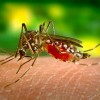
Brazil Measures Rain Against Dengue
Mosquitoes that transmit dengue fever need clean, still water and warm night temperatures to reproduce and thrive. That is common knowledge, but now scientists in Brazil have managed to measure the relation between increased rainfall and temperatures and the risk of dengue epidemics in this city.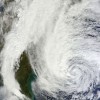
OP-ED: Climate Inaction Is a Clear Failure of Democracy
Around the world, 2012 was the year of extreme weather, when we unequivocally learned that the fossil fuel energy that powers our societies is destroying them. Accepting this reality is the biggest challenge of the brand new year.
Between Drought and Floods – A Year of Extremes in Sri Lanka
Wild elephants are usually the primary attraction in the remote shrub jungles of Udawalawe, about 180 kilometres southeast of Sri Lanka’s capital Colombo. But this Christmas season, the massive Udawalawe dam stole the limelight from the lumbering beasts.
International Aid Helps Cuba Adapt to Climate Change
"Adaptation to climate change is urgent and must be part of development," said Bárbara Pesce-Monteiro, the United Nations resident coordinator in Cuba, assessing the damage done by hurricane Sandy in the eastern region of the country.
Amazon Regional Alliance to Confront the Climate Emergency
“When someone in Peru sneezes, someone in Brazil catches a cold. When a barrel of oil is produced in Ecuador, a neighbouring country ends up buying it,” says prominent environmentalist Yolanda Kakabadse.
Guyana Hits Paydirt on Low Carbon Development Path
Imagine Guyana and Dominica without forests and rivers, or Antigua, Barbados and St. Lucia without beaches.
Bioshields Best Defence Against Disasters
In commemoration of the eighth anniversary of the Asian tsunami, Wednesday was a day of prayer and mourning across the Andaman Nicobar Islands – located at the juncture of the Bay of Bengal and the Andaman Sea – and south India’s coastal Tamil Nadu state, two areas that suffered thousands of casualties on that fateful day.
Forests, Fruit and Fish Could Save Coastal Communities
Scientists predict that in the coming years, Bangladesh will be battered by even more climate disasters than it has already endured. Global warming has caused devastating damage in this lower Himalayan delta country of 150 million people, where seawater intrusion, increasingly intense cyclones, dried up rivers and extreme weather events have become the norm.
Q&A: Mutant Fruit Trees to Grow in Saline Soils in Cuba
During some parts of the year, a layer of salt can be seen on the ground in eastern Cuba, which makes it difficult, and sometimes impossible, to farm. Since agronomist Orlando Coto saw this with his own eyes, he has been searching for salt-tolerant fruit trees.
Funding Restored for U.S. Military Biofuels Programme
Reversing attempts to eliminate the U.S. military’s advanced biofuels programme, both houses of Congress on Tuesday approved major legislation that now presents no obstacles to broad-reaching Defence Department plans to mainstream and spread the use of alternative fuels throughout its operations.
Community Water Management Stuck in Legal Limbo*
Community-based water supply systems, which serve thousands of rural communities in Mexico, are seeking official recognition under the new federal legal framework currently under development.
Women Fight Climate Battles
 From Zimbabwe to El Salvador, women in poor countries suffer the brunt of climate change, but also learn to recover from disasters, to adapt and even to find opportunities in the new weather conditions.
Farmers Need to Grow Climate Smart
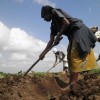
Farmers cannot wait much longer for negotiators to reach an agreement on including a work programme on agriculture in the United Nations Framework Convention on Climate Change. And until one is approved, “it will continue to be difficult for farmers to produce the food needed, and at the same time reduce greenhouse gas emissions."
In Dominica, Diminished Rivers Among Climate Change’s Effects
Eighty-year-old Rupert Lawrence has been living in the Dominica capital, Roseau, for nearly 60 years. Like visitors to the island, he too is fascinated by the fact that the town square has a river running right through its centre.
Frolic Barefoot, But Don’t Leave a Carbon Footprint
As the world’s most tourism-dependent region, with the sector accounting for one in every eight jobs, the Caribbean has much to fear from climate change.
At the Edge of the Carbon Cliff
The most important number in history is now the annual measure of carbon emissions. That number reveals humanity's steady billion-tonne by billion-tonne march to the edge of the carbon cliff, beyond which scientists warn lies a fateful fall to catastrophic climate change.
OP-ED: A Universal Climate Change Agreement Is Necessary and Possible
The results of the United Nations climate change conference that closed in Doha, Qatar on Dec. 8 show once again that the international negotiations are moving steadily in the right direction, but alarmingly slow.
Bicycling to Work in Rio de Janeiro
The cyclists riding in the bicycle lanes along the beachfront avenue of this Brazilian city pass the car drivers stuck in rush hour traffic.
Caribbean Islands Find Economic Advantages in Sustainable Energy
With the exception of oil rich Trinidad and Tobago, most, if not all, other Caribbean islands are extremely vulnerable when it comes to the high costs of imported fuels that are easily disrupted by natural disasters and other phenomena.
Youth Call for ‘Change of Course’ to Solve Climate Crisis
While world leaders were wrapping up the United Nations conference on climate change (COP 18) in Doha, Qatar this past weekend with the annual vague promise to tackle the enormous crises brought on by extreme weather and global warming, a delegation of youth gathered far from the high-level conference halls to say “no” to advocacy without action.« Previous Page — Next Page »


As unsustainable human consumption and production systems are driving changes in average temperatures and weather patterns, "abnormal" is increasingly becoming the norm. So far, a lack of financing has been standing in the way of a comprehensive global plan for climate adaptation, and a global financial crisis has contributed to an increasing reliance on public-private partnerships. Our Climate Change page provides you with the latest news about international and local efforts to address what's frequently been called "the challenge of our time", the forces behind the climate change and the impact it has on the world's most vulnerable populations. Along the way, we bring you stories on growing citizen awareness, new scientific data, and emerging climate policies towards sustainable development.

The Week with IPS

Tracking global progress towards a sustainable world

