
Thursday, November 12, 2026



News and Views from the Global South
Gender Violence

Young Men Break with Machista Stereotypes in Ecuador
At the age of 20, Damián Valencia speaks knowledgeably about every aspect of gender equality. He is a member of Cascos Rosa, a young people's initiative working for cultural change against machismo and violence against women in Ecuador.Women’s Rights Still Denied in Latin America
Latin American states are still failing to provide guarantees for women's educational, sexual and reproductive rights, according to activists from different regions of the world meeting in the Mexican capital.
The Challenge of Being a Maasai Woman
The Maasai tribe of Kenya and Tanzania has long been a beacon of traditional culture to many Africans - and for Westerners on safari through Maasai Mara, Samburu or Amboseli, a familiar face.
Rape Cases Highlight “Colonial” Police Practices
Harsh police handling of public protests erupting across India over a spate of sensational rapes since December has resulted in renewed demands to reform a force that retains the repressive features of its colonial origins.Pentagon Estimates 26,000 Sexual Assaults in U.S. Military Last Year
The U.S. Department of Defence is announcing that reported cases of sexual assault in the U.S. military last year rose again to 3,374, a six percent increase over 2011 and a record high.
Q&A: The Security of a Nation Is Its Women
Nyaradzayi Gumbonzvanda, a human rights lawyer and the general secretary of the global rights network World YWCA, knows what it is like to struggle against poverty and violence: she herself comes from a poor family in Magaya village in Murewa district, which lies northeast of Zimbabwe’s capital Harare.Rohingyas At Home and Nowhere
Rendered the nowhere people in their own homeland, thousands of Rohingya Muslims in Myanmar are fleeing inhuman living conditions, lack of humanitarian aid and rising sectarian tensions in their country. And the very state that is supposed to protect them now stands accused of ‘ethnic cleansing’.
Over 100 Million Women Lead Migrant Workers Worldwide
The face of migration is changing dramatically as women and girls now represent about half of the over 214 million migrants worldwide.Post-Conflict Trauma Haunts Solomon Islands
After ten years of working towards peace and reconciliation in the Solomon Islands in the South Pacific, following a five-year civil conflict known as the ‘Tensions’ (1998-2003) which left 30,000 people displaced and hundreds unaccounted for, people now go about their daily lives in improved freedom and personal security. But below the surface, untreated post-conflict trauma continues to impact many individuals and communities.
U.N. Task Force Purges Stigmas on Sexual Rights
Ishita Chaudhry spent the past 36 hours listening to U.N. delegates discuss population growth and development. She noticed that on “controversial” topics, such as sexual and reproductive rights, young people’s voices often get lost.
Austerity Leaves Domestic Violence Victims Stranded
Up to a quarter of women in Europe have experienced domestic violence at some point in their lives, according to the Council of Europe. But despite the widespread nature of the phenomenon, more often than not we ignore it. A short video launched last month in Serbia managed to break this silence.
BOOKS: A History of the Search for Justice in the Middle East
It’s no wonder that Egypt has floundered in its efforts to create a more democratic system from the ruins of the Mubarak regime.Their Missing Daughters
It is as if they have given up hope of ever seeing their girls again. They are an Adivasi family from a remote village in Assam state in India, nestled in the Himalayan foothills. The picturesque surroundings belie the hollowness they feel within.
Insecurity the “Achilles’ Heel of Development” in Latin America
Development experts here are warning that widespread, unchecked violence against citizens in Latin America is posing a threat to the development of the entire region.
Q&A: Why ‘Rape Victims Must Talk About Their Trauma’
Rape is often perceived as an individual trauma, but in reality its impact extends far beyond a single person and instead affects entire communities, complicating the already challenging task of helping victims of sexual violence.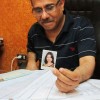
Missing Christian Girls Leave Trail of Tears
When a young Christian girl goes missing in the Egyptian port city of Alexandria, her family will call on a certain Muslim sheikh in the nearby town of El-Ameriya.
High Stakes for Engaging Morsi’s Egypt
Women and minorities should be a top priority in U.S. policy toward Egypt and its Muslim Brotherhood government leaders, experts here said on Friday, despite increasingly unfavourable public views towards Egypt.Kyrgyzstan Officials Taking Cultural Right Turn
Authorities at Kyrgyzstan’s Ministry of Culture want to ban a play that discusses domestic abuse and sexual violence because it “promotes scenes that destroy moral and ethical standards and national traditions of the peoples of Kyrgyzstan.”
Gender Violence, Theft Land Women in Cuban Prisons
The life histories of Cuban women in prison for murdering their violent husbands or boyfriends show the need for reforms of the criminal code to take account of gender reasons as mitigating factors in sentencing.Impunity, Machismo Fuel Femicides in El Salvador
Several brutal, high-profile murders of women in the last few weeks in El Salvador are just the latest reminder that this is one of the countries in the world with the highest number of femicides, the term used to describe the killing of women because they are female.
OP-ED: Women Breaking the G8 Iron Door
In a London boardroom today - on Apr. 10 - a new era in the longstanding fight to stop gender violence in conflict will be ushered in. Eight Foreign Ministers from the wealthiest countries around the world, the G8, will discuss conflict-related sexual violence and - if all goes according to plan - will emerge with a clear set of commitments to help end the global scourge.« Previous Page — Next Page »


One in three women around the world have been subject to violence. Women face physical, sexual, and psychological violence in both public and private. Taking forms such as violence in the intimacy of a relationship, human trafficking, and sexual exploitation, gender violence is an issue that affects women in all countries. Only two-thirds of countries have outlawed domestic violence, leaving millions of women unprotected from abuse including from marital and de facto partners in many cases. Additionally, through human trafficking countless women are subjected to sexual exploitation and sexual violence, including horrific acts such as genital mutilation. Today many actors from individuals, to multinational organizations work to address these issues. These articles help to shed light on the violence that women experience every day and how its is being addressed.

The Week with IPS

Tracking global progress towards a sustainable world
