Languages
Thursday, November 26, 2026



News and Views from the Global South
Global Governance
IAEA’s “Soviet Nuclear Scientist” Never Worked on Weapons
The report of the International Atomic Energy Agency (IAEA) published by a Washington think tank Tuesday repeated the sensational claim previously reported by news media all over the world that a former Soviet nuclear weapons scientist had helped Iran construct a detonation system that could be used for a nuclear weapon.Strike Prolonged in Controversial Papuan Mine
Union workers at Freeport Indonesia's Grasberg copper mine said they could extend their strike by another month, which would make it the longest mining stoppage in the country's history.
CANADA: Harper Government Guts Environment Programmes
Canada's Stephen Harper government is spending more than 60 billion dollars on new military jets and warships while slashing more than 200 million dollars in funding for research and monitoring of the environment.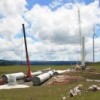
Brazilian Winds Fuel Green Job Creation
The term "green jobs", coined to describe employment that contributes in some way to preserving or restoring the environment, is increasingly entering the vocabulary of companies keen to respond to the social demand for a cleaner economy.
ENVIRONMENT: Nepali Women Live With Climate Terror
Suntali Shrestha wrings her hands in tension and despair as she recounts how she has been spending sleepless nights fearing that the flood alarm in her village would go off while she slept and she would be submerged.
IRAN: Nuclear Watchdog Details Pre-2003 Weapons Research
A new report on Iran's nuclear programme provides substantial evidence that Iran carried out extensive research into how to make a nuclear weapon prior to 2003 but is shaky about how much work has continued.
Haitian Cholera Victims Seek Reparations from U.N.
More than 5,000 Haitian cholera victims are seeking compensation, action and an apology from the U.N. and the United Nations Stabilisation Mission in Haiti (MINUSTAH) for the ongoing epidemic that has killed more than 6,600 Haitians and sickened more than 476,000 since October 2010.
Brazil Takes the Fight Against Hunger Abroad
The Brazilian government is extending its fight against hunger to the world stage, by inaugurating a Centre of Excellence Against Hunger to transmit its positive experiences to other developing countries with the help of United Nations agencies.Global Crisis Makes U.N. Reform Imperative
Reinventing the United Nations is crucial to protect the poorest inhabitants of the planet, at a time when the global economic crisis, the effects of climate change, and food insecurity are undermining development efforts.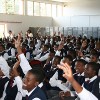
U.S. Move Hurts More Than UNESCO
The United States’ decision to cut funding for the United Nations Educational, Scientific and Cultural Organisation will hurt the specialised agency’s work, officials here say.
“Who Lost Iraq” Debate Fails to Get Traction
Two weeks after President Barack Obama announced the withdrawal of all remaining U.S. troops from Iraq by the end of next month, a familiar clutch of neo-conservative hawks and prominent Republicans are blaming the president for "losing" the Middle Eastern country to its neighbour and long-time Washington nemesis, Iran.
Afghan Theatre Group Lets War Victims Tell Their Stories
On a small stage, a woman appears, grief written on her face as she wanders through the streets of Kabul, searching for her missing child. Suddenly, she stops by a scene of ruins and stares.ISRAEL: To Strike Iran or Not, With the US or Not
Preceding the UN atomic watchdog's report on Iran's nuclear quest, a flurry of reports about Israel increasingly tilting towards preventive military action against Iran highlights U.S. military support of Israel, but tests its influence over its ally.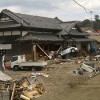
JAPAN: Women Fight to Save Fukushima’s Children
Hundreds of Japanese women have been converging on the Japanese capital demanding better relief for some 30,000 children exposed to nuclear radiation by the Fukushima meltdown.OP-ED: A Rio+20 Activist Manifesto and Action Plan
Unless civil society activists launch their own programme of action at the United Nations Conference on Sustainable Development in Rio de Janeiro next summer (Jun. 4-6), the event will be little more than an expensive talkfest.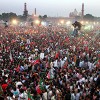
PAKISTAN: Cricket Idol Bowls Political Googly
He could be Pakistan’s Obama, although he spews venom at the United States government for its drone attacks and its policies in the region. But Imran Khan speaks of change and, like Obama, enjoys huge online support from the youth.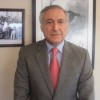
Q&A: “Reducing Inequality Should Be a Political Priority”
According to the Human Development Report 2011 released by the United Nations Development Programme (UNDP) this week, Latin America remains the region with the highest income inequality, even as the situation has improved in countries like Argentina, Brazil, Honduras, Mexico and Peru.Anti-Castro Cuban Americans Fret Over Drilling Rig
With a giant deep-water oil rig steaming slowly toward the Gulf of Mexico and the waters just off Cuba, the administration of President Barack Obama is being pushed and pulled by different interests over what, if anything, to do about it.
As Arab Spring Turns to Winter, Women Fear Pushback
For the women who participated in the political and social revolutions during the Arab Spring in 2011, there is a significant opportunity to enact real change for women's roles and relationships in the region - and also the possibility things could go the other way.
Africa’s Free Trade Zone: A Pie in the Sky?
African heads of state have ambitious plans to create a free trade zone, encompassing 26 countries and more than 600 million people on the continent. But economic experts warn the project is a bold step that comes with a plethora of legal, administrative and political hurdles. Others suggest the plan might be a pie in the sky.
Brazil’s Health System Inspires Abroad, Frustrates at Home
News that the government of South Africa was inspired by Brazil's health system in setting up its own universal coverage scheme might meet with scepticism in this South American country.« Previous Page — Next Page »


The Week with IPS

NEXT STOP - SDGs
Tracking global progress towards a sustainable world
