Languages
Wednesday, November 11, 2026



News and Views from the Global South
Headlines

Davos Fails on Financial Transparency – And Everything Else
At this year’s World Economic Forum (WEF) at Davos which ended last week, the attention of the world’s financial and economic elite was captured by the war in Ukraine whose president Volodimir Zelensky used his address to call to “complete withdrawal of foreign businesses from the Russian market”, despite 380 of the largest multinational companies still operating in Russia.
Xenophobia-hit Zimbabweans Saving Country’s Dead Economy
Two decades ago, Trynos Mahamba left Zimbabwe for the United Kingdom, but back home, he has changed the lives of his relatives. Since the day after he left, Mahamba (53) has been sending money home while Zimbabwe’s economy faltered amidst violent land seizures from commercial white farmers during Zimbabwe’s land reform programme.
How the Russia-Ukraine Conflict Impacts Africa
While Africa is yet to fully recover from the socio-economic repercussions of the COVID-19 pandemic, the Russia-Ukraine conflict poses another major threat to the global economy with many African countries being directly affected.
Rivers Have no Borders: The Motto of Their Defenders in Peru
"Water is part of our culture, it is intrinsic to the Amazon," said José Manuyama, a member of a river defense committee in his native Requena, a town located in the department of Loreto, the largest in Peru, covering 28 percent of the national territory.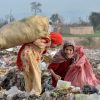
Upset with the Opulence of the Rich? But the World’s Children Are Paying the Bill
The excesses committed by rich people can be deadly–and in fact they are. Be it about food, energy or overall waste, such excesses have been depleting the world's natural resources and pushing both current and future generations towards the edge of a predictable abyss.
A Global Food Crisis: Shortage Amidst Plenty
India is being asked by the US government and the IMF to reconsider its decision to suspend wheat exports. Their cited concern is that export restrictions will exacerbate food shortages amidst Russia's invasion of Ukraine. But the argument does not stand ground technically or morally.
UN “Deeply Troubled” by Impending Cuts on Development Aid by Rich Nations
The four-month-old Russian invasion of Ukraine, which has triggered a hefty increase in military spending among Western nations and a rise in humanitarian and military assistance to the beleaguered country, is now threatening to undermine the flow of Official Development Assistance (ODA) to the world’s poorer nations.
COVID and Discrimination Aggravated Maternal Mortality in Latin America
Brazil had the dubious distinction of champion of maternal mortality in Latin America during the COVID-19 pandemic, with a 77 percent increase in such deaths between 2019 and 2021.
Weathering a ‘Perfect Storm’ of Cascading Crises
Climate change, COVID-19, the war in Ukraine – these crises threaten to derail development for 1.7 billion of the world’s most vulnerable people. The international community must take swift, coordinated action now to put the SDGs back on track.
Child Labour Survivor Has a Dream of Freeing Others
Selimatha Dziedzorm Salifu was just seven years old when she went to work for the first time to support her family. Born in the fishing village, Kpando-Torkor, in Ghana, Salifu, was forced to go out and work in the local fishing industry when her father Seidu died, leaving her mother, Mary, with six children to feed, clothe and shelter. The industry is well documented for child slavery and trafficking.
Gender Sensitivity Key to Achieving Climate Justice
While the climate crisis affects virtually every aspect of life, its impacts are not felt equally. A person’s vulnerability to climate change varies depending on their position in society, such as socioeconomic status, dependence on natural resources, and capacity to respond to natural hazards. Since different genders often experience different social standings, gender has emerged as a key element to consider for effective climate planning and adaptation.
Food Banks are Early Warning Systems for Emerging Food Crises, but also a Key Solution
For months, the specter of a global hunger crisis has been looming. The war in Ukraine is a compounding factor, blocking key value chains for food and fertilizer just as the world reckons with the impacts of the COVID-19 pandemic on global hunger.
What We Know About Mass School Shootings in the US – and the Gunmen Who Carry Them Out
When the Columbine High School massacre took place in 1999 it was seen as a watershed moment in the United States – the worst mass shooting at a school in the country’s history. Now, it ranks fourth.
All Africa Student Leader says Political Will, Collective Action, Education and Social Packages Can End Child Labour
Samuel Sasu Adonteng, programme officer for the All-Africa Students Union (AASU), believes that the recent 5th Global Conference on the Elimination of Child Labour has taken us closer to ending child labour for the first time because the voices of those affected were heard.
Not Enough Clean Water in Europe? Who Cares…
So busy as they are with strengthening military alliances and devoting billions of taxpayers' money to double their war budgets and subsidise fossil fuels, European Governments seem not to care about the reiterated alerts that their continent faces a serious risk: the reduced availability -and more polluted– drinking water.
Climate Change Poses Risks: COP27 Presents Unique Opportunity for Africa
Ambassador Maria de Jesus dos Reis Ferreira was appointed in February 2018 as the Permanent Representative of Angola to the UN, the first woman to hold the position.
Without Peace, Hunger Will Continue to Increase
If the war in Ukraine, that was initiated three months ago, does not end, and without a reduction in the growing number of conflicts in other parts of the world, hunger will only continue to increase.
Ukraine Refugee Rape Survivors Struggle to Access Abortions in Conservative Poland
An ultraconservative group in Poland has begun checking with hospitals to find out if Ukrainian refugees are being offered terminations in line with the country’s strict abortion laws amid warnings refugee victims of rape are struggling to access local help and clinical services.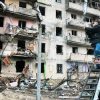
So, Germany’s to Blame for Putin. Really?
Putin’s brutal invasion of Ukraine has sparked a new introspection in the West. A number of commentators, most of them writing from the US and the UK, have come up with their latest scapegoat: Germany’s to blame, they say, with its decades-long policy of appeasing Russia. Really?
Corruption Kills
Nigeria’s accountant-general, the administrative head of the country’s treasury, has been arrested by the Economic and Financial Crimes Commission for allegedly stealing 80 billion naira ($134 million). This is a staggering theft in a country that has an estimated poverty rate of 95 million (48% of the population) and some of the worst health indices in the world.
Former Child Labourer Says Free Quality Education Key to Ending Child Labour
Lucky Agbavor sleeps on a mattress in a church in Accra, Ghana sells juice to earn an income, and has been a child labourer since he was four. Now he has made an impact on the international stage when he participated in the 5th Global Conference on the Elimination of Child labour.« Previous Page — Next Page »





