Languages
Thursday, November 19, 2026



News and Views from the Global South
Asia-Pacific

Climate Change Takes Centre Stage in U.S.-China Talks
The United States and China have agreed on a suite of potentially far-reaching initiatives aimed at cutting greenhouse gas emissions in the world’s two largest economies and largest polluters.
When Children Give Birth to Children
Radhika Thapa was just 16 years old when she married a 21-year-old boy three years ago. Now, she is expecting a baby and is well into the last months of her pregnancy. This is not the first time she has been with child – her first two pregnancies ended in miscarriages.
No Evidence for Charge Iran Linked to JFK Terror Plot
Alberto Nisman, the Argentine prosecutor who was prevented by Argentine President Cristina Kirchner from testifying before a U.S. House subcommittee investigating alleged Iranian terrorist networks in the Americas here this week, claimed in a recent report that Tehran was involved in a 2007 plot to blow up fuel tanks at New York's John F. Kennedy Airport.
Taliban Ban Has Crippling Effects on Children
Four-year-old Muhammad Jihad is handicapped, and his parents know who to blame: the Taliban.
U.S. Retailers Unveil Contentious Bangladesh Safety Agreement
An alliance of 17 major U.S. brands and retailers, including Walmart and the Gap, has unveiled a five-year agreement aimed at strengthening conditions and worker rights at garment factories in Bangladesh.
War or Peace, Sri Lankan Women Struggle to Survive
It has been four years since the guns fell silent in Sri Lanka’s northern Vanni region, after almost three decades of ethnic violence. Unfortunately peace does not mean the end of hardship for the most vulnerable people here: the women.Faulty Voter Rolls Could Undermine Cambodia’s July Elections
With the Cambodian national assembly elections fast approaching on Jul. 28, local and international organisations are expressing concerns about the fairness and transparency of the electoral system.
Indonesia’s Recurring Forest Fires Threaten Environment
Indonesia's forest fires, a predictable annual ritual, will continue to have serious implications for health and the environment in Southeast Asia unless the government strengthens forest protection, warn environmental groups.
Afghanistan Faces Slim Chance of Post-Occupation Peace Deal
The prospects for a peace settlement and power-sharing in Afghanistan following the scheduled U.S.-led troop withdrawal in 2014 are grim, according to a report presented here Monday.
A Floral Touch to Employment in Kashmir
As a little girl, Rubeena Begum had big plans: she would become a doctor and secure a decent income working in one of the 30 hospitals in the Himalayan state of Kashmir in north India.Shining Light on the Uzbek Government’s Dark Side
Uzbek leader Islam Karimov has taken cosmetic steps lately, such as voicing support for probing journalism, to try to put a more human face on his regime. But the true nature of the Uzbek government can be discerned in a treason case against a former military intelligence official.
Nepal Scores Low on Quality Education
Sabitri Kumari Das, a middle-aged mother of two, is rightfully worried about her two young daughters: both girls attend a public primary school in Nepal’s capital, Kathmandu, and neither one of them seems to be advancing academically.Georgia’s New Government Struggling to Keep Police Reform Pledge
Georgian Prime Minister Bidzina Ivanishvili rose to power in 2012 on a pledge to depoliticise the powerful police force created by President Mikheil Saakashvili following the 2003 Rose Revolution.
Fighting Drought, One Pond at a Time
 Bangladesh, a country of 150 million people who depend on rice as their main staple, is gearing up for drought. Already huge areas of the rice-producing regions are on a knife's edge, as elusive rains and hotter temperatures team up on thirsty paddy fields and threaten to disrupt food supply.

Civil Society Fears Taliban Return
While United States President Barack Obama and Afghan leader Hamid Karzai scramble to solidify a peace process ahead of the 2014 withdrawal of NATO troops from Afghanistan, fears that the Taliban will use the drawdown to seize power hang like a dark cloud over civil society.
The Classrooms Are Full – but the Students Can’t Read
Many Pacific Island nations are celebrating the success of rising school enrolment rates, with 14 members of the 16-member Pacific Island Forum on target to meet Millennium Development Goal 2: achieving universal primary education by 2015.
Girls Fight Back Against Child Marriage
Shirin Aktar was just 13 years old when her parents decided it was time for her to get married.
Leasehold Forestry Breathes New Life into Nepal
Over 40 percent of Nepal is covered in thick forest, but most of it has been degraded. Rural communities that have traditionally relied on the forests for survival now live in abject poverty, struggling to secure the food necessary for survival. Most men have migrated to the Gulf in search of employment.
Intelligentsia Feud Flares in Dushanbe
Official recognition as a member of the intelligentsia in present-day Tajikistan means lots of perks, including apartments and access to state-funded vacation resorts. In exchange, members – described as the “conscience of the nation” – are expected to support incumbent authorities.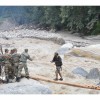
In the Land of the Gods, Disaster Response Falls Short of Divine
Over 580 bodies have so far been found. Hundreds more will likely never turn up. Survivors say they are suspended in a kind of nightmare, either haunted by memories of their brush with death or desperate for news of loved ones. At least 3,000 are reported to be missing.
China Leads Battle Against Poverty, Says U.N.
The United Nations has singled out China - the world's most populous country with over 1.3 billion people - as one of the key success stories in the longstanding battle against poverty.« Previous Page — Next Page »


The Week with IPS

NEXT STOP - SDGs
Tracking global progress towards a sustainable world
Tracking global progress towards a sustainable world
