
Thursday, November 19, 2026



News and Views from the Global South
Climate Change

Dominica Sees Geothermal as Key to Carbon-Negative Economy
What a difference a trip makes. Before visiting the French island of Guadeloupe, Alfred Rolle had vocally expressed fears about the possible health effects of a decision to drill geothermal wells in the village of Laduat on the outskirts of Dominica's capital.
Are the Masdarians the new Jetsons?
 Back in 2006, when the government of Abu Dhabi — a Middle Eastern emirate that controls eight percent of the world's oil reserves — announced that it would build "the world's first zero-carbon city," skeptics took it with a pinch of salt. Few believed it would be possible.

Vote, Violence and Weather Top 2012 U.S. TV News
The presidential election topped news coverage in 2012 from the three major U.S. television networks, closely followed by violence in the United States and Middle East, and extreme weather events in the United States, according to the latest annual review by the authoritative Tyndall Report.
Investments Go Green in Peru
Peru’s economic growth is largely dependent on its wealth of natural resources, which provide over 50 percent of the country’s gross domestic product (GDP) and 80 percent of exports. In view of this fact, the government is developing a project for the valuation and protection of this natural bounty.
Peering into the Energy Crystal Ball
Trying to predict the future of the energy sector is like trying to predict the weather in London in an era of global warming. But delegates had a go at it during the three-day World Future Energy Summit that ended in Abu Dhabi on Jan. 17.OP-ED: Organic Farming Movement Marginal but Growing Worldwide
Despite the growing worldwide demand for organic food, clothing and other products, the area of land certified as organic still makes up just 0.9 percent of global agricultural land, with 37 million hectares being farmed organically.
National Legislation Key to Combating Climate Change
A majority of major economies have made significant progress in addressing climate change, with countries like South Korea and China taking aggressive action so they can benefit from energy- and resource-efficient economies, a new report released Monday found.
In Caribbean, Climate-Smart Agriculture Bolsters Farm Production
A new initiative is catching on in the Caribbean that aims to increase and sustain agricultural productivity by incorporating information about weather and climate into the farming process, all under the umbrella of climate-smart agriculture.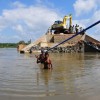
Experts Fear Collapse of Global Civilisation
Experts on the health of our planet are terrified of the future. They can clearly see the coming collapse of global civilisation from an array of interconnected environmental problems.
U.N. Aims at Sustainable Energy for All by 2024
When the General Assembly wound down its 67th session in late December, it underscored the key role for energy in the U.N.'s post-2015 economic agenda by declaring 2014-2024 the "Decade of Sustainable Energy for All".
More Aging U.S. Coal Plants Hit the Chopping Block
Georgia Power, a subsidiary of Southern Company, one of the largest utilities in the U.S. south, plans to retire 15 coal and oil-fired energy generating units at four different plants, in the latest sign that a national campaign against coal is gaining traction.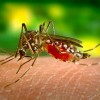
Brazil Measures Rain Against Dengue
Mosquitoes that transmit dengue fever need clean, still water and warm night temperatures to reproduce and thrive. That is common knowledge, but now scientists in Brazil have managed to measure the relation between increased rainfall and temperatures and the risk of dengue epidemics in this city.
OP-ED: Climate Inaction Is a Clear Failure of Democracy
Around the world, 2012 was the year of extreme weather, when we unequivocally learned that the fossil fuel energy that powers our societies is destroying them. Accepting this reality is the biggest challenge of the brand new year.
Between Drought and Floods – A Year of Extremes in Sri Lanka
Wild elephants are usually the primary attraction in the remote shrub jungles of Udawalawe, about 180 kilometres southeast of Sri Lanka’s capital Colombo. But this Christmas season, the massive Udawalawe dam stole the limelight from the lumbering beasts.
International Aid Helps Cuba Adapt to Climate Change
"Adaptation to climate change is urgent and must be part of development," said Bárbara Pesce-Monteiro, the United Nations resident coordinator in Cuba, assessing the damage done by hurricane Sandy in the eastern region of the country.
Amazon Regional Alliance to Confront the Climate Emergency
“When someone in Peru sneezes, someone in Brazil catches a cold. When a barrel of oil is produced in Ecuador, a neighbouring country ends up buying it,” says prominent environmentalist Yolanda Kakabadse.
Guyana Hits Paydirt on Low Carbon Development Path
Imagine Guyana and Dominica without forests and rivers, or Antigua, Barbados and St. Lucia without beaches.
Bioshields Best Defence Against Disasters
In commemoration of the eighth anniversary of the Asian tsunami, Wednesday was a day of prayer and mourning across the Andaman Nicobar Islands – located at the juncture of the Bay of Bengal and the Andaman Sea – and south India’s coastal Tamil Nadu state, two areas that suffered thousands of casualties on that fateful day.
Forests, Fruit and Fish Could Save Coastal Communities
Scientists predict that in the coming years, Bangladesh will be battered by even more climate disasters than it has already endured. Global warming has caused devastating damage in this lower Himalayan delta country of 150 million people, where seawater intrusion, increasingly intense cyclones, dried up rivers and extreme weather events have become the norm.
Q&A: Mutant Fruit Trees to Grow in Saline Soils in Cuba
During some parts of the year, a layer of salt can be seen on the ground in eastern Cuba, which makes it difficult, and sometimes impossible, to farm. Since agronomist Orlando Coto saw this with his own eyes, he has been searching for salt-tolerant fruit trees.
Funding Restored for U.S. Military Biofuels Programme
Reversing attempts to eliminate the U.S. military’s advanced biofuels programme, both houses of Congress on Tuesday approved major legislation that now presents no obstacles to broad-reaching Defence Department plans to mainstream and spread the use of alternative fuels throughout its operations.« Previous Page — Next Page »


As unsustainable human consumption and production systems are driving changes in average temperatures and weather patterns, "abnormal" is increasingly becoming the norm. So far, a lack of financing has been standing in the way of a comprehensive global plan for climate adaptation, and a global financial crisis has contributed to an increasing reliance on public-private partnerships. Our Climate Change page provides you with the latest news about international and local efforts to address what's frequently been called "the challenge of our time", the forces behind the climate change and the impact it has on the world's most vulnerable populations. Along the way, we bring you stories on growing citizen awareness, new scientific data, and emerging climate policies towards sustainable development.

The Week with IPS

Tracking global progress towards a sustainable world

