Languages
Friday, November 20, 2026



News and Views from the Global South
Editors' Choice

Indian Women Talk About Sex – in Cyberspace
When 30-year-old Rita Datta (not her real name) decided on a whim to take a computer literacy course, she fell through the metaphoric looking glass into a virtual reality where the most taboo subject in India was transformed into the most simple and natural topic of conversation: sex.
The Girl Who Couldn’t Herd Goats Now Saves Lives
When she was nine years old, Jane Meriwas, a Samburu from the Kipsing Plains in Kenya’s Rift Valley region, was considered of no use by her father. After all, nine of his goats had been eaten by hyenas under her watch.
The Future of the Pacific Ocean Hangs in the Balance
The immense scale of the Pacific Ocean, at 165 million square kilometres, inspires awe and fascination, but for those who inhabit the 22 Pacific island countries and territories, it is the very source of life. Without it, livelihoods and economies would collapse, hunger and ill-health would become endemic and human survival would be threatened.
First Prisoners’ Trade Union Defends Rights in Argentina
The first prisoners’ union in Argentina, a country with a strong organised labour tradition, fights for the rights of inmates.
In Southern Tunisia, Pollution No Longer Swept Under the Rug
The story of Gabès and the local phosphate industry follows a plot that is all too familiar: an underdeveloped town located in an industrial region boasts one major lucrative industry with high output and export values, but the local population and surroundings experience alarming levels of illness and environmental blight.
Sierra Leone’s Child Trafficking to Blame for Street Kids
On a street corner in downtown Freetown, Sierra Leone’s capital city, 12-year-old Kaita sits with a friend on a peeling steel railing watching the headlights of motorbikes cruising through the otherwise silent streets. It is after midnight, and motionless human forms lie curled up in doorways or stretched out on pavements nearby. For Kaita, these streets are home, and have been for almost six years.
Mexico’s Institutions Overwhelmed by Scale of Forced Disappearances
Mexican police officer Luis Ángel León Rodríguez disappeared along with six other officers and a civilian on Nov. 16, 2009, in the western Mexican state of Michoacán. Six days later, his mother, Araceli Rodríguez, began her ceaseless search.
Gezi Park Highlights Years of Destructive Urban Development
Few imagined that the symbolic act of standing in front of bulldozers in Istanbul's Gezi Park in an effort to block a development project near the city's central square would have caused the reaction it did.Turkey’s Excessive Neo-liberalism Threatens ‘Peace at Home’
"Peace at home, peace in the world" is the official motto of the Turkish Republic. Coined in 1931 by the republic's founder, Mustafa Kemal Ataturk, it implies a causal relationship, but the events this week in Istanbul and dozens of other cities of Turkey suggest that causality can work in reverse order, too.
Overcoming “Strategic Suspicion” – Goal of Obama-Xi Summit
This week’s relatively informal and unscripted summit between the presidents of the United States and China on a private estate in southern California is being welcomed by most analysts here as a virtually unprecedented opportunity for each side to gain a better understanding of the strategic aims of the other.
U.N. GA Cold Shoulders International Day Against Homophobia
The 193-member U.N. General Assembly (UNGA), in its supreme wisdom, has declared over 100 commemorative "days" dedicated to peacekeepers, refugees, children, migrants, girl children, rural women and indigenous people, among others.
Good Health Lies Just Across the Border
Muzaffar Shah, a shopkeeper from Kabul, sits in a hospital waiting room, desperate for news. He has travelled nearly 300 km to get to the Khyber Teaching Hospital in Peshawar, capital of northern Pakistan’s Khyber Pakhtunkhwa (KP) province, where his wife is now in intensive care.
Reactions to Gay Marriage Contradict French, Portuguese Stereotypes
The heated reaction to the legalisation of same-sex marriage has run counter to the widespread image of France as the cradle of the modern republic and equal rights since the 1789 revolution. In contrast, Portugal with its reputation for prudishness, has shown itself to be much more open and tolerant.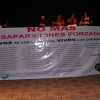
Mexico’s Desaparecidos: Unspoken, Unseen, Unknown
The last time Enrique Rangel heard his brother Héctor's voice was on the night of Nov. 10, 2009, when he called and said “they’re coming, they already stopped me and asked for money, and I already paid, but they’re coming.”
Native People More Than Just Park Rangers
Some good-byes can actually mean the start of a long road working together. That was how it felt at the end of the World Indigenous Network (WIN) conference in this northern Australian city.
Nicaraguan Women May Have to Negotiate with their Abusers
Conservative sectors in Nicaragua have launched an offensive against the Comprehensive Law Against Violence Toward Women, seeking amendments including an obligation for women victims to negotiate with their abusers, human rights groups reported.
Dreams of Education Fly Away for Ghana’s Working Kids
It is a school day but 13-year-old Musah Razark Adams, a Grade 5 primary school pupil in Wuba, northern Ghana, is standing in a rice field wielding a “koglung” – a sling shot to hit birds with.
Chevron Rejects Shareholder Demands to Explain Record Political Spending
At an annual shareholder meeting held Wednesday, upper-level management for the oil conglomerate Chevron faced renewed questioning over its record-setting political contributions during last year’s national election.
Sharing Indigenous Knowledge from All Ends of the Globe
This city in northern Australia brought them together to share their experiences this week. They are indigenous Shipiba people fighting indiscriminate logging in Peru’s Amazon jungle region and delegates from the Ando-Kpomey community in Togo, which created and protects a 100-hectare forest.
The Bitter Taste of Liberia’s Palm Oil Plantations
Sackie Qwemie works for Equatorial Palm Oil, the company that took his land in northwestern Liberia.
From Slum Girl to World Chess Prodigy
Phiona Mutesi was a muddy, desperate nine-year-old foraging for food in Uganda’s biggest slum, Katwe, when she discovered, through her older brother Brian, a chess programme.« Previous Page — Next Page »


The Week with IPS

NEXT STOP - SDGs
Tracking global progress towards a sustainable world
Tracking global progress towards a sustainable world
