Languages
Friday, November 20, 2026



News and Views from the Global South
Gender
Mind the Women’s Business
"We want to hear each others’ stories on how we have coped with changes, how we have got to where we are now and thus how we can be an inspiration to others," says Anna Loa Olafsdottir, one of the people behind a group of women in southwest Iceland who call themselves SKASS.
Saving Mothers’ Lives One Midwife at a Time in South Sudan
Martha Borete Angela’s gaze sinks to the ground as she admits neither of her two children was delivered by a midwife or doctor. The 28-year-old South Sudanese woman shared this fact in front of her classmates: first-year students in a programme for midwives at the Catholic Health Training Institute in Wau, a city in the western part of the country.
Africa’s Political Instability Hinders Maternal Health Progress
Political instability, civil strife and humanitarian crises in Africa have over the past decades reversed countless maternal health development gains on the continent, health experts warn.
Q&A: “We Are on the Road to Overcoming Impunity” in Guatemala
"To achieve peace, it is necessary for the truth to come out, and for the victims to receive reparations. And part of this is that cases of genocide and crimes against humanity against the Maya people must come to trial," says Guatemalan indigenous leader Rosalina Tuyuc.Malaysians Miss Indonesian Hired Help
Ideally, Malaysia’s affluent households could meet their need for domestic help by tapping on Indonesia, a large country with linguistic and cultural similarities - but Jakarta has placed a ban on its nationals working as domestics in the neighbouring country.
Libyan Youth Yearn for Normalcy
Young men and women socialise together at Tripoli University’s ‘campus B’ tarmac parking lot as they prepare to sit for examinations during this tumultuous school year.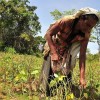
Gender Empowerment Still Lags Far Behind in Global Village
When the United Nations concluded a two-week session highlighting the plight of rural women last week, the meetings singled out both the achievements and shortcomings of the ongoing relentless battle for gender equality in a world still dominated - and overwhelmingly ruled - by men.
Q&A: Cultural Sensitivity Key to Reaching Rural Women
Empowering rural women in the Iraqi marshlands, who mostly remain off the radar of international support, must involve local languages and dialects as well as local women trainers, says Mishkat Al Moumin, founder of the Iraqi group Women and the Environment Network (WATEO).
Q&A: Group Founded by Rape Survivors Lifts Up Haitian Women
In Haitian refugee camps, women are still crammed under plastic or cloth tarps that provide no security and quickly become overheated by the sun. Sexual abuse, harassment, assault and rape run rampant, even as political responses to these dangers have stalled. But KOFAVIV, a women's organisation founded by and for rape survivors, offers a glimmer of hope.
Q&A: Prevention Is the Best Cure for Gender Violence
As many as seven in 10 women in the world report experiencing physical and/or sexual violence at some point in their lifetime, leaving a devastating aftermath for individuals, communities and nations.Women Have New Weapon against Domestic Violence in Argentina
Women victims of domestic violence in a city in Argentina will be given an electronic device with a panic button that will bring them immediate assistance from the police.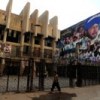
Porn in the Land of the Pure
Dark and smoky, the cinema hall reeks of hashish. An overly made-up woman on screen in provocatively figure-hugging clothes dances suggestively to the beat of loud music. The audience, all men, cheer and whistle. The music stops, the scenes get racier and sexually titillating. The crowd abandons all caution. The whistles turn to grunts and growls, chairs begin to bang.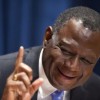
U.N. Aims at Major Global Conference on Women in 2015
As the race towards gender equality moves at an exceedingly slow pace, the United Nations is calling for a major international conference on women in 2015 - 20 years after a landmark meeting in Beijing in 1995.
Acid Survivors Fight Back: A Story of Hope Amidst Despair
When the Oscar-nominated film "Saving Face" won an Academy Award in Hollywood for Best Documentary (Short Subject), it was the triumph of several "firsts": the first time ever that a Pakistani filmmaker had won an Oscar; Pakistan's first Oscar winner was a woman; and it was the first time that an American and a Pakistani had co-directed an Oscar-winning film.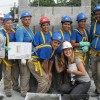
Brazilian Women Are the World’s Happiest
Money may not buy happiness – but it has helped make women in Brazil become the happiest, most optimistic women in the world, according to a study.
Q&A: How to Analyse a Budget’s Impact on Female Empowerment
Tools such as "gender markers", which screen budgets and resources dedicated to promoting gender equality, are proving critical to improving the effectiveness of monetary support that seeks to empower women and girls.
PHILIPPINES: Women Weather Climate Change
As the world commemorates International Women’s Day today, women around the globe are speaking out on various issues that affect them. In light of recent natural disasters and calamities in the Philippines, women are increasingly citing climate change as one of their most pressing concerns.
CHILE: Promoting Women’s Empowerment on Two Wheels
What does riding a bike have to do with women’s rights? According to the Chilean feminist group Macleta, which promotes cycling and a gender perspective on public transport, a bicycle is a powerful tool for social change.
Arab Women Bring Spring to the Screen
Women have been at the forefront of each uprising in the Arab world. Last week, the ‘8 Arab Women Filmmakers’ festival offered a platform to Arab women directors to give their perspectives on the future of the region.
Following the Money Trail in Gender Financing
Promising methods of tracking aid funding intended to improve women's and girls' livelihoods also offer the possibility of revealing whether donors and policymakers are walking the walk when it comes to gender financing.U.S. Lags in Legalising Women’s Rights Treaty
The United States has fallen behind. Many other countries have already implemented it, but the United States still has yet to ratify the Convention on the Elimination of All Forms of Discrimination Against Women (CEDAW), which promotes women's rights as human rights.« Previous Page — Next Page »


Women make up half the world's population, but don't nearly share half of the world's wealth, well-being and opportunity. Two-thirds of the world poor are women, disproportionally exposing women to precarious living conditions, disease and unmitigated natural disasters. The media, meanwhile, remains a male-dominated sector in much of the world, contributing to women's voices lacking a crucial amplifier to put their concerns on political agendas and unleash the development potential of their ingenuity. Rather than then stereotypical victims of local and global forces, women are also organizer, innovators, conservators and community builders. These are some of their stories.

The Week with IPS

NEXT STOP - SDGs
Tracking global progress towards a sustainable world
Tracking global progress towards a sustainable world
