Languages
Friday, November 20, 2026



News and Views from the Global South
Gender

War on Terror Traumatises Pakistani Women
Collateral damage caused by the ‘war on terror’, prosecuted by the United States and its allies in Afghanistan since 2001, may well extend to psychological trauma sustained by thousands of women in the bordering areas of northwestern Pakistan.
Social Media Activism Takes Root in Malawi
As Malawians celebrate Joyce Banda’s appointment as president on sites, like Facebook and Twitter, the increased use of social media in Malawi comes full circle as her new government takes office.
Fistula – Another Blight on the Child Bride
It was personal experience that turned Gul Bano and her cleric husband, Ahmed Khan, into ambassadors against early marriage and its worst corollary – obstetric fistula which allows excretory matter to flow out through the birth canal.
Not for a Woman in Amman
Two young women in brightly coloured hijabs and tight jeans stand on the edge of a freeway as cars whiz by. They watch the traffic, heavy in Amman where car ownership is skyrocketing by 10-15 percent a year. When there’s a break in the steady flow of vehicles, the women hold hands and race across the road.
HIV Compounds Poverty in Nepal
Life, already hard in Nepal’s remote western region, is getting worse thanks to HIV infection brought back by men who go to neighbouring India for seasonal work.
Sorcery-Related Violence on the Rise in Papua New Guinea
An increase in sorcery-related violence and fatalities over the last decade in Papua New Guinea is generating awareness about the lack of development, economic opportunities, inequality and under-resourced health services in rural areas.
“A New Dawn Rises over Malawi”
It would be too simplistic to think that Malawi’s problems have ended with the death of President Bingu wa Mutharika. But it is an opportunity for newly appointed President Joyce Banda, who is also leader of the opposition People’s Party, to step up and offer a new and more responsive style of leadership.
Put Food Crisis on G8’s Plate, Group Urges
Days before the annual White House Easter Egg Roll, anti- poverty advocates staged their own egg hunt in Lafayette Park to urge President Obama to "find political will to end global hunger" during the upcoming G8 Summit at Camp David.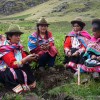
Full Access to Justice Elusive for Women in Latin America
Only a small proportion of women in the region whose rights are undermined achieve full access to justice, says a collective of women’s organisations from eight countries of Latin America.
Guatemala – Regional Leader in Teen Pregnancies
Teenage pregnancies are on the rise in Guatemala, along with the drop-out rate in schools, family breakdown and many other related social ills.
Nepal’s Rural Women Seek Justice
Women in Nepal’s remote rural areas stood shoulder-to-shoulder with their men during the bloody 1996-2006 civil war that overthrew an oppressive monarchy, but many now battle domestic violence at home.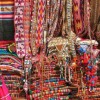
Native Andean Women Weave a Future in Bolivia
Their skill and dexterity in weaving textiles, to be worn on festive occasions or displayed in windows for sale to tourists, have become the mainstay of indigenous women and their families in Cochabamba, Bolivia.
Where Men Now Fear to Tread
No man, except for those raised here as children, lives in Umoja village in Kenya; one has not for two decades. It is a village only of and for women, women who have been abused, raped, and forced from their homes.
Maldivian Women Fight for Rights
Maldivian women, long used to taking a backseat in the Muslim-dominated Indian Ocean country, say they are determined to ensure that they are not deprived of their rights under the new regime of President Mohammed Waheed Hassan.Afghan Women Victims Not Perpetrators of ‘Moral Crimes’
Mursal, a beautiful 19-year-old girl who has run away from home to escape a mentally ill husband, is just one of many Afghan women and girls who are now considered criminals under the country’s laws on ‘morality.’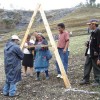
Payments for Environmental Services Skip Rural Women in Mexico
Despite the key role they play in caring for natural resources in the face of climate change, rural women in Mexico do not benefit from payments for environmental services, say activists and experts.
Women Pay for Kashmir’s Water Woes
Naseema Akhtar, 38, worries that her daily treks to collect clean water from the mountain springs around her village of Bonpora, in Kashmir’s Kupwara district, are getting longer. She is already doing more than seven km every day.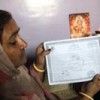
Hindu Girls Targeted in Coerced Conversions
Bharti, a 15-year-old Hindu girl living in the Lyari area in Karachi, left home for her sewing class last December, never to return. Three days later, her father Narain Das was told she had converted to Islam.ARGENTINA: Lack of Information Raises Risk of Cervical Cancer
A novel research study in Argentina explored women's knowledge and beliefs about cervical cancer, in the provinces with the highest mortality from this highly preventable form of cancer, to design more effective policies.
Rights Group Criticises Afghan ‘Moral Crimes’
A new report from Human Rights Watch says hundreds of women and girls in Afghanistan have been imprisoned for 'moral crimes', including running away from home and sex outside marriage.
Women Lead Poverty Reduction in Bangladesh
Kalpana Rani Pal’s pottery business is modest by any yardstick but it is small enterprises like these that are helping reduce poverty levels in Bangladesh.« Previous Page — Next Page »


Women make up half the world's population, but don't nearly share half of the world's wealth, well-being and opportunity. Two-thirds of the world poor are women, disproportionally exposing women to precarious living conditions, disease and unmitigated natural disasters. The media, meanwhile, remains a male-dominated sector in much of the world, contributing to women's voices lacking a crucial amplifier to put their concerns on political agendas and unleash the development potential of their ingenuity. Rather than then stereotypical victims of local and global forces, women are also organizer, innovators, conservators and community builders. These are some of their stories.

The Week with IPS

NEXT STOP - SDGs
Tracking global progress towards a sustainable world
Tracking global progress towards a sustainable world
