Languages
Wednesday, November 11, 2026



News and Views from the Global South
Gender

Exclusive: Mauritius’ First Female President on Why We Need Science Diplomacy to Address Major Challenges
If we want to address the great challenges this world is facing, we have to factor in science into all our narratives, according to Dr. Ameenah Gurib-Fakim, the first woman president of Mauritius and renowned biodiversity scientist.
Women Leading Somalia’s Health System
Somalia is one of the most complex regions of the world, with threats and political instability, extreme weather conditions, movement of internally displaced people (IDPs), decades of conflict, poverty-related deprivation, poor health and communicable diseases that are killing people. There is a constant risk of gender violence making women, children and members of minority groups particularly vulnerable, and more so during displacement or while seeking work. Three decades of civil war and instability have weakened Somalia’s health system and contributed to it having some of the lowest health indicators in the world. The COVID-19 pandemic has added yet another strain on its tremendously fragile infrastructure presenting unexpected challenges and dilemmas.
Where are the Women? How Pandemic Decisions are Ingraining Global Gender Bias
There are teams of experts around the world right now tackling the coronavirus pandemic, providing pathways to put an end to this deadly global scourge and charting the course for recovery.
Reimagining Education with Imagination
The month of May marks mental health awareness month or mental health awareness week in several countries around the world. Many people will be reading posts and blogs about the importance of getting more sunshine and exercise to avoid the blues, about ways to deal with the stress of the pandemic, about dealing with everyday challenges that disrupt our striving for happiness.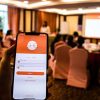
The Illusion of Digital Inclusion in the Post-COVID World
We are living through a decisive moment. The COVID-19 pandemic’s devasting impact is reaching every corner of the world. As we look back at this period, we will see history divided into a pre-COVID and a post-COVID world.
Dr Aqsa Sheikh: Transgender Doctor Injecting Hope During COVID Pandemic
When Dr Aqsa Sheikh Tweeted and asked if she was the only transgender person to head a vaccination centre, it seemed extraordinary that in a country with 1.3 billion people, that this could be true.
How West African Leaders Can Tackle Youth and Gender Inequities
Recently, both Republics of Benin and Chad held their 2021 national elections. These countries are among thirteen countries on the continent billed to elect new political leaders in 2021 alone. This is a good opportunity to improve conditions on the continent. Indeed, the COVID-19 pandemic has magnified other issues on the continent like youth unemployment that better leadership could help improve.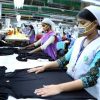
The Garment Industry Needs More Women Leaders
If you enter a garment factory in India, or any part of the world for that matter, you will see that the workforce is starkly female. The Indian textile and garment industry employs 45 million people, out of which more than 60 percent are women. This makes it the biggest formal employer of women in a country where 80 percent of them are not engaged in paid work. While that might paint a rosy picture of women’s empowerment at the first glance, a closer look reveals something different.
UN Women Launches New Programme to Foster Economic Participation in Care Industry
The lockdowns and illnesses brought on by the COVID-19 pandemic have dramatically increased the need to care for children, the elderly and the sick. And in societies where gender inequality and biased norms persist, most of this burden has fallen on women, many of whom have had to leave their regular jobs with no idea of when they can return.
Is Press Freedom Incompatible with Gender Empowerment?
In the contemporary world of journalism, female reporters face a double jeopardy: they are increasingly targeted both as journalists and as women-- particularly in repressive regimes and misogynistic societies.
Online Violence: Weaponization of Deeply Rooted Misogyny, Sexism & Abuse of Power
Every time a woman journalist receives threats of physical and sexual violence, cyber attacks and surveillence, doxxing, public humiliation, damage to her professional & personal credibility, the driving forces behind these intents are deeply rooted misogyny, sexism and abuse of power.
Diversification of Media Content Can Break Gender Stereotypes
 A renowned Pacific gender equality champion and Technical Advisor of Shifting the Power Coalition, Sharon Bhagwan Rolls, believes that gender equality is about men and women working together and this can be achieved by diversifying media content to break gender stereotypes.

Pacific Women Triennial – Flashback
SPC hosted the first triennial conference of Pacific women more than 40 years ago with the purpose to create a space where Pacific women could meet, share their experiences and identify measures for the advancement of women.

Rights Group Calls for Overhaul of Criminal Justice Systems’ Response to Sexual Violence Across South Asia
Gaps in laws, illegal out-of-court settlements, rape survivor intimidation and law enforcement failure to adequately respond to sexual violence reports are hindering women from seeking justice and maintaining impunity for perpetrators of rape in South Asia.
Countering Gender Stereotyping in the News Media
Gender stereotyping in the media has a significant impact on how women and gender minorities are perceived. In turn, it affects their opportunities to fully and effectively participate in public life.
People’s Leader: A Dalit Woman Becomes The Voice of Farmers In India
On 12 January this year, somewhere in the outskirts of the capital, New Delhi, 24 year old Dalit activist Nodeep Kaur was arrested by the Haryana police for protesting outside a factory. During the lockdown in 2020, Nodeep joined a local workers’ rights organization called Mazdoor Adhikar Sangathan (MAS) in the Kundli Industrial Area in Haryana. In January Nodeep was accused of allegedly manhandling management and staff of an industrial area during a protest and also assaulting the police team.
The Invisible Women in Energy: Biomass Producers Who Deserve More Recognition
As the world looks to address issues of gender equity, development and climate change, the importance of increasing the participation of women in the energy sector is gaining attention. To date, this topic has generally been framed around the underrepresentation of women in the energy workforce.
Cost of Being ’Honour Bearers’ Sexual Violence During Communal Riots in India
Delayed, or no, justice and perpetrators’ impunity effectively silence rape and sexual assault survivors of communal violence in India. Activists and human rights lawyers have been speaking out about how rape and sexual violence, especially during communal conflicts, aims to humiliate religious and other minorities by turning the women into symbols of dishonour.
Women and Girls to the Front
Women hold up half the sky. Some years ago, Sarah al-Amiri, a young Emirati engineer, had a fixed gaze beyond the sky and towards our galaxy. “Space was a sector that we never dared to dream growing up,” she noted.
Getting to Better than Normal in a Post-COVID-19 World
Girls in Asia don't want to go back to normal – they want to go "back to better than normal", says Zara Rapoport, a delegate during an online seminar on the impact of the COVID-19 pandemic on gender.
Generation Equality: Women’s Leadership as a Catalyst for Change, Say 49 UN Women Envoys
March, women’s history month, closes with the Generation Equality Forum in Mexico and against the background of significant setbacks on the empowerment of women caused by the COVID-19 pandemic.« Previous Page — Next Page »





Women make up half the world's population, but don't nearly share half of the world's wealth, well-being and opportunity. Two-thirds of the world poor are women, disproportionally exposing women to precarious living conditions, disease and unmitigated natural disasters. The media, meanwhile, remains a male-dominated sector in much of the world, contributing to women's voices lacking a crucial amplifier to put their concerns on political agendas and unleash the development potential of their ingenuity. Rather than then stereotypical victims of local and global forces, women are also organizer, innovators, conservators and community builders. These are some of their stories.

The Week with IPS

NEXT STOP - SDGs
Tracking global progress towards a sustainable world
Tracking global progress towards a sustainable world
