Languages
Saturday, November 21, 2026



News and Views from the Global South
Health
China’s One-Child Policy Faces New Challenges
Graphic online photographs of seven month-pregnant Feng Jianmei lying prostrate on a hospital bed next to a bloody foetus have created outrage in China over the brutal enforcement of the controversial one-child-policy. The husband of the woman whose forced late-term abortion caused uproar worldwide has gone missing, according to his family.
Bringing People “Back to Life” in Uganda’s Slums
As soon as Sanyu Nagia sits down outside Barbara Namirimu’s home, she asks to see her patient’s bag of medicine. It is too heavy for the ill Namirimu to carry, so her mother, Efrance Namakula, brings it out and hands it over.
Biodiesel Brings Cleaner Air
For the past three months, a transport group in the Philippines has been making use of biodiesel processed from used cooking oil for their jeepneys.
‘It Should be Named Planet Ocean, Not Planet Earth’
Oceans, seas and coasts provide over 200 million jobs globally, while 4.3 billion people get 15 percent of their intake of animal protein from the seas. Travel and tourism, ports and energy production use oceans and seas to create jobs and economic and social benefits for millions of people.
Will the World Listen to Women?
What does birth control have to do with reducing global emissions?
In One Haitian Camp, Life Offers Hardship and Little Hope
In the remote, dusty and barren area of northern Port-au-Prince, Cannon Camp houses nearly 6,000 displaced Haitians in tiny and cramped spaces. Nestled among the smattering of tents is the home of a 50-something-year-old mother of 12.
Food Crisis Empties Niger Schools
Since December 2011, the food crisis in Niger has displaced large numbers of people from areas of scarcity to parts of the country that enjoyed better harvests. The social impacts for these internal migrants are serious, not least in terms of disruption of education.
The Resurgence of Polio in Nigeria
Twelve-year-old Sunday Oderinde sits by the side of the road with both legs folded under him and watches his friends play a game of soccer on the streets of Iwaya, a suburb in Lagos, Nigeria. It is a game that he would love to join in but cannot.
Newborn Deaths Expose India’s Low Health Budget
A year after the Indian government began paying pregnant women to deliver their babies in state-run facilities, the pressure is showing on the country’s understaffed and poorly equipped hospitals.
Osama’s Shadow Haunts Doctor
Concerns are mounting over the safety of Dr. Shakil Afridi in Peshawar jail. Afridi is alleged to have given information and DNA evidence to the U.S. authorities that led to identification and then the killing of Osama bin Laden.Finetuning the Fight Against AIDS in Cuba
New attitudes are emerging among Cubans toward the AIDS epidemic, as HIV-positive people who are aware of its causes seek other ways to reduce infection rates in the country.
Blood Flows in Solidarity in Argentina
Voluntary blood donations have risen markedly in the year ending Thursday Jun. 14 in Argentina, which hosted the World Blood Donor Day event for 2011. South Korea takes over for the coming year.Moringa Leaves Saving Lives in DRC
Seated under a tree, biologist Zozo Bazomba welcomes a steady stream of visitors to the Action Nature et Médecine centre in Bumbu commune in the DRC. Suffering from a range of ailments, they have come from across Kinshasa, the capital, in search of sachets of powdered moringa leaves.
Q&A: Women Must Be at the Forefront of Rio+20, and Beyond
Unlocking women's energies and allowing them to become drivers of change could fuel the motor of sustainable development.Pakistanis Blame CIA for Fresh Polio Cases
Pakistan’s efforts to contain polio in areas bordering Afghanistan may have received a setback following the conviction of a doctor who allegedly ran a fake vaccine programme to locate Al-Qaeda chief Osama bin Laden.
Health Warnings Loud and Clear on Cigarettes in Argentina
This month, Argentina will join the growing list of Latin American countries that compel tobacco companies to display health warnings about the dangers of smoking on cigarette packs, illustrated with graphic images.
Will Water Dry Up at Summit on Sustainable Development?
The headline in a New York newspaper last March captured the essence of a future potential threat to political stability the world over: "U.S. Report Sees Tensions Over Water."Chile’s Smog Still Deadly
"We are facing a very alarming situation, and solutions are urgently needed," said Cecilia Sepúlveda, the dean of the University of Chile medical school, after it was announced that 4,200 people a year in this country die from causes directly attributable to smog and other kinds of pollution.
Mexico’s Spiral of Violence Causes Spike in PTSD
Since the forced disappearance of his son Jethro in May 2011, Héctor Sánchez has found an outlet for his grief in activism. So far he has turned down psychological support offered by the Mexican Attorney-General's Office and human rights organisations.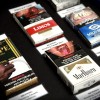
Billions of Brazilian Health Dollars Going Up in Smoke
Brazil spends some 10 billion dollars a year on health care for smokers – more than three times the tax revenue from the tobacco industry in this country, which is the world's top exporter and second producer of tobacco.
Samoan Breadfruit Makes a Splash in the Caribbean
Can a single species of tree significantly reduce hunger, unemployment and deforestation in the tropics? Researchers and scientists behind a surge in breadfruit activity think so.« Previous Page — Next Page »


 Bangladesh: Sarid, born one month early, receives specialized newborn care and grows stronger every day. Credit: UNICEF/UNI944397/Mojumder
Since the onset of the 2000s, global life expectancy has seen an overall rise, attributed to significant technological and scientific innovations in healthcare. Due to an increased understanding of different conditions as well as a rise in cooperation among healthcare experts around the world, there have been major strides made in ensuring that as few people die from chronic illnesses as possible. Despite the belief that healthcare is a fundamental human right, people from low- or middle-class backgrounds, marginalized groups, and underdeveloped countries have far more limited access to basic healthcare services.
The COVID-19 pandemic showed how marginalized communities are disproportionately affected by health crises, proving that we have much work to do in ensuring that no one dies of terminal conditions. While the global response to the coronavirus saw significant strides in immunization and vaccine development, the global outbreak of mpox in 2022 and its upsurge in parts of Africa in 2024 must remind us to remain vigilant.
Other major disease outbreaks in recent years have been linked to the destruction of infrastructure during warfare. Notably, in 2024, the Gaza Strip witnessed a return of the poliovirus since its eradication in the region 25 years ago. Israel’s blockade on Gaza has resulted in the collapse of the region’s sewage plants and desalination plants, and also destroyed healthcare capacities. The UN stated that this lack of clean water and sanitation would lead to an outbreak of cholera and other deadly infectious diseases. The 2026 OCHA Humanitarian Situation Report confirmed that the over two years of conflict in Gaza has produced a catastrophic health emergency, with millions remaining dependent on relief aid amid tight restrictions and no functioning public health system.
IPS is committed to providing full and comprehensive coverage on healthcare challenges around the world. IPS seeks to address the multifaceted causes of such challenges, including unprecedented pandemics, conflict-driven disease outbreaks, as well as socioeconomic barriers to equal healthcare access. IPS is also dedicated to reporting on innovations in the healthcare industry.

The Week with IPS

NEXT STOP - SDGs
Tracking global progress towards a sustainable world
Tracking global progress towards a sustainable world
