
Wednesday, November 18, 2026



News and Views from the Global South
IPS UN: Inside the Glasshouse

Sustainable Settlements to Combat Urban Slums in Africa
Slums are a curse and blessing in fast urbanising Africa. They have challenged Africa's progress towards better living and working spaces but they also provide shelter for the swelling populations seeking a life in cities.Killing of Aid Workers Threatens Humanitarian Response in Yemen
With 21 million Yemeni civilians caught in the grips of a conflict that has been escalating since March, the killing of two local aid workers Wednesday could worsen their misery, as a major humanitarian organisation considers the future of its operations in parts of the war-torn country.
Opinion: Women in the Face of Climate Change
After surviving the storm surge wreaked by Typhoon Haiyan in the Philippines in November 2013, women in evacuation centres found themselves again fighting for survival … at times from rape. Many became victims of human trafficking while many more did anything they could to feed their families before themselves.
Urban Farming Mushrooms in Africa Amid Food Deficits
There is a scramble for unoccupied land in Africa, but this time it is not British, Portuguese, French or other colonialists racing to occupy the continent’s vacant land – it is the continent’s urban dwellers fast turning to urban farming amid the rampant food shortages that have not spared them.
Latin American Scientists Call for More Human Climate Science
With the effects of global warming becoming more and more visible and the complicated socio-economic decisions indispensable to address this planetary crisis, science needs a new breed of experts: social scientists who specialise in climate change.
Impeachment Motion Stirs Political Waters in Somalia
The impeachment motion Somali parliamentarians filed against President Hassan Sheikh Mohamud on Aug. 12 has created a political standoff that might further threaten the country’s stability shortly ahead of planned elections in 2016.
Despite Treaty, Conventional Arms Fuel Ongoing Conflicts
Despite last year’s Arms Trade Treaty (ATT), the proliferation of conventional weapons, both legally and illegally, continues to help fuel military conflicts in several countries in the Middle East and Africa, including Syria, Iraq, Sudan, South Sudan, Somalia, Libya and Yemen.
Strong Words, But Little Action at Arctic Summit
After a one-day summit in the U.S. Arctic’s biggest city, leaders from the world’s northern countries acknowledged that climate change is seriously disrupting the Arctic ecosystem, yet left without committing themselves to serious action to fight the negative impacts of global warming.U.N. Officials Warn of Dengue Outbreak in War-Torn Yemen
An outbreak of dengue fever in Yemen’s most populated governorate has prompted urgent calls from the World Health Organisation (WHO) for a “humanitarian corridor” to facilitate the flow of medicines to over three million civilians trapped in the war-torn area.
Activists Criticise Offshore Drilling as Obama Prepares for Arctic Summit
A one-day summit taking place here on Aug. 31 hopes to bring Arctic nations together in support of climate action against a backdrop of criticism of offshore oil drilling in the region.
Will New Sri Lankan Government Prioritize Resettlement of War-Displaced?
The new Sri Lankan government that was voted in on Aug. 17 certainly didn’t inherit as much baggage as its predecessors did during the nearly 30 years of conflict that gripped this South Asian island nation.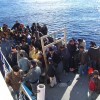
Europe Squabbles While Refugees Die
As tens of thousands of refugees continue to flee conflict-ridden countries, including Afghanistan, Iraq, Libya and Syria, Western European governments and international humanitarian organisations are struggling to cope with a snowballing humanitarian crisis threatening to explode.
Latin America Lagging in ICT Sustainable Development Goal
The Sustainable Development Goals (SDGs) will include targets for information and communication technologies, such as strengthening the Internet. And Latin America will be behind from the start in aspects that are key to increasing its educational and medical uses, bolster security and expand bandwidth.
Disarmament Conference Ends with Ambitious Goal – But How to Get There?
A three-day landmark U.N. Conference on Disarmament Issues has ended here – one day ahead of the International Day Against Nuclear Tests – stressing the need for ushering in a world free of nuclear weapons, but without a consensus on how to move towards that goal.
U.S.-Made Cluster Munitions Causing Civilian Deaths in Yemen
New research released today by a leading human rights watchdog has found evidence of seven attacks involving cluster munitions in Yemen’s northwestern Hajja governorate.
Opinion: A Farewell to Arms that Fuel Atrocities is Within Our Grasp
The recent explosions that apparently destroyed a 2,000-year-old temple in the ancient city of Palmyra in Syria were yet another grim example of how the armed group calling itself the Islamic State (IS) uses conventional weapons to further its agenda.
OPEC Fund Supports UNIDO in Latin America
The OPEC Fund for International Development (OFID) has agreed to give the United Nations Industrial Development Organization (UNIDO) a grant in support of a project aimed at improving the productivity and competitiveness of the shrimp value chain in the Latin America and Caribbean (LAC) region.
Emerging Industrial Power Rises From Aid Beneficiary to Donor Nation
Back in 1996, when South Korea voluntarily quit the 132-member Group of 77 (G77) – described as the largest single coalition of developing nations -- it joined the 34-member Organisation for Economic Cooperation and Development (OECD), long known as the “rich man’s club” based in Paris.
Water, Climate, Energy Intertwined with Fight Against Poverty in Central America
Central America’s toolbox to pull 23 million people – almost half of the population – out of poverty must include three indispensable tools: universal access to water, a sustainable power supply, and adaptation to climate change.
Call for Global Ban on Nuclear Weapons Testing
As the international community gears up to commemorate the 20th anniversary next year of the opening up of the Comprehensive Nuclear-Test-Ban Treaty (CTBT) for signature, a group of eminent persons (GEM) has launched a concerted campaign for entry into force of a global ban on nuclear weapon testing.
Opinion: How Will Wall Street Greet the Pope?
Millions in the New York City area are excited about Pope Francis’ visit on Sep. 25 to address the U.N. General Assembly as worldwide consensus grows on the need to shift global investments from fossil fuels to clean, efficient, renewable energy in the UN’s Sustainable Development Goals (SDGs) scheduled to replace the expiring Millennium Development Goals (MDGs).« Previous Page — Next Page »


It was dubbed "The Glass House" by U.S. ambassador James Wadsworth in 1966. Half a century later, the United Nations has gradually expanded its role as agent of peace and protector of the world's vulnerable populations, while simultaneously facing internal pressures to become more inclusive, increase transparency and maintain legitimacy in the post-Cold War political and economic order. Highlighting the local impacts of global policies on economic development, environment, health and human rights, IPS's coverage goes beyond the edicts of the Security Council to illuminate the power struggles, successes and shortcomings of the 193-member institution as it grapples with crises like climate change, armed conflict, poverty and HIV/AIDS.

The Week with IPS
