Languages
Friday, November 20, 2026



News and Views from the Global South
Asia-Pacific
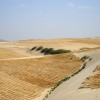
China Battles Desertification
As scientists increasingly label desertification as one of the most burning challenges facing the world today, a small village in China’s semi-arid Northeastern region of Inner Mongolia is fighting back.
Fishermen Caught on a Political Hook
“The number will never come to zero and in a few months you will see as many captive fishermen, maybe even more to fill the prison barracks,” says Mohammad Ali Shah of the Pakistan Fisherfolk Forum (PFF), following the release of more than 300 Indian fishermen from Pakistani jails.New World Bank Chief Backs Defunding Bangladesh Bridge Project
On Monday, his first day in office, new World Bank President Jim Yong Kim said he sees the institution's recent decision to pull out of a massive bridge project in Bangladesh as "appropriate".
Green Bricks Pave Future for Female Workers
At first glance the smart young women in white overcoats, black rubber boots and protective face masks seem out of place in impoverished Bangladesh’s dirtiest industry – brick making.
Back to Kashmir in Hope and Fear
After spending more than 15 years in Pakistan Administered Kashmir, Rafiq Mir (name changed) is keen to come back to his home in the part of Kashmir administered by India.
Going It Alone After the Rio Circus
The works starts now, UN Secretary-General Ban Ki-Moon said at the conclusion of the summit on sustainable development in Rio last week. This was about the only UN statement that civil society groups seem to agree with. It is on the precise task at hand that they differ.New Israeli Deputy PM Undercuts Strategy of Pressure on Obama
By staking out a policy line on Iran reflecting the views of the Israeli national security leadership, Deputy Prime Minister Shaul Mofaz has undercut the Benjamin Netanyahu government's carefully planned strategy to get U.S. President Barack Obama to threaten war against Iran if it doesn't give up its nuclear programme.
Corporations See Green in Biodiversity
The gentle hills on the edge of this remote town are lush with tropical fruit trees that yield fine wines for the Broadchem Corporation and also give the agro company a green label.
Poverty Rises With Wealth in Indonesia
If in the words of Gandhi ''poverty is the worst form of violence,'' then the Indonesian government is accountable to some 120 million citizens who live on less than two dollars a day.U.S. Hawks Aflutter as Clinton Clears China on Iran Oil Sales
The administration of President Barack Obama is waiving tough financial sanctions that would have taken effect Thursday against both China and Singapore because it said the two countries had made "significant reductions" in their crude oil purchases from Iran.
U.S. Aid Policies in Pakistan Resulting in Anti-U.S. Sentiment
Despite President Barack Obama's stated policy of using foreign aid to improve public perception of the United States in Pakistan, two major new reports suggest that U.S. policies are exacerbating an already soured relationship.MONGOLIA: Can New Electoral Law Help Women Enter Parliament?
If all goes as envisioned on Jun. 28, Mongolia's parliament will no longer be a male bastion.
Micro Hydels Power Indonesia’s Green Energy Plans
The nighttime glitter of Indonesia’s cities and urban centres contrasts sharply with darkness of the hinterland where some 90 million people live without the benefit of electricity.
Some Nurses Take Flight, Others Take to the Streets
Nurses in India are up in arms against the deterioration of the nursing profession in the country, including unfair wages and the policies of private hospital managements.
Q&A: Children Killed with Impunity in Syria
Radhika Coomaraswamy has been the United Nations Special Representative for Children and Armed Conflict since April 2006.Maldives Sees Islamist Resurgence
Former Maldivian President Mohamed Nasheed expressed concerns Monday about the state of democracy in his home country, noting the dividing effect of a rising tide of Islamist extremism.China’s One-Child Policy Faces New Challenges
Graphic online photographs of seven month-pregnant Feng Jianmei lying prostrate on a hospital bed next to a bloody foetus have created outrage in China over the brutal enforcement of the controversial one-child-policy. The husband of the woman whose forced late-term abortion caused uproar worldwide has gone missing, according to his family.Asia Sees Red Over ‘Green Economy’
The just-ended United Nations sustainable development summit in Rio de Janeiro has exposed the discomfort that many developing Asian countries have over buzz words like ‘green economy’ and ‘green growth’ in development diplomacy.2012 Shaping Up as Worst Year Ever for Journalists
It's the type of honour roll that journalists would prefer not to be on.Microfinance Gets ‘Divine’ Intervention in India
In a country with a disastrous record for microfinancing, a religious organisation has done well enough to claim this year’s Ashden award for initiatives in providing loans to poor farmers.No Human Rights – in Theory or Practice
Since the adoption of the Universal Declaration of Human Rights on Dec. 10, 1948, in the aftermath of the Second World War, world leaders embarked on a process of ensuring the rights of every individual in the world.« Previous Page — Next Page »


The Week with IPS

NEXT STOP - SDGs
Tracking global progress towards a sustainable world
Tracking global progress towards a sustainable world
