Languages
Wednesday, November 18, 2026



News and Views from the Global South

Thousands of Senegalese Producers Living off Market Gardening
Thousands of farmers are earning a living growing fruit and vegetables in the Niayes, a strip of fertile land running north along Senegal's western coastline from the outskirts of the capital, Dakar. But land speculation threatens the future of this market gardening.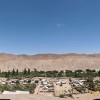
Ruling Against Thermoelectric Plant Sparks Debate
A Chilean Supreme Court decision ordering a halt to the construction of the Castilla thermoelectric power plant has sparked a debate over the country’s energy security.
Angola’s “Free and Fair” Elections Could Be Contested
Question marks hang over the legitimacy of Angola’s general election as Africa’s second-longest serving leader Jose Eduardo dos Santos has won a five-year term in office following his party’s landslide victory.
Small Step to Set Up the Biggest Marine Park
The world’s largest marine park is due to be launched in the Cook Islands located in the Pacific Ocean about 3,000 km from New Zealand. Covering an area of almost a million square kilometres, the park will be three times the size of Australia’s Great Barrier Reef Marine Park and twice as large as the Chagos Archipelago in the Indian Ocean that topped the list of marine protected areas (MPAs) for two years.
Capitalising on Natural Disasters in Guatemala
In a country as vulnerable to natural disasters as Guatemala, a “state of public calamity” is frequently declared – to the joy of contractors, which find a good opportunity to line their pockets.
Cuban Women Face Challenges of Self-Employment
Beatriz Lemes took her time deciding, and finally agreed “apprehensively” to take the job of heading a state-run company that is making the transition to financial autonomy, a system that is spreading throughout Cuba and is testing women’s capacities, among other things.
Debate on Asbestos Safety Reaches Brazil’s Supreme Court
Brazil’s Supreme Court is assessing the level of risk posed by asbestos to human health, while industry defends its use under controlled conditions, and associations of people with asbestos-related diseases argue that it should not be used under any circumstances, even with regulations.A Green Gold Mine in the Heart of the DRC Capital
A disused cemetery in the heart of Kinshasa, the capital of the Democratic Republic of Congo, has been transformed into a profitable urban garden. Relying on compost they make themselves on the site, a small group of gardeners are enjoying plentiful returns.Pacific Nations Women Promised a Better Deal
Leaders of 15 Pacific Island nations have pledged to remove barriers to women’s economic empowerment, end violence against women and pave the way for their increased political representation, at the conclusion of the 43rd Pacific Islands Forum in Rarotonga in the Cook Islands, last week. The meeting was also attended by the Executive Director of UN Women, Michelle Bachelet.
AIDS Spreading Fast Across East Europe
Despite pledges from governments across Eastern Europe and Central Asia to fight HIV/AIDS – one of the eight Millennium Development Goals – the region has the world’s fastest-growing HIV epidemic.
Israel ‘Pillaging’ Palestinian Resources
By mining natural resources from the occupied Palestinian territories for its own economic purposes, Israel is committing the war crime of pillage in the Dead Sea area, according to a report released Monday by Palestinian human rights group Al Haq.
Women Spend 40 Billion Hours Collecting Water
As the weeklong international conference on water concluded Friday, it was left to one of the keynote speakers from the United Nations to focus on a much neglected perspective on water and food security: the role of women.Five Years of Protests in Nicaragua for a Partial Pension
Luisa Gutiérrez, 65, dances a frenzied mambo on an unusual dance floor: a street in the Nicaraguan capital. Dozens of cars line up behind her, honking their horns impatiently, while she, surrounded by elderly people with canes, walkers and protest signs, dances to demand a government pension.
Sweden to Fund Innovations in Water Sector
When the international community was struggling to ward off a potential decline in development aid in early 2000, it came up with a novel idea: a proposal for "new and innovative sources of financing", including a tax on airline tickets and a levy on foreign exchange transactions.
Spain Hit by Epidemic of Despair
Rising rates of depression and suicide are among the most obvious signs of the increase in mental illness resulting from the economic crisis in Spain.Drought Dries Up Balkans Harvests
After two months of waiting, people from the central Serbian town Valjevo followed the call of their bishop and went to local Orthodox Church to pray for rain.Irregular Migrants Face the Boot in Greece
A crackdown on irregular migration has entered its fourth week in Greece. The government is shutting the Greek-Turkish northeastern border across river Evros, and removing massive numbers of undocumented migrants from big urban centres into makeshift detention camps.
Could Water Strife Lead to ‘Mass Killings’ in the Future?
As the world faces possible water scarcities in the next two to three decades, the U.S. intelligence community has already portrayed a grim scenario for the foreseeable future: ethnic conflicts, regional tensions, political instability and even mass killings.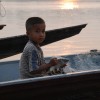
Study Damns Mekong Dams
Impoverished Laos is unlikely to cancel a Thai project to build a mega dam across the Mekong River at Xayaburi, despite warnings from the International Union for Conservation of Nature (IUCN) that it could devastate the region’s rich biodiversity.
Feed Europe, Feed the World
A huge moment for reform of the industrial farming system in Europe has many stakeholders on edge. Farmers who are feeling the crunch of rising input costs – from fertilisers to fuel – believe they can benefit greatly from a transition to more traditional and sustainable farming methods.
Small Arms Trade Bigger Than Ever, Report Says
The goal of curbing small arms proliferation appears more elusive than ever, according to a report released this morning by the independent research project Small Arms Survey.« Previous Page — Next Page »


Due to significant overlap in the themes and stories of interest to subscribers of both our European and UN newsletters, we have decided to consolidate both under the flag of IPS' popular daily TerravivaUN newsletter. Existing subscribers to the TerravivaEurope newsletter will continue to receive a daily selection of stories through the IPS TerravivaUN list and readers interested in global policy and development news from the EU, the UN and beyond are encouraged to subscribe below.

The Week with IPS

NEXT STOP - SDGs
Tracking global progress towards a sustainable world
Tracking global progress towards a sustainable world
